
Duct Repair
Leaking ductwork wastes the air you’re paying to cool. We find the leaks, seal them properly, and restore the airflow your system was designed to deliver.
What Service Is
The Problem You Can’t See
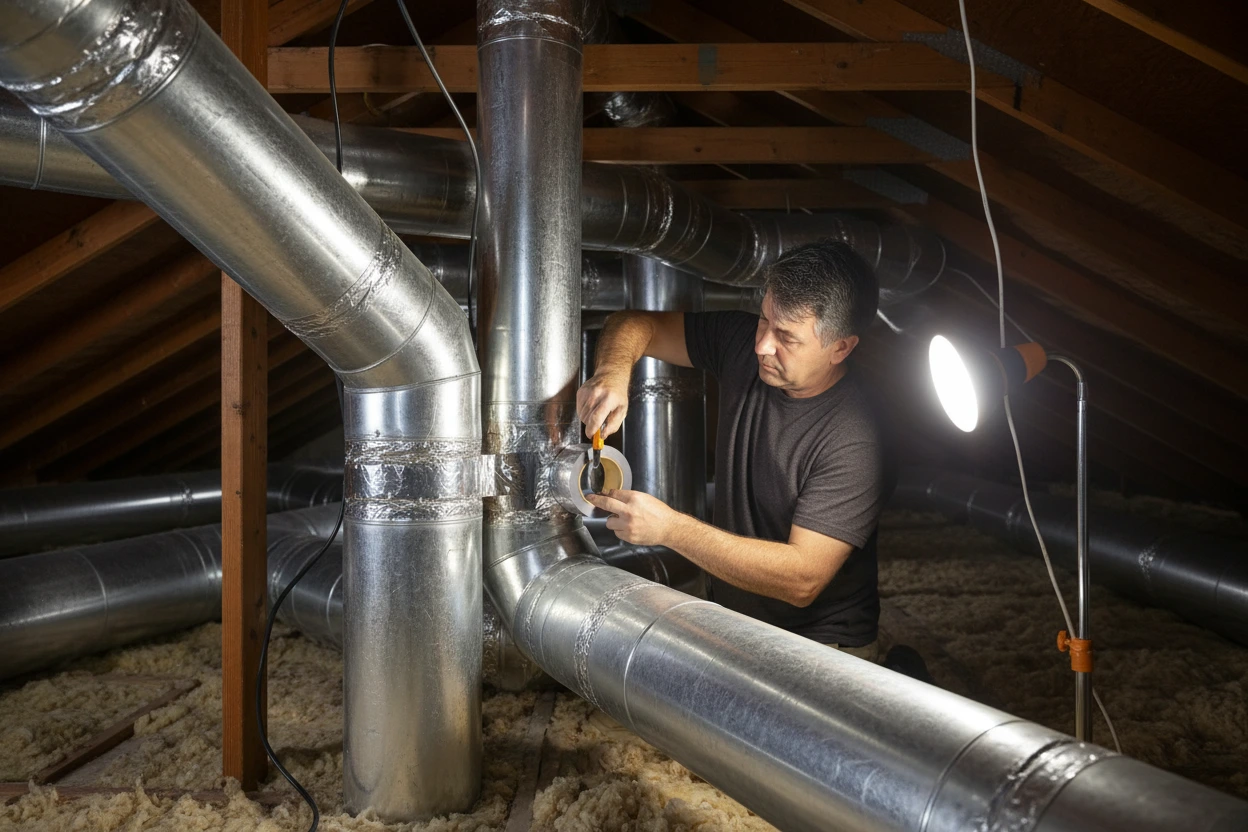
Your ductwork runs through attics and crawlspaces where nobody looks. Connections separate over time, insulation degrades, flexible duct sags or gets crushed — and cooled air escapes into spaces that don’t need cooling.
In a Florida attic that reaches 130 degrees, a leaking return also pulls superheated air straight into your system. You end up with rooms that never cool, a compressor running constantly, and a power bill that keeps climbing while the AC itself tests perfectly fine.
Common Problems We Fix
Signs Your Ductwork Needs Attention
Some Rooms Never Cool
If one end of the house stays warm no matter where you set the thermostat, the air often isn’t reaching it — a disconnected run, a crushed duct, or a leak upstream.
High Bills With No Explanation
Leaky ducts can waste a significant share of the air your system produces. You pay to cool the attic, and the system runs longer trying to make up the difference.
Weak Airflow at the Vents
Hold your hand to a supply register. If the push feels weak compared to other rooms, the duct serving it is likely restricted, collapsed, or leaking.
Excess Dust in the House
Gaps in the return side pull attic dust and insulation fibers into the airstream, then distribute them through every room in the house.
Humidity That Won’t Drop
Leaking returns draw in humid attic air the system then has to dehumidify. The house feels sticky even when the temperature reads correctly.
Visible Damage or Sagging Duct
Torn insulation, disconnected joints, or flexible duct drooping between supports are all straightforward to spot once someone actually goes up and looks.
Our Process
How We Repair Ductwork
Full Duct Inspection
We go into the attic or crawlspace and trace the system — joints, supports, insulation, and the return side, which is where the costliest leaks usually hide.
Find the Actual Leaks
We check airflow at the registers and identify where pressure is being lost, so the repair targets the real problem rather than the most visible one.
Repair or Replace the Run
Sound duct gets resealed and re-supported. Sections that are crushed, torn, or badly deteriorated get replaced — patching those is a temporary fix at best.
Seal and Insulate Properly
Joints are sealed with materials rated for the job, not duct tape, which dries out and fails in attic heat. Insulation is restored so the air arrives cold.
Verify the Difference
We recheck airflow at the problem registers before leaving, so you can feel the change rather than take our word for it.
Why Choose Us
Why Carr for Duct Repair
Duct problems get misdiagnosed constantly — people replace a working AC because a room won’t cool. We inspect the ductwork before recommending anything expensive.
Attic temperatures destroy shortcut materials. We use proper sealing products and re-support the runs so the repair lasts rather than reopening next summer.
Sealing leaks means the air you paid to cool actually reaches your rooms. Most homeowners notice both the temperature evening out and the runtime dropping.
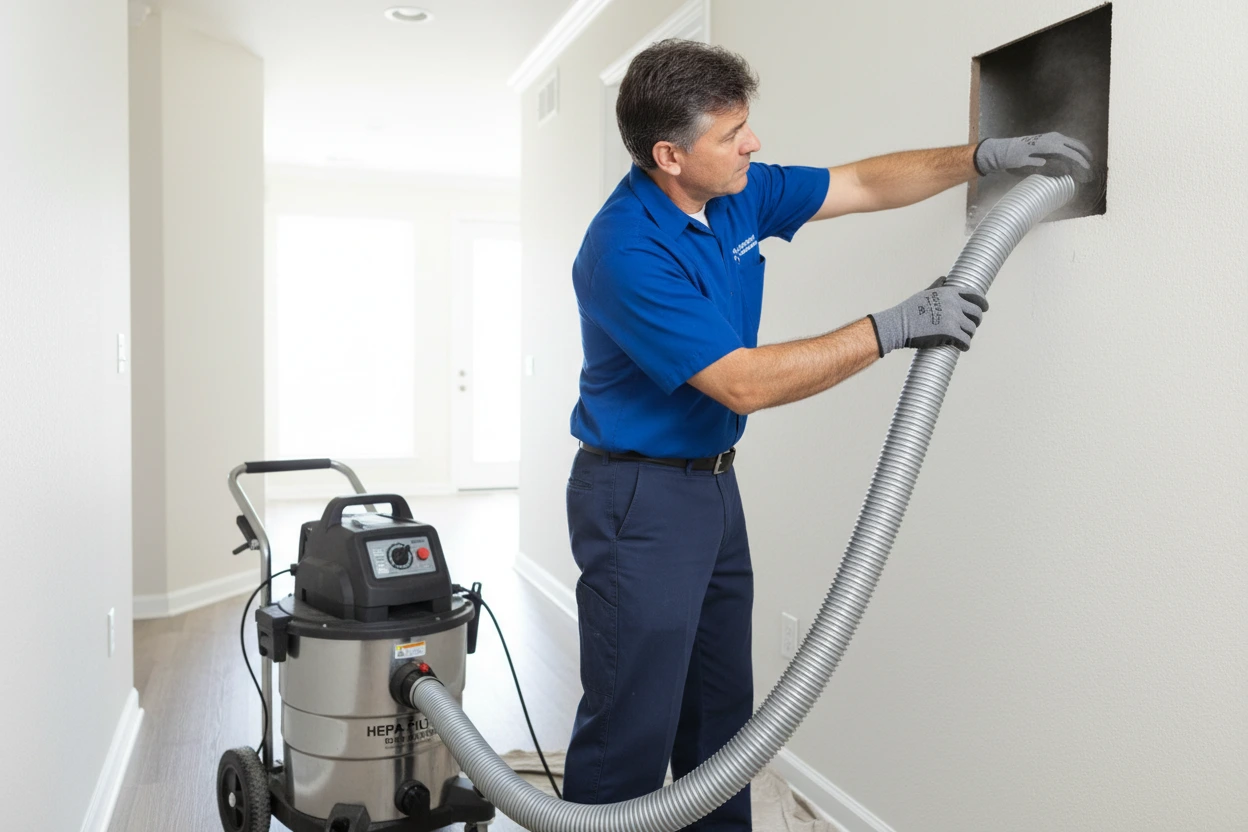
Attic work has a way of tracking insulation through a house. We use protective coverings and clean up thoroughly before we leave.

Heat, humidity, and coastal conditions age ductwork faster here than almost anywhere. We’ve been working in Pinellas County attics since 1989.
Frequently Asked Questions
Duct Repair Questions We Hear Often
The usual signs are rooms that won’t cool evenly, weak airflow at certain vents, unusually high energy bills, and excess dust. Any of those with an AC that otherwise tests fine points at the ductwork. A visual inspection of the attic runs usually confirms it quickly.
It depends on the condition and age. Isolated leaks in otherwise sound duct are worth sealing. If the system is old, undersized, or deteriorated across multiple runs, replacement usually costs less over time than repeated repairs. We’ll show you what we find and lay out both options.
No — despite the name. Standard duct tape dries out and loses adhesion in attic heat, often within a season or two. Proper duct sealing uses mastic or foil tape rated for the temperatures involved, which is what makes the repair last.
Usually, yes. Air escaping into an attic is air you paid to cool and never received. Sealing the leaks means your system reaches the set temperature faster and runs less, which shows up on the bill and reduces wear on the equipment.
Ready to Restore Your Comfort?
Whether you need a quick repair, routine maintenance, or a new HVAC system, our experienced team is here to help. Schedule your service today.