HVAC Repair Archives - Carr Air Conditioning HVAC Repair Archives - Carr Air Conditioning

Category: HVAC Repair

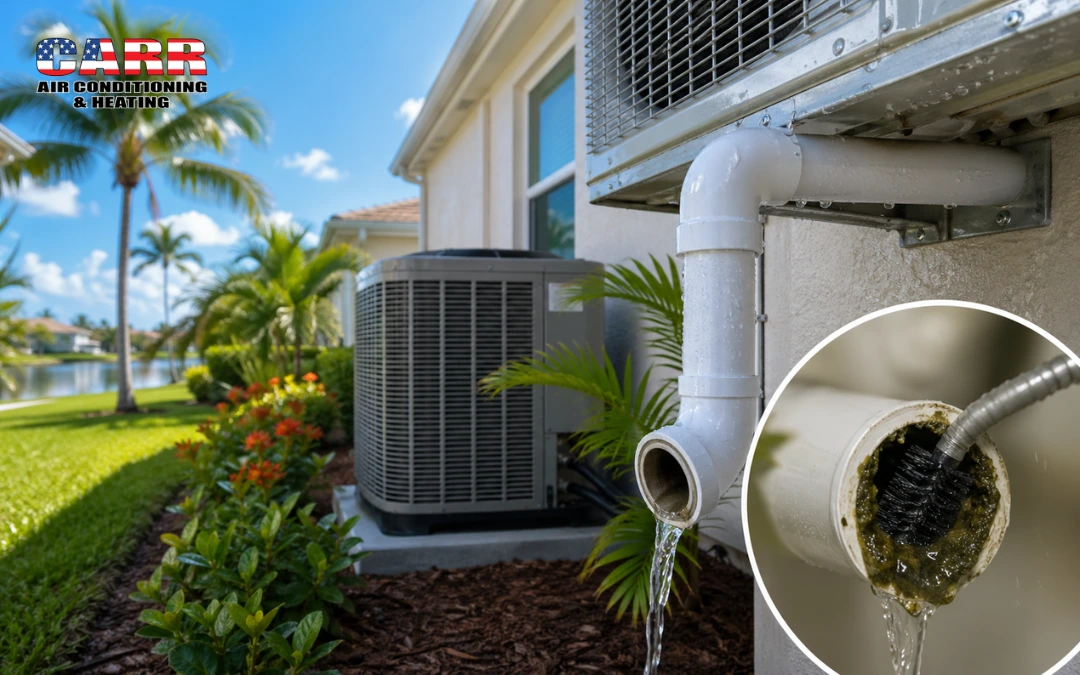
  • How to Prevent AC Drain Line Clogs in Florida Homes

    How to Prevent AC Drain Line Clogs in Florida Homes

    For homeowners in Clearwater, Dunedin, and throughout Pinellas County, AC drain line clogs are one of the most common — and frustrating — HVAC issues that show up once the weather starts warming up.

    What makes this issue even more frustrating is that it often appears without warning — right when you need your AC the most. Most people don’t think about their drain line until something goes wrong. By the time water backs up, the system shuts off, or a musty smell appears, the clog has already formed.

    Drain line clogs don’t happen randomly. They build up over time, and in Florida’s climate, they’re almost guaranteed without some level of prevention. That’s why learning how to prevent AC drain line clogs is essential to keeping your system running smoothly.

    Why AC Drain Line Clogs Keep Coming Back

    One of the biggest frustrations homeowners face is dealing with the same issue more than once. The drain line gets cleared, everything seems fine, and then a few months later the problem returns.

    That happens because the conditions inside the drain line never really change. Your AC system constantly pulls moisture out of the air — especially in humid areas like Pinellas County. That moisture creates a damp environment inside the line, which naturally allows buildup to form again.

    Even after a clog is removed, the same process starts all over unless something is done to prevent it.

    What’s Actually Building Up Inside the Line

    Drain lines don’t clog overnight. The buildup happens gradually as your system runs day after day.

    As air moves through your system, small particles like dust and debris come with it. When that mixes with moisture, it creates residue that sticks to the inside of the line. Over time, that buildup thickens and begins to restrict water flow.

    In many cases, this buildup eventually leads to a full AC drain line clog, especially in systems that run frequently in Florida’s climate.

    Why Spring Is When Problems Start Showing Up

    Many homeowners first notice drain line issues in spring — and there’s a reason for that.

    As temperatures rise, your AC begins running more consistently. That means it’s pulling more humidity out of the air, increasing the amount of water moving through the drain line. If there’s already buildup inside, that extra moisture can push it to the point of blockage.

    This is why systems that seemed fine during winter suddenly develop issues as cooling season begins.

    Why Prevention Matters More Than Fixing the Problem

    Once a drain line clogs, it usually leads to disruption. In many cases, the system shuts down to prevent water damage — leaving you without cooling when you need it most.

    Fixing the clog solves the immediate problem, but it doesn’t stop it from happening again. Prevention is what keeps the system running consistently, especially during the months when you rely on it the most.

    What Homeowners Can Do to Reduce the Risk

    There are a few simple things homeowners can do to lower the chances of AC drain line clogs forming.

    1. Keep your air filter clean. Dirty filters allow more debris into the system, which contributes to buildup inside the drain line.

    2. Make sure vents aren’t blocked. Proper airflow reduces strain on the system and helps moisture drain correctly.

    3. Watch for early warning signs. Musty smells, water near the air handler, or increased humidity can indicate early blockage.

    Even well-maintained systems in Florida can still develop drain line issues over time. The environment alone makes it difficult to avoid completely without a more consistent preventative approach.

    Why Professional Maintenance Makes a Difference

    Routine HVAC maintenance is one of the most reliable ways to stay ahead of AC drain line clogs and prevent buildup before it leads to system issues.

    During a service visit, a technician can inspect the line, clear early buildup, and ensure water is draining properly. Catching these issues early is much easier than dealing with a full blockage later.

    For homeowners in Clearwater and Dunedin, this is especially important because of how often systems run throughout the year.

    Taking a Long-Term Approach to Prevention

    Because drain line clogs are tied to moisture and usage, preventing them long-term requires consistency.

    Instead of waiting for problems to show up, many homeowners benefit from solutions that help keep the line clear over time while working alongside regular maintenance. This reduces the chance of repeat issues and helps the system operate more reliably.

    Why This Matters for Your HVAC System

    A clogged drain line might seem like a small issue, but it can have a bigger impact than most people realize.

    When drainage is restricted, your system can’t remove moisture properly. That affects comfort, performance, and can trigger safety switches that shut the system down.

    Keeping the drain line clear helps your entire HVAC system work the way it’s supposed to.

    FAQs

    Q1: What causes AC drain line clogs in Florida homes?
    Ans: Florida’s humidity creates the perfect environment for algae, mold, dust, and debris to build up inside the drain line.

    Q2: How can I prevent AC drain line clogs?
    Ans: Regular HVAC maintenance, clean filters, and early detection help prevent buildup and keep the line clear.

    Q3: What are the signs of a clogged AC drain line?
    Ans: Water near the unit, musty odors, increased humidity, and unexpected system shutdowns.

    Q4: How often should AC drain lines be cleaned?
    Ans: At least once a year — ideally before spring cooling season.

    The Bottom Line

    In Florida homes, AC drain line clogs are extremely common — but they’re also highly preventable.

    The key is understanding that buildup happens over time and taking steps early to reduce the chances of it becoming a problem. Waiting until the system shuts down often means dealing with an issue that could have been avoided.

    For homeowners in Clearwater, Dunedin, and across Pinellas County, staying ahead of drain line issues is one of the simplest ways to keep your HVAC system running smoothly through the hottest months of the year.

    If you want to prevent recurring drain line issues and avoid unexpected shutdowns, the team at Carr Air Conditioning can help you maintain your system and prevent costly HVAC problems before they start.

    For additional information on moisture and HVAC performance, visit the U.S. Environmental Protection Agency: https://www.epa.gov/mold
  • Why HVAC Drain Lines Clog in Florida (and How to Prevent It)

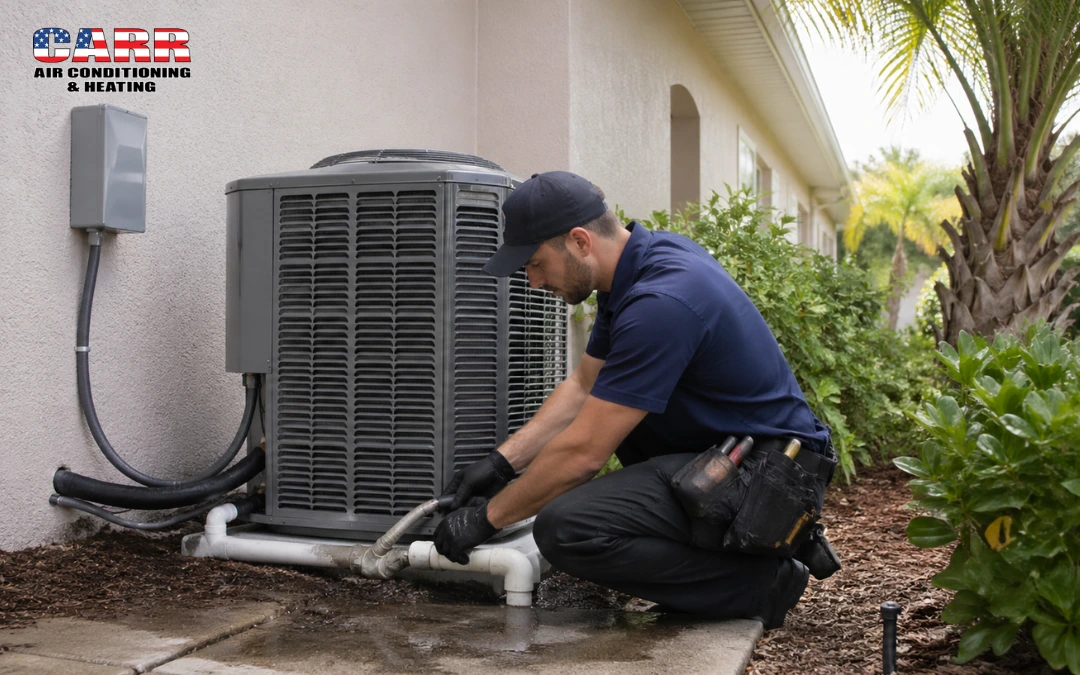
    Why HVAC Drain Lines Clog in Florida (and How to Prevent It)

    As temperatures and humidity start rising across Clearwater, Dunedin, and throughout Pinellas County, your air conditioning system begins working harder to keep your home cool and comfortable. During this time, problems like an HVAC drain lines clog in Florida can begin forming due to constant moisture buildup inside the system.

    What many homeowners don’t realize is that along with cooling the air, your HVAC system is also removing large amounts of moisture from it. That moisture has to go somewhere — and it exits your system through the condensate drain line.

    When that drain line becomes clogged, it can quickly turn into one of the most common and frustrating HVAC issues Florida homeowners face.

    What an HVAC Drain Line Actually Does

    Every time your AC runs, it pulls humidity out of the air. That moisture condenses into water and drains away through a small pipe connected to your system.

    In Florida’s humid climate, this process happens constantly during spring and summer. Over time, that warm, damp environment inside the drain line creates the perfect conditions for buildup.

    Without regular maintenance, the line can become partially or fully blocked.

    Why HVAC Drain Line Clogs Happen So Easily in Florida

    Drain line clogs are especially common in Pinellas County because of the combination of heat, humidity, and frequent AC use.

    Inside the line, you can get buildup from:

    • Algae and organic growth
    • Dust and debris from the air
    • Sludge formed from moisture and contaminants

    Because the system is removing moisture daily, the drain line stays damp — which allows this buildup to grow over time.

    Early Signs Your Drain Line May Be Clogging

    Most drain line problems don’t happen all at once. They usually start small and gradually get worse.

    Homeowners in Clearwater and Dunedin may notice:

    • Water pooling near the indoor unit
    • A musty or damp smell around vents or equipment
    • The AC shutting off unexpectedly
    • Higher humidity levels inside the home

    Many modern systems have safety switches that shut the unit down when a clog is detected to prevent water damage.

    What Happens When the Line Gets Fully Blocked

    When a drain line becomes completely clogged, the water your system removes has nowhere to go.

    This can lead to:

    • Water backing up into the system
    • Overflow into the drain pan
    • System shutdowns
    • Potential water damage around the unit

    In some cases, homeowners don’t notice the issue until visible damage appears, which can turn a small maintenance problem into a larger repair.

    Why This Becomes a Bigger Problem in Spring

    Spring is when drain line issues really start to show up.

    As temperatures rise, your AC runs more often and removes more humidity from the air. That increased moisture flow pushes existing buildup through the system, which can cause partial clogs to turn into full blockages.

    This is why many homeowners first experience drain line problems right as cooling season begins.

    How to Prevent Drain Line Clogs

    The good news is that drain line clogs are one of the most preventable HVAC issues.

    Scheduling routine HVAC maintenance helps keep the drain line clear, reduce buildup, and prevent unexpected system breakdowns during peak season. During a routine service, the drain line can be inspected, cleared, and treated to reduce buildup.

    Homeowners can also help by staying aware of early warning signs and addressing them before they escalate.

    In Florida homes, prevention is far more effective than waiting for a clog to form.

    Why DIY Fixes Don’t Always Solve the Problem

    Some homeowners try to clear clogs themselves using simple methods like flushing the line. While that can help in minor cases, it doesn’t always address the full problem.

    Buildup inside the line can be stubborn, and without proper cleaning, the clog often returns. In some cases, improper clearing attempts can push debris deeper into the system.

    Professional service ensures the line is fully cleared and functioning properly.

    Protecting Your System From Repeat Issues

    Once a drain line clogs, it’s more likely to happen again if the underlying cause isn’t addressed.

    Routine inspections, proper cleaning, and system adjustments help reduce long-term risk. For homeowners in Pinellas County, this is especially important due to the consistent humidity levels throughout much of the year.

    Taking care of the drain line isn’t just about avoiding water problems — it also helps your system operate more efficiently overall.

    FAQs

    Q1: What causes HVAC drain line clogs in Florida?
    Ans: In Florida’s humid climate, constant moisture inside the drain line creates the perfect environment for algae, dust, and sludge buildup, which can eventually block the line.

    Q2: How can I tell if my AC drain line is clogged?
    Ans: Common signs include water pooling near the unit, musty odors, higher indoor humidity, or your AC system shutting off unexpectedly due to safety switches.

    Q3: How often should HVAC drain lines be cleaned?
    Ans: It’s recommended to have your drain line inspected and cleaned at least once a year, ideally during spring HVAC maintenance before peak cooling season begins.

    The Bottom Line

    HVAC drain line clogs are one of the most common issues Florida homeowners face, especially as spring transitions into summer. Because your system removes moisture constantly, even small amounts of buildup can lead to larger problems if left unchecked.

    Understanding how the drain line works — and why it clogs — helps homeowners stay ahead of the issue and avoid unnecessary disruption.

    If you’re noticing early signs of a clog or want to prevent future HVAC issues, getting your system inspected early can save time and costly repairs. The experts at Carr Air Conditioning can help ensure your system stays clean, efficient, and ready to handle Florida’s demanding climate.