Chris Wooten, Author at Carr Air Conditioning - Page 2 of 2 Chris Wooten, Author at Carr Air Conditioning - Page 2 of 2

Author: Chris Wooten

  • Why Spring HVAC Maintenance Is So Important for Florida Homeowners

    Why Spring HVAC Maintenance Is So Important for Florida Homeowners

    As temperatures begin to rise across Clearwater, Dunedin, and throughout Pinellas County, most homeowners start thinking about turning their air conditioning back on full-time. During this time, spring HVAC maintenance in Clearwater FL becomes essential, as your system prepares for its busiest season. After a quieter winter period, your HVAC system is about to enter months of continuous demand.

    What many homeowners don’t realize is that spring is the most important time to service your system, not summer.

    By the time summer arrives, your HVAC system is already under heavy demand. Spring is the window where small issues can be addressed early, before they turn into breakdowns, inefficiencies, or expensive repairs.

    Why Florida HVAC Systems Work Harder Than Most

    In Florida, air conditioning systems don’t get a long break. Even during winter, systems cycle on and off regularly. Once spring arrives, usage increases quickly and stays high for months.

    Because of this, HVAC systems in Pinellas County experience:

    • Extended run times throughout the year
    • Higher overall wear compared to other climates
    • Greater sensitivity to airflow and maintenance issues

    Without regular maintenance, even small inefficiencies can compound quickly once temperatures climb.

    What Happens When Maintenance Gets Skipped

    Skipping spring HVAC maintenance often doesn’t cause immediate problems — which is why it’s easy to put off. However, the impact usually shows up later, when the system is working at full capacity.

    Homeowners who skip maintenance commonly experience:

    • Reduced cooling efficiency
    • Higher energy bills as temperatures rise
    • Uneven cooling throughout the home
    • Increased likelihood of mid-summer breakdowns

    By the time these issues appear, repairs are often more urgent and more disruptive.

    Spring Is When Small Issues Are Easiest to Fix

    During spring, your system isn’t yet under extreme stress. This makes it the ideal time to identify and correct minor issues before they become larger problems.

    Things like restricted airflow, worn components, or drainage issues are much easier to address early. Once summer heat sets in, those same issues can cause system strain, reduced performance, or complete failure.

    For homeowners in Clearwater and Dunedin, this early window is one of the biggest advantages of spring maintenance.

    Airflow and Efficiency Start With Proper Maintenance

    One of the most overlooked factors in HVAC performance is airflow. Even if your system is technically running, poor airflow can prevent it from cooling your home effectively, which is often one of the reasons homeowners notice their system struggling to blow cold air during the summer.

    Spring maintenance helps ensure:

    • Air filters are clean and unrestricted
    • Duct airflow is balanced properly
    • System components are operating efficiently

    When airflow is optimized, your system doesn’t have to work as hard to maintain comfort, which directly impacts both performance and energy usage.

    Why Energy Bills Often Increase Without Maintenance

    As temperatures rise in Pinellas County, homeowners often notice their energy bills climbing. While some increase is expected, poorly maintained systems tend to use significantly more energy than necessary.

    When components aren’t operating efficiently, the system must run longer to achieve the same result. Over time, this leads to higher costs and increased wear.

    Spring maintenance helps ensure your system is operating at peak efficiency before the hottest months arrive.

    Drain Line Issues Start Showing Up in Spring

    As humidity increases, your HVAC system begins removing more moisture from the air. That moisture drains through the system’s condensate line.

    If that line becomes partially blocked, it can lead to:

    • Water buildup
    • System shutdowns
    • Potential damage to surrounding areas

    Spring is when these issues begin to develop, making it the right time to inspect and clear drainage components before they cause problems.

    (This also sets up your next blog perfectly on drain line clogs.)

    Why Waiting Until Summer Creates More Problems

    When homeowners wait until summer to service their HVAC system, they’re often reacting to a problem instead of preventing one.

    At that point:

    • Systems are already under heavy demand
    • Scheduling becomes more limited
    • Small issues may have already escalated

    Spring gives homeowners the opportunity to stay ahead of these challenges rather than dealing with them during peak season.

    Protecting Your HVAC Investment

    Your HVAC system is one of the most important and expensive components of your home. Like any major system, it performs best when it’s maintained regularly.

    Routine spring maintenance helps:

    • Extend the lifespan of the system
    • Maintain consistent indoor comfort
    • Reduce the likelihood of unexpected repairs
    • Keep the system operating efficiently year-round

    For homeowners in Clearwater, Dunedin, and across Pinellas County, this is one of the simplest
    ways to protect that investment.

    FAQs

    Q1: How often should HVAC systems be serviced in Florida?
    Ans: At least once a year, ideally in spring before peak usage.

    Q2: What happens if I skip HVAC maintenance?
    Ans: You may face higher energy bills, reduced efficiency, and unexpected breakdowns.

    Q3: Is spring the best time for AC maintenance in Clearwater FL?
    Ans: Yes, spring allows you to fix issues early before summer demand increases.


    The Bottom Line

    Spring HVAC maintenance isn’t about fixing something that’s broken — it’s about making sure it doesn’t break when you need it most.As temperatures begin to climb, having your system inspected and serviced early helps ensure reliable performance, better efficiency, and fewer surprises during the hottest months of the year.

    For Florida homeowners, this small step can make a significant difference in comfort and long-term system health.

    If you’re in Clearwater, Dunedin, or nearby areas, scheduling HVAC maintenance in Clearwater FL now can help you avoid costly repairs later. Contact Carr Air Conditioning today to keep your system running efficiently all season long.
  • Why Winter Is the Best Time to Schedule HVAC Maintenance in Florida

    Why Winter Is the Best Time to Schedule HVAC Maintenance in Florida

    When most homeowners in Clearwater, Dunedin, and across Pinellas County think about HVAC service, summer usually comes to mind. After all, that’s when air conditioners work the hardest.

    What many homeowners don’t realize is that winter is actually the best time to take care of your HVAC system — especially in Florida.

    Cooler weather creates an ideal window to identify issues, improve efficiency, and prepare your system before demand spikes again.

    Understanding the importance of winter HVAC maintenance in Florida can help homeowners avoid unexpected breakdowns and keep their systems running efficiently when temperatures rise again.

    Why HVAC Maintenance Gets Overlooked in Florida Winters

    Florida winters are mild compared to most of the country. Because heating systems don’t run constantly, it’s easy for homeowners to assume maintenance isn’t urgent this time of year.

    The problem is that light use doesn’t mean no wear. Systems that sit idle for long periods can develop airflow issues, electrical problems, or component wear that only becomes obvious when temperatures start to fluctuate.

    Winter is when those early warning signs begin to show.

    What Winter Reveals About Your HVAC System

    Cold mornings often highlight issues that stay hidden during long cooling seasons. Homeowners may notice uneven temperatures, longer system run times, or unfamiliar noises.

    These signals often point to:

    • Airflow imbalances
    • Thermostat or control issues
    • Duct leakage
    • Components that are beginning to wear down

    Catching these problems early is far easier and far less expensive than waiting for a full system failure during summer.

    Why Scheduling Service Is Easier in Winter

    One of the biggest benefits of winter HVAC maintenance is availability.

    During peak cooling season, homeowners often face:

    • Longer wait times
    • Limited scheduling options
    • Urgent, reactive repairs instead of preventative care

    In winter, technicians can spend more time evaluating system performance, addressing small issues, and making precise adjustments rather than responding to emergencies.

    How Winter Maintenance Protects Summer Comfort

    Florida HVAC systems work hardest during late spring and summer. Any unresolved issues from winter can escalate quickly once temperatures rise.

    Routine winter maintenance helps:

    • Reduce the risk of breakdowns during heat waves
    • Improve cooling efficiency before summer starts
    • Extend overall system lifespan
    • Keep energy costs more predictable

    Think of winter service as preparing your system for the busiest time of the year.

    Heat Pumps and Florida Winters

    Many homes in Pinellas County rely on heat pumps, which handle both heating and cooling. Winter operation gives technicians valuable insight into how these systems are performing across both modes.

    Evaluating heat pump operation now helps ensure seamless transitions when cooling demand returns. Small adjustments made in winter often translate into noticeably better performance in summer.

    Airflow and Comfort Improvements Start Now

    Winter maintenance isn’t just about heating. It’s also the best time to evaluate airflow and duct performance.

    Uneven heating in winter often mirrors uneven cooling in summer. Addressing airflow restrictions, duct leaks, or balance issues now can dramatically improve comfort once temperatures climb again.

    For many homeowners, this is one of the most valuable outcomes of winter service.

    Why Waiting Until Summer Usually Costs More

    When homeowners delay HVAC service until summer, issues that could have been corrected early often turn into urgent problems.
    Delaying maintenance can also contribute to problems like an AC drain line clogged issue, which often develops gradually and becomes noticeable during heavy system use.

    Summer repairs tend to:

    • Be more disruptive
    • Require faster decisions
    • Limit available options
    • Cost more due to emergency conditions

    Winter maintenance allows homeowners to stay ahead instead of reacting under pressure.

    What a Winter HVAC Tune-Up Typically Covers

    A professional winter inspection focuses on overall system health rather than emergency repair.

    This often includes evaluating system components, airflow, thermostat controls, and overall performance. The goal is to ensure everything is operating efficiently and reliably before demand increases.

    A Smarter Way to Care for Your HVAC System

    Homeowners who schedule HVAC maintenance in winter tend to experience fewer surprises when summer arrives. Their systems run more efficiently, comfort is more consistent, and stress is significantly reduced.

    In Florida’s climate, winter offers a rare opportunity to be proactive instead of reactive.

    FAQs

    Q1: Why is winter a good time for HVAC maintenance in Florida?
    Winter is a low-demand season, making it easier to identify issues early and prepare your system before peak cooling months.

    Q2: Does HVAC maintenance matter if I don’t use heating often?
    Yes, even with limited use, systems can still develop wear, airflow issues, and hidden faults that become worse over time.

    Q3: What are the benefits of winter HVAC maintenance?
    It improves system efficiency, reduces breakdown risks, and helps extend equipment lifespan.

    Q4: Can delaying HVAC maintenance increase repair costs?
    Yes, small issues often turn into major repairs when left unchecked until peak season.

    Final Thoughts

    Winter may feel quiet for HVAC systems, but it’s one of the most valuable times to give them attention. Addressing small issues now helps protect comfort, efficiency, and reliability throughout the year.

    For homeowners in Clearwater, Dunedin, and across Pinellas County, winter HVAC maintenance is less about reacting to cold weather — and more about preparing for what’s next.

    If you want to stay ahead of costly repairs and keep your system running efficiently year-round, it’s best to schedule service early. The team at Carr Air Conditioning can help ensure your HVAC system is fully prepared before demand increases again.

  • Why Your Florida Home Feels Cold Even When the Heat Is On

    Why Your Florida Home Feels Cold Even When the Heat Is On

    It’s a common call we get during cooler weather in Clearwater, Dunedin, and across Pinellas County:
    “The heat is running, but the house still feels cold.”

    When that happens, most homeowners assume the heating system isn’t working properly — and it can quickly become frustrating. In reality, the issue is often not the heater itself.

    Florida homes are designed very differently than homes in colder climates, and winter conditions tend to expose problems that stay hidden the rest of the year.

    Understanding why your house feels cold in Florida can help identify underlying airflow, insulation, or system issues that are often overlooked.


    Why This Happens So Often in Florida Homes

    Most homes in Pinellas County are built with cooling as the top priority. Open layouts, lighter insulation, and duct systems designed for air conditioning work great in summer, but they can create comfort challenges in winter.

    When temperatures drop, those design choices can make it harder to keep warm air evenly distributed throughout the home. As a result, some rooms feel chilly even though the system is running and the thermostat looks right.


    The Thermostat Says It’s Warm — So Why Doesn’t It Feel That Way?

    Your thermostat system measures temperature in a single location, not throughout your entire home. If it’s placed in a warmer area, it may shut the system off even though other rooms never reached a comfortable temperature.

    Older thermostats can also be inaccurate or slow to respond, which only adds to the confusion. Homeowners may keep adjusting the setting without realizing the thermostat isn’t reading conditions correctly.


    Uneven Heating Is Usually an Airflow Issue

    One of the most common reasons a Florida home feels cold even when the heat is on is poor airflow throughout the system.

    Warm air may be leaving the system, but it isn’t always reaching every room evenly. This can happen when ducts are undersized, poorly routed, or leaking air before it reaches the living space. In winter, these problems become much more noticeable.

    You might feel comfortable in living areas while bedrooms or back rooms stay noticeably colder.


    Ductwork Problems That Reduce Winter Comfort

    Duct issues are extremely common in homes throughout Clearwater and Dunedin, especially in older properties or homes that have been renovated over time.

    Common duct-related issues include:

    • Leaks that allow warm air to escape
    • Ducts running through unconditioned spaces
    • Poorly balanced systems that favor some rooms over others

    Even small duct leaks can make a big difference in winter comfort, because the system is already working with milder heat output.


    Heat Pumps Can Be Working Correctly — and Still Feel “Cool”

    Many Florida homes use heat pumps, which heat spaces differently than traditional furnaces. Instead of producing bursts of hot air, heat pumps provide a steady, moderate warmth.

    That air may feel cooler when it reaches vents, even though it’s warming the home. This often leads homeowners to think the system isn’t working, when in fact it’s operating normally.

    The key difference is that furnaces create hot air quickly, while heat pumps focus on maintaining steady comfort over time.


    Closed Vents and Blocked Returns Matter More in Winter

    During summer, blocked vents or closed doors might not cause noticeable problems. In winter, airflow restrictions can dramatically reduce comfort.

    Closed supply vents, blocked return vents, or furniture placed over registers prevent warm air from circulating properly. In Florida homes with open layouts, these small changes can have an outsized impact when heating demand increases.


    Insulation Plays a Bigger Role Than Most People Realize

    Because Florida homes don’t rely heavily on heating, insulation often gets overlooked. However, poor attic insulation or gaps in sealing allow warm air to escape quickly, especially during cold nights.

    When heat leaves faster than it’s replaced, the system runs longer but the home never quite feels comfortable. This creates the impression of a heating problem, even though the equipment itself may be functioning properly.


    When It’s More Than Just Comfort

    While comfort issues are common, certain signs point to real system problems that should be addressed.

    If your home stays cold despite long system run times, if some rooms never warm up at all, or if the system cycles on and off frequently, it’s worth having the system evaluated.

    These issues often point to airflow imbalances, duct leaks, or control problems rather than a need for replacement.


    Why Winter Is a Smart Time to Address Comfort Problems

    Winter in Pinellas County is one of the best times to identify and correct airflow and comfort issues. The system isn’t under peak cooling demand, which makes it easier to pinpoint underlying problems.

    Addressing these issues now helps ensure:

    • Better comfort for the remainder of winter
    • Improved system efficiency
    • Fewer breakdowns during peak summer months

    Homeowners who wait until summer often experience longer wait times and more expensive repairs.


    What Homeowners in Clearwater and Dunedin Can Do

    If your home feels cold even though the heat is on, the solution usually isn’t simply turning the thermostat higher without understanding the best temperature to keep your heater for consistent comfort. A professional airflow evaluation can often identify simple adjustments that make a noticeable difference.

    Improving airflow, balancing ducts, or correcting thermostat placement can restore comfort without major changes to the system.


    FAQs

    Q1: Why does my Florida home feel cold even when the heat is on?

    This usually happens due to poor airflow, duct issues, or thermostat placement—not necessarily a broken system.

    Q2: Is uneven heating normal in Florida homes during winter months?

    Yes, Most homes are built for cooling, which often leads to uneven warmth during cooler winter weather.

    Q3: Can a thermostat cause cold spots in different areas of my home?

    Yes, If it’s in a warmer area, it may shut off the system before other rooms fully heat up.

    Q4: How can I improve heating comfort and airflow in my home?

    Keep vents open, replace filters regularly, and have your airflow and duct system professionally checked.


    The Bottom Line

    When a Florida home feels cold during winter, it’s rarely just a heating issue. Airflow, ductwork, insulation, and system controls all play a role.

    Understanding how these factors interact helps homeowners make smarter decisions and avoid unnecessary frustration during cooler weather.

    If your home still feels cold despite your system running, it’s best to address the root cause early. The team at Carr Air Conditioning can help identify airflow issues, duct problems, and system inefficiencies — and restore consistent comfort throughout your home.

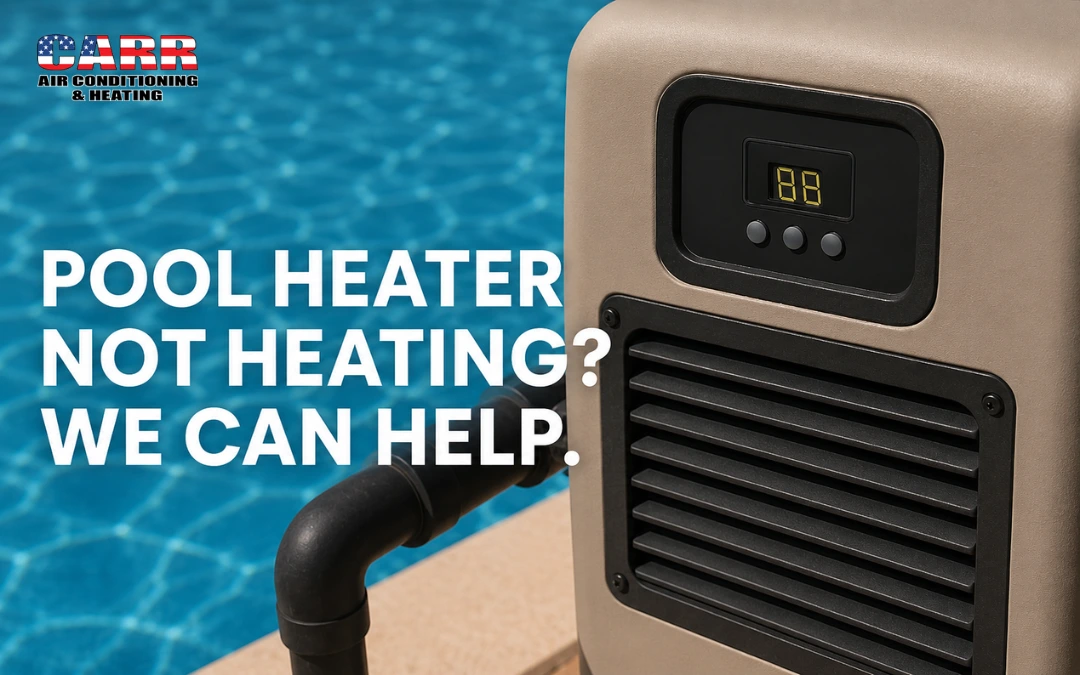
  • How Pool Heat Pumps Perform During Cooler Florida Weather

    How Pool Heat Pumps Perform During Cooler Florida Weather

    When winter temperatures drop across Clearwater, Dunedin, and throughout Pinellas County, many pool owners notice their pool water cooling down faster than expected. Even in Florida, a few cold mornings can make a pool uncomfortable without a properly functioning heat pump.

    That often leads to an important question:
    Is my pool heat pump working correctly, or does it need repair?

    Understanding when you might need pool heat pump repair in Florida can help homeowners set realistic expectations during cooler months.


    What a Pool Heat Pump Is Designed to Do

    A pool heat pump works by extracting warmth from the surrounding air and transferring it into the pool water. Even when outdoor temperatures feel cool, there is still usable heat energy in the air — especially in Florida’s climate.

    Pool heat pumps are popular in Pinellas County because they’re energy-efficient and capable of maintaining comfortable swimming temperatures year-round when operating correctly.

    However, performance naturally changes as outdoor temperatures drop.


    Why Pool Heat Pumps Behave Differently in Winter

    Unlike gas heaters, pool heat pumps rely heavily on outdoor air temperature. When the air is colder, the system has less heat to pull from, which can result in slower warming times.

    During cooler Florida mornings, it’s normal for a pool heat pump to:

    • Take longer to raise the water temperature
    • Run for extended periods
    • Struggle more overnight when temperatures drop

    This doesn’t necessarily mean the system is failing — but it does mean efficiency becomes more sensitive to maintenance and system condition.


    What’s Normal vs. What Signals a Problem

    Some performance changes are expected during winter. Others signal that repair may be necessary.

    Normal Cold-Weather Behavior

    A properly functioning pool heat pump may heat more slowly, especially during early morning hours or after a chilly night. As daytime temperatures rise, performance usually improves.

    Signs Your Pool Heat Pump May Need Repair

    If you notice any of the following, it’s time to have the system evaluated:

    • The pool never reaches the set temperature, even after long run times
    • The heat pump shuts off frequently or fails to start
    • Error codes appear on the control panel
    • Unusual noises coming from the unit
    • Water temperature drops rapidly despite consistent operation

    If your system isn’t responding at all or shows multiple warning signs, it may indicate that your pool heat pump has stopped working properly and requires immediate attention.


    Common Pool Heat Pump Issues During Winter

    Cooler weather tends to expose problems that may go unnoticed during warmer months.

    Airflow Restrictions

    Pool heat pumps require unobstructed airflow to function properly. Debris, landscaping, or restricted space around the unit can significantly reduce efficiency, especially when outdoor temperatures are already low.

    Dirty or Blocked Coils

    When coils are dirty, the unit struggles to absorb heat from the air. This issue becomes far more noticeable in winter, when every bit of heat transfer matters.

    Refrigerant Issues

    Low refrigerant levels or leaks can prevent the system from transferring heat effectively. This often shows up as poor heating performance during cooler conditions.

    Electrical and Control Problems

    Cold weather can expose failing electrical components, faulty sensors, or worn controls — all of which can cause inconsistent operation or shutdowns.


    Why Pool Heat Pumps Struggle Overnight

    Many homeowners in Clearwater and Dunedin notice their pool temperature drops significantly overnight during winter.

    This is normal to a point. Cooler air temperatures, combined with heat loss from the water surface, can offset some of the heat added during the day.

    However, a properly functioning pool heat pump should still be able to recover temperature once outdoor conditions improve. If it can’t, repair or maintenance is often needed.


    The Importance of Routine Pool Heat Pump Maintenance

    Winter is one of the best times to service a pool heat pump in Florida.

    Routine maintenance helps:

    • Improve cold-weather performance
    • Reduce strain on system components
    • Extend equipment lifespan
    • Prevent mid-season failures

    Homeowners who schedule service proactively often avoid more expensive repairs later in the year.


    Pool Heat Pump Repair vs. Replacement

    Not every issue means replacement is necessary. In fact, many winter performance problems are caused by repairable issues such as airflow blockages, electrical faults, or component wear.

    A professional evaluation can determine whether:

    • A repair will restore proper function
    • Maintenance adjustments are sufficient
    • Replacement is the more cost-effective long-term solution

    Having this assessed early helps prevent unnecessary downtime during peak pool season.


    Why Florida Pool Owners Shouldn’t Ignore Minor Issues

    What starts as a small heating issue in winter can easily become a major system failure when spring and summer demand increase. Addressing problems early helps ensure your pool remains comfortable year-round and protects your investment.

    For homeowners who enjoy using their pool even during cooler months, reliable heating performance makes all the difference.


    Pool Heat Pump Repair in Clearwater, Dunedin & Pinellas County

    Florida pools are a major part of home enjoyment, even during winter. A properly operating pool heat pump helps maintain consistent temperatures and reduces frustration caused by cold water during unexpected cold snaps.

    If your pool heater isn’t performing as expected, a professional inspection can quickly identify the cause and recommend the right solution.


    FAQs

    Why is my pool heat pump not heating in cooler Florida weather?

    Pool heat pumps rely on warm air to generate heat. In cooler weather, reduced air temperature can slow performance or make heating less effective.

    Is it normal for a pool heat pump to run longer in winter?

    Yes, during cooler months, pool heat pumps often run longer because they need more time to extract heat from the air and maintain water temperature.

    When should I consider pool heat pump repair?

    If your system fails to reach the set temperature, shuts off frequently, or shows error codes, it may require professional repair.

    How can I improve pool heat pump performance in cooler weather?

    Regular maintenance, proper airflow around the unit, and using a pool cover can help improve efficiency and retain heat.


    Final Thoughts

    Pool heat pumps are designed to handle Florida winters, but cooler temperatures can often highlight underlying issues. Knowing what’s normal — and what isn’t — helps homeowners take action before small problems turn into costly repairs.

    If your pool heat pump struggles to maintain temperature or behaves unpredictably, having it evaluated early can help ensure reliable performance all year long.

    If you’re noticing performance issues, it may be time to consider pool heat pump repair. The team at Carr Air Conditioning can help you keep your system running efficiently so you can enjoy your pool year-round.

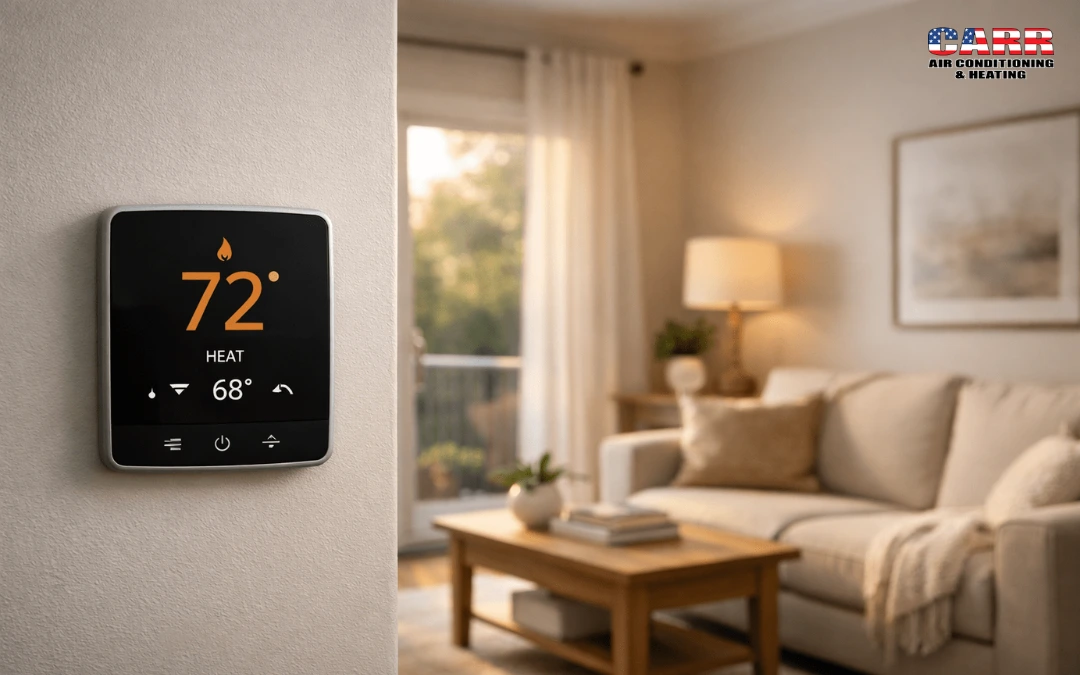
  • Is 72 Degrees a Good Temperature for Heat in a Florida Winter?

    Is 72 Degrees a Good Temperature for Heat in a Florida Winter?

    When winter temperatures dip into the 40s across Clearwater, Dunedin, and throughout Pinellas County, many homeowners start asking the same question:
    Is 72 degrees a good temperature for heat during a Florida winter?

    For many homes, 72 degrees feels comfortable and works well during colder weather. However, the ideal setting depends on several factors, including your home’s insulation, airflow, heating system, and how evenly warmth is distributed throughout the house.

    Understanding how these factors affect comfort can help homeowners maintain better efficiency while avoiding unnecessary strain on their HVAC system.


    Why Heating in Florida Works Differently

    Heating a home in Florida is very different from heating a home up north. Most homes in Pinellas County are designed with cooling as the priority, not extended winter heating. That means lighter insulation, more open layouts, and systems designed to remove heat efficiently during long, hot summers.

    Because of this, heating systems in Florida are typically used for shorter periods and in milder conditions. When cooler weather arrives, those differences can affect how comfortable your home feels, even if the thermostat setting seems reasonable.

    Is 72 Degrees a Good Heat Setting?

    For many Pinellas County homeowners, 72 degrees is a comfortable and reasonable place to start. If your home warms evenly, your system runs steadily, and your energy bills stay predictable, there’s usually no reason to change it.

    However, some homeowners find that even at 72 degrees, certain rooms still feel chilly or that the system seems to run longer than expected. In those cases, the issue usually isn’t the number on the thermostat, it’s how the home and system are working together.


    How Heat Pumps Perform During Cold Weather

    Most homes in Clearwater, Dunedin, and surrounding areas rely on heat pumps rather than traditional furnaces. Heat pumps work differently by pulling heat from outdoor air and transferring it inside, even when it feels cold outdoors.

    During colder Florida mornings, it’s normal for a heat pump to run longer or operate at a lower, steadier output. Unlike gas furnaces, heat pumps don’t blast hot air quickly. This can sometimes make homeowners think the system isn’t working properly when, in reality, it’s operating exactly as designed.

    Making large temperature jumps on the thermostat, such as going from the high 60s to the mid-70s, can actually reduce efficiency and put unnecessary strain on the system.

    Comfort Matters More Than the Exact Number

    Instead of focusing on whether 72 degrees is “right,” it’s more helpful to pay attention to how your home actually feels.

    If the temperature is consistent from room to room, the air feels comfortable, and your system cycles normally, your setting is likely fine. When homeowners experience uneven heating, cold bedrooms, or constant adjustments to the thermostat, those are signs that something else may need attention.

    In many Pinellas County homes, airflow problems or duct issues play a major role in winter comfort.

    Why Some Homes Feel Cold Even at 72 Degrees

    When a home doesn’t feel comfortable at an otherwise reasonable setting, ductwork and airflow are often the culprit. Leaky ducts, restricted airflow, or systems designed primarily for cooling can prevent warm air from reaching all areas of the home evenly.

    Thermostat accuracy can also be a factor. Older thermostats or poorly placed controls may not accurately reflect the true temperature in your living space, leading to discomfort even when the system is running correctly.

    These are common issues in Florida homes and often go unnoticed until cooler weather highlights them.

    Should You Adjust the Temperature at Night?

    Many homeowners wonder whether they should lower the heat at night. In most Florida homes, a slight adjustment is fine, but drastic changes aren’t recommended.

    Lowering the thermostat a few degrees overnight can improve comfort and efficiency, but turning the system off entirely during cold snaps often forces it to work harder in the morning. Gradual adjustments help heat pumps perform more efficiently and reduce wear on system components.

    What Temperature Is Best for Efficiency?

    For most homes in Clearwater and Dunedin, maintaining a steady temperature between the upper 60s and low 70s delivers a good balance of comfort and efficiency during winter months. Avoiding frequent manual changes and allowing the system to maintain a consistent setting typically produces better results than constant adjustments.

    True efficiency, however, depends far more on system condition, airflow, and maintenance than on a single thermostat number.

    Why Winter Is a Good Time for HVAC Maintenance

    Winter is actually an ideal time to schedule HVAC service in Pinellas County. Heating systems that only run part of the year can develop small issues that go unnoticed until they affect comfort.

    A professional inspection can help ensure your heat pump is operating efficiently, your airflow is balanced, and your system is prepared for the heavier workload that comes with spring and summer. Addressing minor issues now can prevent larger, more expensive problems later.

    Regular HVAC maintenance can help improve efficiency, airflow, and overall winter comfort in Florida homes.

    FAQs

    Is 72 degrees too high for heat in Florida?

    For most Florida homes, 72 degrees is considered a comfortable and reasonable winter temperature. The ideal setting depends on insulation, airflow, and personal comfort preferences.

    Why does my house still feel cold at 72 degrees?

    Uneven airflow, duct issues, poor insulation, or thermostat placement can make certain rooms feel colder even when the thermostat is set correctly.

    Do heat pumps run longer during Florida winters?

    Yes, heat pumps often run longer during colder mornings because they pull heat from outdoor air rather than generating heat directly like furnaces.

    What temperature is most efficient for heating a Florida home?

    Most Florida homeowners find temperatures between the upper 60s and low 70s provide a good balance between comfort and energy efficiency.


    Final Thoughts: Is 72 Degrees Right for You?

    For many Florida homeowners, 72 degrees is a comfortable and efficient temperature during winter. The real factor is how your home responds to that setting. If temperatures stay consistent and your system runs smoothly, you’re likely in a good range.

    However, if certain rooms still feel cold or your system struggles to maintain comfort, the issue may be related to airflow, insulation, or overall HVAC performance rather than the thermostat setting itself.

    Regular HVAC maintenance and proper system performance can make a noticeable difference in both comfort and efficiency during cooler weather. If your home still doesn’t feel comfortable at reasonable thermostat settings, the team at Carr Air Conditioning can help identify the cause and keep your system running efficiently all winter long.