HVAC Maintenance Archives - Carr Air Conditioning HVAC Maintenance Archives - Carr Air Conditioning

Category: HVAC Maintenance

  • Salt Air and Your AC (Coastal)

    How Salt Air Affects Your AC in Coastal Florida

    Understanding how salt air affects your AC is essential if you live anywhere near the Gulf Coast. That fresh ocean breeze comes with a hidden cost: salt in the air slowly corrodes the metal parts of your air conditioner, and the closer you are to the water, the faster it happens. Knowing what to watch for, and how to fight back, can add years to your system’s life and save you from an early replacement.

    Florida’s heat and humidity are already tough on AC systems. For coastal homes, salt adds another layer of wear that inland units never deal with. Once you see how salt air affects your AC, the steps to protect it are simple.

    How salt air affects your AC unit in coastal Florida

    1. How Salt Air Affects Your AC’s Metal Parts

    Your outdoor condenser is built mostly from metal: aluminum fins, copper coils, a steel cabinet, and electrical components. Salt in the air settles on these surfaces and speeds up corrosion. Over time, corroded coils transfer heat less effectively, fins break down, and electrical connections weaken. A unit that might last 12 to 15 years inland can wear out years sooner right on the coast.

    2. Signs Salt Air Is Damaging Your Unit

    Watch for rust or a white, chalky buildup on the outdoor cabinet, bent or crumbling aluminum fins, and corrosion around electrical connections. You may also notice your system working harder, cooling less effectively, or running up your energy bill as corroded coils lose efficiency. If you spot any of these, it is worth having the unit inspected.

    3. Rinse Your Outdoor Unit Regularly

    One of the easiest ways to fight back is to gently rinse your outdoor condenser with fresh water every few weeks during the warm months. This washes away salt buildup before it can settle in and corrode. Use a gentle stream from a garden hose, never a pressure washer, which can bend the delicate fins. Always turn the unit off at the breaker first.

    4. Keep Up With Professional Coil Cleaning

    A rinse helps on the surface, but coastal units benefit from regular professional coil cleaning to remove the salt and grime that build up deeper in the system. Clean coils run more efficiently and last longer. You can learn more about routine AC maintenance and how often coastal systems should be serviced.

    5. Service Coastal Units More Often

    Inland systems usually do fine with one tune-up a year. If you live near the beach, two visits a year is a smart move. More frequent maintenance lets a technician catch corrosion early, clean the coils, and protect electrical components before salt does lasting damage. Once you understand how salt air affects your AC, this extra care is an easy decision that pays for itself in efficiency and a longer system life.

    6. Choose Corrosion-Resistant Options When You Replace

    If your current unit is heavily corroded, repairs may only buy a little time. When it is time for a new system, ask about coastal or corrosion-resistant models with protective coil coatings designed for salt-air environments. These units cost a bit more upfront but hold up far better near the water. Not sure if it is time? Our guide on the signs you need a new AC system can help.

    How to Protect Your AC From Salt Air Year-Round

    To get the most life out of a system near the water:

    • Rinse the outdoor unit with fresh water regularly
    • Schedule professional maintenance twice a year
    • Keep up with coil cleaning
    • Watch for early signs of rust and corrosion
    • Choose corrosion-resistant equipment when you replace

    For more on keeping your system efficient, the U.S. Department of Energy offers helpful guidance on central air conditioning maintenance.

    Protect Your Coastal AC with Carr Air Conditioning

    Knowing how salt air affects your AC is the first step; acting on it is what saves you money. Carr Air Conditioning helps homeowners in Clearwater, Dunedin, Palm Harbor, and nearby beach communities keep their systems running strong with coastal maintenance, coil cleaning, and corrosion-resistant installation and replacement options.

    Call us today at (727) 447-7212 to schedule coastal AC service.

  • Hurricane / Storm-Season AC Prep

    How to Prepare Your AC for Hurricane Season in Florida

    Learning how to prepare your AC for hurricane season can save you from a costly breakdown when a storm hits. Here on Florida’s Gulf Coast, hurricane season runs from June through November, and your air conditioner is one of the most expensive and most vulnerable systems in your home. A little preparation now protects your equipment, keeps your family comfortable, and helps you avoid an emergency repair at the worst possible time.

    Florida’s heat and humidity already push AC systems hard all summer long. Add high winds, flooding, lightning, and power surges to the mix, and an unprepared system can fail right when you need it most. The good news is that it is simple to prepare your AC for hurricane season once you know what to do.

    How to prepare your AC for hurricane season in Florida

    1. Schedule a Pre-Storm Tune-Up

    The single best thing you can do is head into hurricane season with a healthy system. A professional tune-up checks refrigerant levels, electrical connections, and drainage so small problems get caught before a storm turns them into big ones. A well-maintained unit is far less likely to fail under the extra strain of a storm. You can review our seasonal maintenance checklist to see what a full service covers.

    2. Install Surge Protection for Your AC

    Lightning strikes and power surges are some of the most common causes of storm-related AC damage. A surge can instantly destroy your compressor and control board, the two most expensive parts to replace. A whole-home surge protector, or a dedicated unit for your HVAC system, is an inexpensive safeguard that can save you thousands. Ask us about adding surge protection before the season ramps up.

    3. Clear the Area Around Your Outdoor Unit

    High winds can turn loose objects into projectiles that dent or puncture your condenser. Before a storm, remove patio furniture, potted plants, tools, and debris from around the outdoor unit, and trim back any branches that could fall on it. Keeping the area clear also helps your system breathe and run efficiently during normal use.

    4. Turn Off Your AC Before the Storm Hits

    If a major storm or hurricane is bearing down, switch your AC off at the thermostat and the breaker. Running your system during a storm exposes it to power surges and lets it draw in moisture and debris. Shutting it down ahead of time is one of the easiest ways to prevent electrical damage.

    5. Protect Against Flooding

    If your outdoor unit sits low or your area is prone to flooding, talk to us about raising it on a pad or platform. Floodwater can ruin electrical components and contaminate the system. For homes near the water, this small step can be the difference between a quick restart and a full replacement after a storm.

    6. Know What to Do After the Power Comes Back

    Do not rush to turn your AC back on the moment power returns. Wait a few minutes to let the electrical supply stabilize, then turn the system on at the breaker and thermostat. If you notice strange noises, weak airflow, or the unit will not start, shut it off and call for service rather than forcing it. If your system took on water or a direct hit, have it inspected before running it. Our AC repair team can check it out and get you cooling again safely.

    Your Checklist to Prepare Your AC for Hurricane Season

    Before the next storm, make sure you have:

    • Scheduled a pre-storm tune-up
    • Installed surge protection
    • Cleared debris from around the outdoor unit
    • Trimmed nearby branches
    • A plan to shut the system down safely
    • Elevated the unit if you are in a flood-prone area

    For an authoritative checklist on overall storm readiness, the federal government’s hurricane preparedness guide is a great resource.

    Schedule Your Pre-Storm AC Tune-Up with Carr Air Conditioning

    The best time to prepare your AC for hurricane season is before the first storm forms. Carr Air Conditioning helps homeowners across Clearwater, Dunedin, Palm Harbor, and the surrounding Gulf Coast get their systems storm-ready, from tune-ups and surge protection to full system replacements. We can also help if you are weighing an upgrade with our AC installation and replacement services.

    Call us today at (727) 447-7212 to schedule your pre-storm AC tune-up.

  • Why Is My Energy Bill So High in Florida?

    If you live in Clearwater, Dunedin, or anywhere in Pinellas County, you’ve probably had at least one month where your energy bill made you stop and look twice.

    In Florida, higher electric bills are common, especially as temperatures rise. But that doesn’t mean every increase is normal or unavoidable. Many homeowners assume their bill is high simply because “it’s hot outside,” but the real cause is often more specific.

    Your HVAC system, ductwork, insulation, thermostat settings, airflow, and humidity levels all play a role in how much energy your home uses. When one part of that system is not working efficiently, your AC has to work harder to keep the home comfortable.

    Over time, that extra strain shows up on your monthly bill.

    Why Florida Energy Bills Rise So Quickly

    Florida homes face a unique challenge. Air conditioners here do more than cool the air. They also remove moisture from the home.

    That matters because humidity makes your home feel warmer than the actual temperature. When indoor humidity is high, homeowners often lower the thermostat to feel more comfortable. The system then runs longer, uses more energy, and still may not solve the comfort issue completely.

    In Pinellas County, this becomes especially noticeable in spring and summer. Once the weather shifts, your AC may go from running occasionally to running most of the day. If the system is clean, properly maintained, and moving air well, that increase may be manageable. If there are underlying problems, your bill can climb quickly.

    Your HVAC System Is Often the Biggest Factor

    For most Florida homeowners, the HVAC system is one of the largest energy users in the home. That means even small efficiency problems can have a noticeable impact.

    An older system may need more time and energy to cool the same space. A poorly maintained system may run longer than necessary. Dirty coils, restricted airflow, clogged filters, low refrigerant, and worn components can all cause the system to work harder.

    The frustrating part is that the system may still appear to be working. Cool air may still come out of the vents. The home may still reach the temperature on the thermostat. But if it takes longer to get there, or the system has to run constantly to maintain it, energy use goes up.

    That is why high energy bills are often an early sign that something in the HVAC system needs attention.

    Dirty Filters and Poor Airflow Can Cost More Than You Think

    Airflow is one of the most overlooked causes of high energy bills.

    When air cannot move freely through the system, your AC has to work harder to push conditioned air through the home. A dirty air filter is one of the simplest examples. As the filter becomes clogged, airflow becomes restricted. The system has to run longer, comfort becomes less consistent, and energy use increases.

    Blocked vents, closed interior doors, dirty coils, and duct restrictions can create similar problems.

    In homes throughout Clearwater and Dunedin, airflow issues are especially common because many homes have been remodeled, expanded, or updated over time. The HVAC system may not always be perfectly balanced for how the home is used today.

    When airflow is off, some rooms may feel comfortable while others stay warm or humid. That often leads homeowners to lower the thermostat, which increases energy use even more.

    Duct Leaks Can Waste Conditioned Air

    Your ductwork plays a major role in energy efficiency. Even if your AC system is running properly, leaky ducts can waste a large amount of cooled air before it ever reaches your living space.

    This is especially important in Florida homes where ducts often run through attics, garages, or other hot areas. If conditioned air escapes into those spaces, the system has to work harder to cool the home.

    Many homeowners never see the duct problem directly. They just notice higher bills, uneven cooling, or rooms that never feel quite right.

    Duct leakage can also pull in hot, humid air from outside the conditioned space. That makes the AC work even harder because now it has to cool and dehumidify extra air that should not be entering the system in the first place.

    Poor Insulation and Air Leaks Add to the Problem

    High energy bills are not always caused by the HVAC system alone. Sometimes the home itself is losing cooled air too quickly.

    Air leaks around doors, windows, attic spaces, recessed lighting, and other openings allow conditioned air to escape and warm air to enter. Poor insulation can make the problem worse, especially during long stretches of hot weather.

    When this happens, your AC may be doing its job, but the home cannot hold the comfort it creates. The system cycles more often, runs longer, and uses more electricity.

    This is where energy audits, including programs like the Duke Energy audit, can be helpful. They can identify areas where the home may be losing energy and help homeowners better understand what improvements may make the biggest difference.

    Humidity Makes Your AC Work Harder

    Humidity is one of the biggest reasons Florida energy bills can feel unpredictable.

    When humidity levels are high, your AC has to remove moisture from the air before the home feels comfortable. If the system is oversized, poorly maintained, or not running properly, it may cool the home without removing enough humidity.

    That creates a frustrating situation. The thermostat says the home is cool, but the air still feels sticky or uncomfortable. Many homeowners respond by lowering the thermostat a few degrees.

    That may help temporarily, but it also increases energy use.

    Proper HVAC maintenance helps the system cool and dehumidify more effectively. When the system is clean, draining properly, and moving air correctly, it can do a better job controlling both temperature and moisture.

    Thermostat Habits Can Drive Bills Up

    Your thermostat settings also play a role in monthly energy costs.

    In Florida, constantly lowering the thermostat during hot afternoons can cause the system to run for long periods. Large temperature swings are especially inefficient because the AC has to work harder to catch up.

    A consistent setting usually works better than frequent manual adjustments. Smart thermostats can also help, but only if they are programmed correctly and paired with a system that is working efficiently.

    If your thermostat is old, inaccurate, or placed in a poor location, it may not read the home’s temperature correctly. That can cause the system to run too long or shut off before the whole home is comfortable.

    Drain Line Issues Can Affect Performance Too

    Drain line problems are another Florida-specific issue that can affect comfort and system reliability.

    As your AC removes humidity from the air, that moisture drains through the condensate line. When the line starts to clog, the system may shut down or struggle to manage moisture properly.

    Even before a full clog happens, drainage issues can contribute to inconsistent performance. In a humid climate like Pinellas County, keeping the drain line clear is an important part of protecting the system and maintaining comfort.

    This is one reason spring maintenance is so valuable. It gives homeowners a chance to catch drainage issues before peak cooling season.

    When a High Energy Bill Means You Should Schedule Service

    A single high bill does not always mean something is wrong. Weather changes, usage patterns, and utility rates can all affect monthly costs.

    But if your bill keeps rising and your comfort is not improving, it is worth taking a closer look.

    You should consider an HVAC inspection if your system runs constantly, rooms feel uneven, humidity feels high, or your home takes longer than usual to cool down. These are signs that the system may be working harder than it should.

    For homeowners in Clearwater, Dunedin, and throughout Pinellas County, catching these issues early can help prevent bigger repairs later.

    The Bottom Line

    High energy bills in Florida are common, but they should not be ignored.

    Your HVAC system is at the center of home comfort and energy use. When airflow, ductwork, insulation, humidity control, or maintenance are off, the system has to work harder. That extra work often shows up as higher monthly bills.

    The good news is that many of these issues can be identified and corrected before they become major problems.

    If your energy bill has increased and your home still does not feel as comfortable as it should, a professional HVAC evaluation can help pinpoint what is happening and give you a clearer path forward.
  • How to Prevent AC Drain Line Clogs in Florida Homes

    How to Prevent AC Drain Line Clogs in Florida Homes

    For homeowners in Clearwater, Dunedin, and throughout Pinellas County, AC drain line clogs are one of the most common — and frustrating — HVAC issues that show up once the weather starts warming up.

    What makes this issue even more frustrating is that it often appears without warning — right when you need your AC the most. Most people don’t think about their drain line until something goes wrong. By the time water backs up, the system shuts off, or a musty smell appears, the clog has already formed.

    Drain line clogs don’t happen randomly. They build up over time, and in Florida’s climate, they’re almost guaranteed without some level of prevention. That’s why learning how to prevent AC drain line clogs is essential to keeping your system running smoothly.

    Why AC Drain Line Clogs Keep Coming Back

    One of the biggest frustrations homeowners face is dealing with the same issue more than once. The drain line gets cleared, everything seems fine, and then a few months later the problem returns.

    That happens because the conditions inside the drain line never really change. Your AC system constantly pulls moisture out of the air — especially in humid areas like Pinellas County. That moisture creates a damp environment inside the line, which naturally allows buildup to form again.

    Even after a clog is removed, the same process starts all over unless something is done to prevent it.

    What’s Actually Building Up Inside the Line

    Drain lines don’t clog overnight. The buildup happens gradually as your system runs day after day.

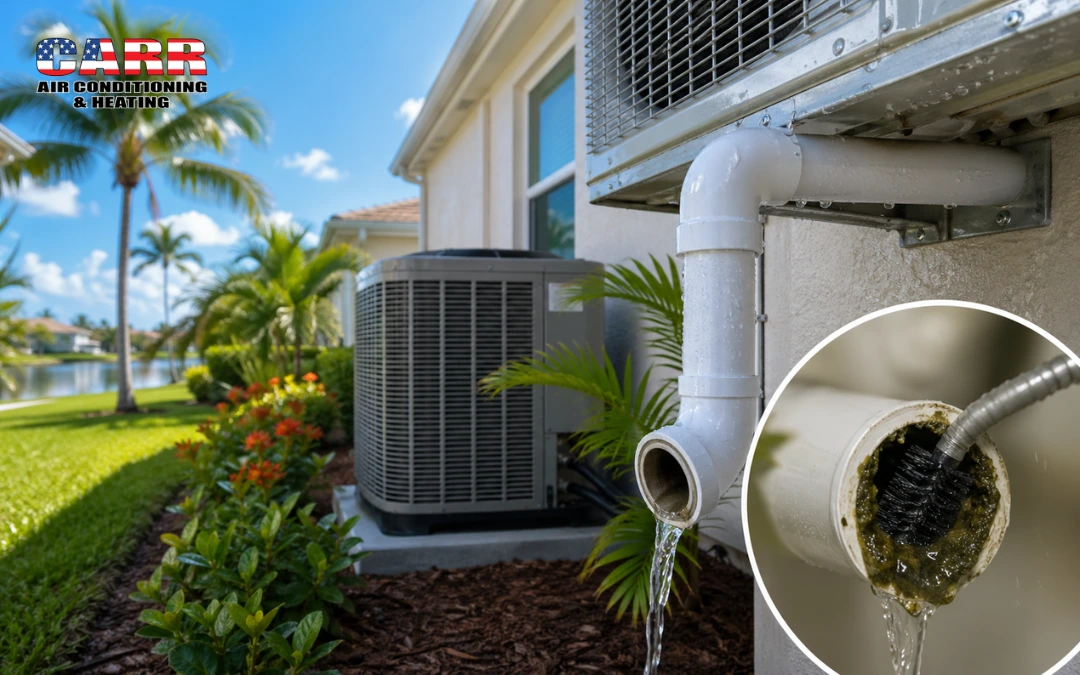
    As air moves through your system, small particles like dust and debris come with it. When that mixes with moisture, it creates residue that sticks to the inside of the line. Over time, that buildup thickens and begins to restrict water flow.

    In many cases, this buildup eventually leads to a full AC drain line clog, especially in systems that run frequently in Florida’s climate.

    Why Spring Is When Problems Start Showing Up

    Many homeowners first notice drain line issues in spring — and there’s a reason for that.

    As temperatures rise, your AC begins running more consistently. That means it’s pulling more humidity out of the air, increasing the amount of water moving through the drain line. If there’s already buildup inside, that extra moisture can push it to the point of blockage.

    This is why systems that seemed fine during winter suddenly develop issues as cooling season begins.

    Why Prevention Matters More Than Fixing the Problem

    Once a drain line clogs, it usually leads to disruption. In many cases, the system shuts down to prevent water damage — leaving you without cooling when you need it most.

    Fixing the clog solves the immediate problem, but it doesn’t stop it from happening again. Prevention is what keeps the system running consistently, especially during the months when you rely on it the most.

    What Homeowners Can Do to Reduce the Risk

    There are a few simple things homeowners can do to lower the chances of AC drain line clogs forming.

    1. Keep your air filter clean. Dirty filters allow more debris into the system, which contributes to buildup inside the drain line.

    2. Make sure vents aren’t blocked. Proper airflow reduces strain on the system and helps moisture drain correctly.

    3. Watch for early warning signs. Musty smells, water near the air handler, or increased humidity can indicate early blockage.

    Even well-maintained systems in Florida can still develop drain line issues over time. The environment alone makes it difficult to avoid completely without a more consistent preventative approach.

    Why Professional Maintenance Makes a Difference

    Routine HVAC maintenance is one of the most reliable ways to stay ahead of AC drain line clogs and prevent buildup before it leads to system issues.

    During a service visit, a technician can inspect the line, clear early buildup, and ensure water is draining properly. Catching these issues early is much easier than dealing with a full blockage later.

    For homeowners in Clearwater and Dunedin, this is especially important because of how often systems run throughout the year.

    Taking a Long-Term Approach to Prevention

    Because drain line clogs are tied to moisture and usage, preventing them long-term requires consistency.

    Instead of waiting for problems to show up, many homeowners benefit from solutions that help keep the line clear over time while working alongside regular maintenance. This reduces the chance of repeat issues and helps the system operate more reliably.

    Why This Matters for Your HVAC System

    A clogged drain line might seem like a small issue, but it can have a bigger impact than most people realize.

    When drainage is restricted, your system can’t remove moisture properly. That affects comfort, performance, and can trigger safety switches that shut the system down.

    Keeping the drain line clear helps your entire HVAC system work the way it’s supposed to.

    FAQs

    Q1: What causes AC drain line clogs in Florida homes?
    Ans: Florida’s humidity creates the perfect environment for algae, mold, dust, and debris to build up inside the drain line.

    Q2: How can I prevent AC drain line clogs?
    Ans: Regular HVAC maintenance, clean filters, and early detection help prevent buildup and keep the line clear.

    Q3: What are the signs of a clogged AC drain line?
    Ans: Water near the unit, musty odors, increased humidity, and unexpected system shutdowns.

    Q4: How often should AC drain lines be cleaned?
    Ans: At least once a year — ideally before spring cooling season.

    The Bottom Line

    In Florida homes, AC drain line clogs are extremely common — but they’re also highly preventable.

    The key is understanding that buildup happens over time and taking steps early to reduce the chances of it becoming a problem. Waiting until the system shuts down often means dealing with an issue that could have been avoided.

    For homeowners in Clearwater, Dunedin, and across Pinellas County, staying ahead of drain line issues is one of the simplest ways to keep your HVAC system running smoothly through the hottest months of the year.

    If you want to prevent recurring drain line issues and avoid unexpected shutdowns, the team at Carr Air Conditioning can help you maintain your system and prevent costly HVAC problems before they start.

    For additional information on moisture and HVAC performance, visit the U.S. Environmental Protection Agency: https://www.epa.gov/mold

  • Why HVAC Drain Lines Clog in Florida (and How to Prevent It)

    Why HVAC Drain Lines Clog in Florida (and How to Prevent It)

    As temperatures and humidity start rising across Clearwater, Dunedin, and throughout Pinellas County, your air conditioning system begins working harder to keep your home cool and comfortable. During this time, problems like an HVAC drain lines clog in Florida can begin forming due to constant moisture buildup inside the system.

    What many homeowners don’t realize is that along with cooling the air, your HVAC system is also removing large amounts of moisture from it. That moisture has to go somewhere — and it exits your system through the condensate drain line.

    When that drain line becomes clogged, it can quickly turn into one of the most common and frustrating HVAC issues Florida homeowners face.

    What an HVAC Drain Line Actually Does

    Every time your AC runs, it pulls humidity out of the air. That moisture condenses into water and drains away through a small pipe connected to your system.

    In Florida’s humid climate, this process happens constantly during spring and summer. Over time, that warm, damp environment inside the drain line creates the perfect conditions for buildup.

    Without regular maintenance, the line can become partially or fully blocked.

    Why HVAC Drain Line Clogs Happen So Easily in Florida

    Drain line clogs are especially common in Pinellas County because of the combination of heat, humidity, and frequent AC use.

    Inside the line, you can get buildup from:

    • Algae and organic growth
    • Dust and debris from the air
    • Sludge formed from moisture and contaminants

    Because the system is removing moisture daily, the drain line stays damp — which allows this buildup to grow over time.

    Early Signs Your Drain Line May Be Clogging

    Most drain line problems don’t happen all at once. They usually start small and gradually get worse.

    Homeowners in Clearwater and Dunedin may notice:

    • Water pooling near the indoor unit
    • A musty or damp smell around vents or equipment
    • The AC shutting off unexpectedly
    • Higher humidity levels inside the home

    Many modern systems have safety switches that shut the unit down when a clog is detected to prevent water damage.

    What Happens When the Line Gets Fully Blocked

    When a drain line becomes completely clogged, the water your system removes has nowhere to go.

    This can lead to:

    • Water backing up into the system
    • Overflow into the drain pan
    • System shutdowns
    • Potential water damage around the unit

    In some cases, homeowners don’t notice the issue until visible damage appears, which can turn a small maintenance problem into a larger repair.

    Why This Becomes a Bigger Problem in Spring

    Spring is when drain line issues really start to show up.

    As temperatures rise, your AC runs more often and removes more humidity from the air. That increased moisture flow pushes existing buildup through the system, which can cause partial clogs to turn into full blockages.

    This is why many homeowners first experience drain line problems right as cooling season begins.

    How to Prevent Drain Line Clogs

    The good news is that drain line clogs are one of the most preventable HVAC issues.

    Scheduling routine HVAC maintenance helps keep the drain line clear, reduce buildup, and prevent unexpected system breakdowns during peak season. During a routine service, the drain line can be inspected, cleared, and treated to reduce buildup.

    Homeowners can also help by staying aware of early warning signs and addressing them before they escalate.

    In Florida homes, prevention is far more effective than waiting for a clog to form.

    Why DIY Fixes Don’t Always Solve the Problem

    Some homeowners try to clear clogs themselves using simple methods like flushing the line. While that can help in minor cases, it doesn’t always address the full problem.

    Buildup inside the line can be stubborn, and without proper cleaning, the clog often returns. In some cases, improper clearing attempts can push debris deeper into the system.

    Professional service ensures the line is fully cleared and functioning properly.

    Protecting Your System From Repeat Issues

    Once a drain line clogs, it’s more likely to happen again if the underlying cause isn’t addressed.

    Routine inspections, proper cleaning, and system adjustments help reduce long-term risk. For homeowners in Pinellas County, this is especially important due to the consistent humidity levels throughout much of the year.

    Taking care of the drain line isn’t just about avoiding water problems — it also helps your system operate more efficiently overall.

    FAQs

    Q1: What causes HVAC drain line clogs in Florida?
    Ans: In Florida’s humid climate, constant moisture inside the drain line creates the perfect environment for algae, dust, and sludge buildup, which can eventually block the line.

    Q2: How can I tell if my AC drain line is clogged?
    Ans: Common signs include water pooling near the unit, musty odors, higher indoor humidity, or your AC system shutting off unexpectedly due to safety switches.

    Q3: How often should HVAC drain lines be cleaned?
    Ans: It’s recommended to have your drain line inspected and cleaned at least once a year, ideally during spring HVAC maintenance before peak cooling season begins.

    The Bottom Line

    HVAC drain line clogs are one of the most common issues Florida homeowners face, especially as spring transitions into summer. Because your system removes moisture constantly, even small amounts of buildup can lead to larger problems if left unchecked.

    Understanding how the drain line works — and why it clogs — helps homeowners stay ahead of the issue and avoid unnecessary disruption.

    If you’re noticing early signs of a clog or want to prevent future HVAC issues, getting your system inspected early can save time and costly repairs. The experts at Carr Air Conditioning can help ensure your system stays clean, efficient, and ready to handle Florida’s demanding climate.

  • Why Spring HVAC Maintenance Is So Important for Florida Homeowners

    Why Spring HVAC Maintenance Is So Important for Florida Homeowners

    As temperatures begin to rise across Clearwater, Dunedin, and throughout Pinellas County, most homeowners start thinking about turning their air conditioning back on full-time. During this time, spring HVAC maintenance in Clearwater FL becomes essential, as your system prepares for its busiest season. After a quieter winter period, your HVAC system is about to enter months of continuous demand.

    What many homeowners don’t realize is that spring is the most important time to service your system, not summer.

    By the time summer arrives, your HVAC system is already under heavy demand. Spring is the window where small issues can be addressed early, before they turn into breakdowns, inefficiencies, or expensive repairs.

    Why Florida HVAC Systems Work Harder Than Most

    In Florida, air conditioning systems don’t get a long break. Even during winter, systems cycle on and off regularly. Once spring arrives, usage increases quickly and stays high for months.

    Because of this, HVAC systems in Pinellas County experience:

    • Extended run times throughout the year
    • Higher overall wear compared to other climates
    • Greater sensitivity to airflow and maintenance issues

    Without regular maintenance, even small inefficiencies can compound quickly once temperatures climb.

    What Happens When Maintenance Gets Skipped

    Skipping spring HVAC maintenance often doesn’t cause immediate problems — which is why it’s easy to put off. However, the impact usually shows up later, when the system is working at full capacity.

    Homeowners who skip maintenance commonly experience:

    • Reduced cooling efficiency
    • Higher energy bills as temperatures rise
    • Uneven cooling throughout the home
    • Increased likelihood of mid-summer breakdowns

    By the time these issues appear, repairs are often more urgent and more disruptive.

    Spring Is When Small Issues Are Easiest to Fix

    During spring, your system isn’t yet under extreme stress. This makes it the ideal time to identify and correct minor issues before they become larger problems.

    Things like restricted airflow, worn components, or drainage issues are much easier to address early. Once summer heat sets in, those same issues can cause system strain, reduced performance, or complete failure.

    For homeowners in Clearwater and Dunedin, this early window is one of the biggest advantages of spring maintenance.

    Airflow and Efficiency Start With Proper Maintenance

    One of the most overlooked factors in HVAC performance is airflow. Even if your system is technically running, poor airflow can prevent it from cooling your home effectively, which is often one of the reasons homeowners notice their system struggling to blow cold air during the summer.

    Spring maintenance helps ensure:

    • Air filters are clean and unrestricted
    • Duct airflow is balanced properly
    • System components are operating efficiently

    When airflow is optimized, your system doesn’t have to work as hard to maintain comfort, which directly impacts both performance and energy usage.

    Why Energy Bills Often Increase Without Maintenance

    As temperatures rise in Pinellas County, homeowners often notice their energy bills climbing. While some increase is expected, poorly maintained systems tend to use significantly more energy than necessary.

    When components aren’t operating efficiently, the system must run longer to achieve the same result. Over time, this leads to higher costs and increased wear.

    Spring maintenance helps ensure your system is operating at peak efficiency before the hottest months arrive.

    Drain Line Issues Start Showing Up in Spring

    As humidity increases, your HVAC system begins removing more moisture from the air. That moisture drains through the system’s condensate line.

    If that line becomes partially blocked, it can lead to:

    • Water buildup
    • System shutdowns
    • Potential damage to surrounding areas

    Spring is when these issues begin to develop, making it the right time to inspect and clear drainage components before they cause problems.

    (This also sets up your next blog perfectly on drain line clogs.)

    Why Waiting Until Summer Creates More Problems

    When homeowners wait until summer to service their HVAC system, they’re often reacting to a problem instead of preventing one.

    At that point:

    • Systems are already under heavy demand
    • Scheduling becomes more limited
    • Small issues may have already escalated

    Spring gives homeowners the opportunity to stay ahead of these challenges rather than dealing with them during peak season.

    Protecting Your HVAC Investment

    Your HVAC system is one of the most important and expensive components of your home. Like any major system, it performs best when it’s maintained regularly.

    Routine spring maintenance helps:

    • Extend the lifespan of the system
    • Maintain consistent indoor comfort
    • Reduce the likelihood of unexpected repairs
    • Keep the system operating efficiently year-round

    For homeowners in Clearwater, Dunedin, and across Pinellas County, this is one of the simplest
    ways to protect that investment.

    FAQs

    Q1: How often should HVAC systems be serviced in Florida?
    Ans: At least once a year, ideally in spring before peak usage.

    Q2: What happens if I skip HVAC maintenance?
    Ans: You may face higher energy bills, reduced efficiency, and unexpected breakdowns.

    Q3: Is spring the best time for AC maintenance in Clearwater FL?
    Ans: Yes, spring allows you to fix issues early before summer demand increases.


    The Bottom Line

    Spring HVAC maintenance isn’t about fixing something that’s broken — it’s about making sure it doesn’t break when you need it most.As temperatures begin to climb, having your system inspected and serviced early helps ensure reliable performance, better efficiency, and fewer surprises during the hottest months of the year.

    For Florida homeowners, this small step can make a significant difference in comfort and long-term system health.

    If you’re in Clearwater, Dunedin, or nearby areas, scheduling HVAC maintenance in Clearwater FL now can help you avoid costly repairs later. Contact Carr Air Conditioning today to keep your system running efficiently all season long.