Blog Archives - Carr Air Conditioning Blog Archives - Carr Air Conditioning

Category: Blog

  • The Real Risks of Delaying an AC Replacement in Florida

    The Risks of Delaying AC Replacement in Florida

    The risks of delaying AC replacement affect Florida homeowners more than most people realize. When your AC is aging, struggling to cool, or driving up your energy bill, waiting too long to replace it can lead to higher costs, lower comfort, and sudden breakdowns during the hottest part of the year. Understanding the risks of delaying AC replacement helps you make the right decision before problems get worse.

    1. Higher Energy Bills Are a Major Risk of Delaying AC Replacement

    One of the biggest risks of delaying AC replacement is rising energy costs. As AC systems age, they lose efficiency. Worn components, dirty coils, and declining compressor performance force the system to run longer to reach the set temperature. This drives up your electric bill and increases wear on the system.

    According to the U.S. Department of Energy, upgrading to a modern high-efficiency system can significantly reduce cooling costs in hot climates like Florida.
    Learn more about AC efficiency from the U.S. Department of Energy.

    2. Frequent Repairs Are Another Risk of Delaying AC Replacement

    Older AC systems often fall into a repair cycle. Capacitors, contactors, blower motors, and compressors wear out faster in Florida’s climate. You may find yourself paying for:

    • Multiple service calls
    • Emergency repairs
    • Temporary fixes
    • Parts that fail again shortly after

    A good rule of thumb: if a repair costs more than 30 percent of the price of a new system, replacement is the smarter investment.

    3. Sudden System Failure Is a Serious Risk of Delaying AC Replacement

    The hottest days of the year are when older AC systems are most likely to fail. When temperatures spike, compressors and motors run nonstop, and weak systems simply cannot keep up. A total failure can leave your home without cooling for hours or even days, especially during peak season when emergency appointments fill up quickly.

    4. Poor Cooling Performance and Hot Spots

    If certain rooms never cool properly, or if airflow feels weak even after filter changes, your AC may be losing capacity. Delaying AC replacement can lead to:

    • Hot spots in bedrooms
    • Poor airflow in living areas
    • Longer cooling cycles
    • Humidity problems
    • A home that never feels comfortable

    Florida’s humidity exposes weak systems quickly, and older units often struggle to keep up.

    5. High Indoor Humidity and Moisture Problems

    Your AC should remove moisture from the air. When it cannot, your home may feel sticky, muggy, or damp. High indoor humidity can lead to:

    • Mold growth
    • Musty odors
    • Condensation on vents
    • Damp or sticky indoor air
    • Poor indoor air quality

    This is one of the most overlooked risks of delaying AC replacement, and it can affect both comfort and health.

    6. Lower Home Value and Buyer Appeal

    If you plan to sell your home in the next few years, an aging AC system can reduce buyer interest and lower your home’s value. Many buyers request credits or repairs when they see an older unit. A new AC system is one of the most attractive upgrades for Florida buyers, and delaying replacement may cost you more when it is time to sell.

    7. Missing Out on Modern Efficiency and Comfort Features

    New AC systems offer benefits older units cannot match:

    • Higher SEER2 efficiency
    • Quieter operation
    • Better humidity control
    • Improved airflow
    • Smart thermostat compatibility
    • Modern refrigerants
    • Longer warranties

    Delaying AC replacement means missing out on lower bills, better comfort, and improved reliability.

    When Repairs Aren’t Enough

    Repairs can extend the life of your AC, but they are not always the best long-term solution. If you are experiencing multiple issues from this list, replacing your system can provide:

    • Lower monthly energy bills
    • Better indoor comfort
    • Improved humidity control
    • Quieter operation
    • Stronger airflow
    • Better indoor air quality
    • Higher home value

    Florida homeowners benefit more from AC replacement than almost anywhere else in the country. A new system can reduce cooling costs, improve comfort, and handle the extreme humidity that older units struggle with.

    Learn More About AC Replacement

    For more information on installation options, visit our AC Installation and Replacement page.
    You can also review the signs you need a new AC system to help decide if replacement is the right move.

    Protect Your Home with Carr Air Conditioning

    Knowing the risks of delaying AC replacement is the first step; acting on them is what saves you money. Carr Air Conditioning helps homeowners in Clearwater, Dunedin, Palm Harbor, and nearby communities stay comfortable with expert installation, repair, and maintenance services.

    Call us today at (727) 447-7212 to schedule your free AC replacement consultation.
  • Salt Air and Your AC (Coastal)

    How Salt Air Affects Your AC in Coastal Florida

    Understanding how salt air affects your AC is essential if you live anywhere near the Gulf Coast. That fresh ocean breeze comes with a hidden cost: salt in the air slowly corrodes the metal parts of your air conditioner, and the closer you are to the water, the faster it happens. Knowing what to watch for, and how to fight back, can add years to your system’s life and save you from an early replacement.

    Florida’s heat and humidity are already tough on AC systems. For coastal homes, salt adds another layer of wear that inland units never deal with. Once you see how salt air affects your AC, the steps to protect it are simple.

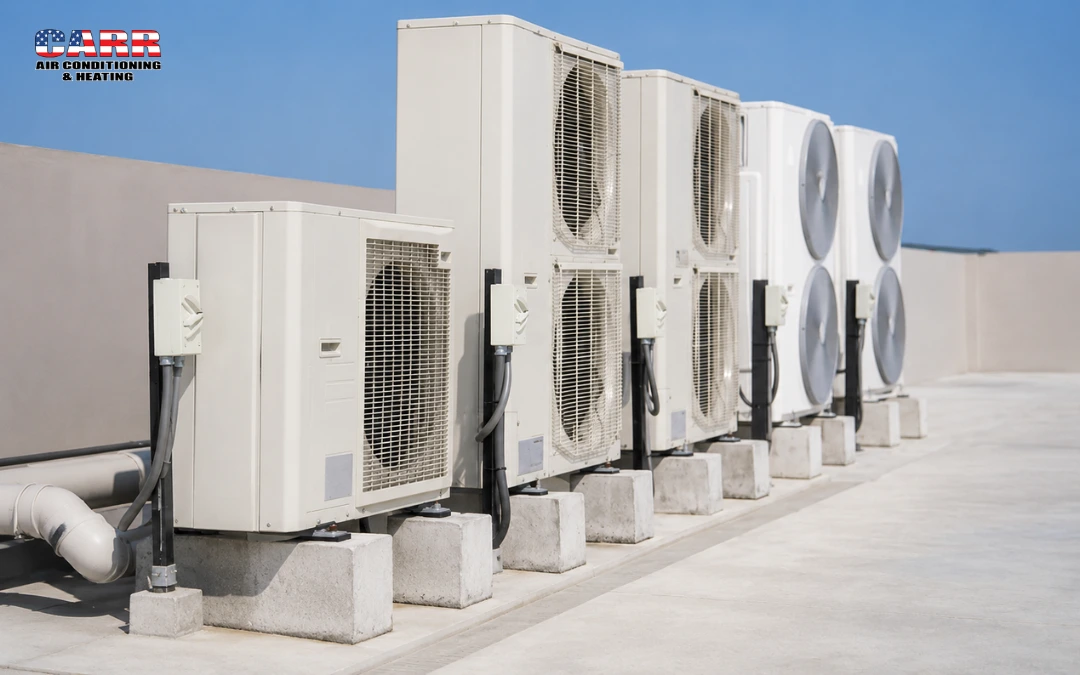
    How salt air affects your AC unit in coastal Florida

    1. How Salt Air Affects Your AC’s Metal Parts

    Your outdoor condenser is built mostly from metal: aluminum fins, copper coils, a steel cabinet, and electrical components. Salt in the air settles on these surfaces and speeds up corrosion. Over time, corroded coils transfer heat less effectively, fins break down, and electrical connections weaken. A unit that might last 12 to 15 years inland can wear out years sooner right on the coast.

    2. Signs Salt Air Is Damaging Your Unit

    Watch for rust or a white, chalky buildup on the outdoor cabinet, bent or crumbling aluminum fins, and corrosion around electrical connections. You may also notice your system working harder, cooling less effectively, or running up your energy bill as corroded coils lose efficiency. If you spot any of these, it is worth having the unit inspected.

    3. Rinse Your Outdoor Unit Regularly

    One of the easiest ways to fight back is to gently rinse your outdoor condenser with fresh water every few weeks during the warm months. This washes away salt buildup before it can settle in and corrode. Use a gentle stream from a garden hose, never a pressure washer, which can bend the delicate fins. Always turn the unit off at the breaker first.

    4. Keep Up With Professional Coil Cleaning

    A rinse helps on the surface, but coastal units benefit from regular professional coil cleaning to remove the salt and grime that build up deeper in the system. Clean coils run more efficiently and last longer. You can learn more about routine AC maintenance and how often coastal systems should be serviced.

    5. Service Coastal Units More Often

    Inland systems usually do fine with one tune-up a year. If you live near the beach, two visits a year is a smart move. More frequent maintenance lets a technician catch corrosion early, clean the coils, and protect electrical components before salt does lasting damage. Once you understand how salt air affects your AC, this extra care is an easy decision that pays for itself in efficiency and a longer system life.

    6. Choose Corrosion-Resistant Options When You Replace

    If your current unit is heavily corroded, repairs may only buy a little time. When it is time for a new system, ask about coastal or corrosion-resistant models with protective coil coatings designed for salt-air environments. These units cost a bit more upfront but hold up far better near the water. Not sure if it is time? Our guide on the signs you need a new AC system can help.

    How to Protect Your AC From Salt Air Year-Round

    To get the most life out of a system near the water:

    • Rinse the outdoor unit with fresh water regularly
    • Schedule professional maintenance twice a year
    • Keep up with coil cleaning
    • Watch for early signs of rust and corrosion
    • Choose corrosion-resistant equipment when you replace

    For more on keeping your system efficient, the U.S. Department of Energy offers helpful guidance on central air conditioning maintenance.

    Protect Your Coastal AC with Carr Air Conditioning

    Knowing how salt air affects your AC is the first step; acting on it is what saves you money. Carr Air Conditioning helps homeowners in Clearwater, Dunedin, Palm Harbor, and nearby beach communities keep their systems running strong with coastal maintenance, coil cleaning, and corrosion-resistant installation and replacement options.

    Call us today at (727) 447-7212 to schedule coastal AC service.

  • Hurricane / Storm-Season AC Prep

    How to Prepare Your AC for Hurricane Season in Florida

    Learning how to prepare your AC for hurricane season can save you from a costly breakdown when a storm hits. Here on Florida’s Gulf Coast, hurricane season runs from June through November, and your air conditioner is one of the most expensive and most vulnerable systems in your home. A little preparation now protects your equipment, keeps your family comfortable, and helps you avoid an emergency repair at the worst possible time.

    Florida’s heat and humidity already push AC systems hard all summer long. Add high winds, flooding, lightning, and power surges to the mix, and an unprepared system can fail right when you need it most. The good news is that it is simple to prepare your AC for hurricane season once you know what to do.

    How to prepare your AC for hurricane season in Florida

    1. Schedule a Pre-Storm Tune-Up

    The single best thing you can do is head into hurricane season with a healthy system. A professional tune-up checks refrigerant levels, electrical connections, and drainage so small problems get caught before a storm turns them into big ones. A well-maintained unit is far less likely to fail under the extra strain of a storm. You can review our seasonal maintenance checklist to see what a full service covers.

    2. Install Surge Protection for Your AC

    Lightning strikes and power surges are some of the most common causes of storm-related AC damage. A surge can instantly destroy your compressor and control board, the two most expensive parts to replace. A whole-home surge protector, or a dedicated unit for your HVAC system, is an inexpensive safeguard that can save you thousands. Ask us about adding surge protection before the season ramps up.

    3. Clear the Area Around Your Outdoor Unit

    High winds can turn loose objects into projectiles that dent or puncture your condenser. Before a storm, remove patio furniture, potted plants, tools, and debris from around the outdoor unit, and trim back any branches that could fall on it. Keeping the area clear also helps your system breathe and run efficiently during normal use.

    4. Turn Off Your AC Before the Storm Hits

    If a major storm or hurricane is bearing down, switch your AC off at the thermostat and the breaker. Running your system during a storm exposes it to power surges and lets it draw in moisture and debris. Shutting it down ahead of time is one of the easiest ways to prevent electrical damage.

    5. Protect Against Flooding

    If your outdoor unit sits low or your area is prone to flooding, talk to us about raising it on a pad or platform. Floodwater can ruin electrical components and contaminate the system. For homes near the water, this small step can be the difference between a quick restart and a full replacement after a storm.

    6. Know What to Do After the Power Comes Back

    Do not rush to turn your AC back on the moment power returns. Wait a few minutes to let the electrical supply stabilize, then turn the system on at the breaker and thermostat. If you notice strange noises, weak airflow, or the unit will not start, shut it off and call for service rather than forcing it. If your system took on water or a direct hit, have it inspected before running it. Our AC repair team can check it out and get you cooling again safely.

    Your Checklist to Prepare Your AC for Hurricane Season

    Before the next storm, make sure you have:

    • Scheduled a pre-storm tune-up
    • Installed surge protection
    • Cleared debris from around the outdoor unit
    • Trimmed nearby branches
    • A plan to shut the system down safely
    • Elevated the unit if you are in a flood-prone area

    For an authoritative checklist on overall storm readiness, the federal government’s hurricane preparedness guide is a great resource.

    Schedule Your Pre-Storm AC Tune-Up with Carr Air Conditioning

    The best time to prepare your AC for hurricane season is before the first storm forms. Carr Air Conditioning helps homeowners across Clearwater, Dunedin, Palm Harbor, and the surrounding Gulf Coast get their systems storm-ready, from tune-ups and surge protection to full system replacements. We can also help if you are weighing an upgrade with our AC installation and replacement services.

    Call us today at (727) 447-7212 to schedule your pre-storm AC tune-up.

  • 7 Clear Signs You Need a New AC System in Florida

    Knowing the signs you need a new AC system can save you from unexpected breakdowns, high energy bills, and uncomfortable Florida summers. While many AC issues can be repaired, there comes a point when replacement is the smarter, more cost‑effective choice. This hybrid guide combines expert insight with a simple checklist to help you determine whether it’s time to upgrade your cooling system.

    Florida’s heat and humidity put extra strain on HVAC systems, meaning AC units here often wear out faster than in other parts of the country. If you’ve noticed performance issues, rising utility bills, or frequent repairs, your system may be nearing the end of its lifespan.

    1. Your AC System Is More Than 10–12 Years Old

    Most AC systems last around 10–12 years in Florida due to heavy usage. If your unit is approaching or past this age, it’s one of the strongest signs you need a new AC system. Older units lose efficiency, require more repairs, and struggle to keep up with summer temperatures.

    2. Frequent and Costly Repairs

    If you’re calling for AC repair multiple times a year, replacement may be more cost‑effective. A good rule of thumb: if a repair costs more than 30% of the price of a new system, replacement is the smarter investment.

    Learn more about repair options here: AC Repair Services.

    3. Rising Energy Bills

    A sudden increase in your electric bill often means your AC is losing efficiency. Older systems must work harder to cool your home, especially during Florida’s peak summer months. According to the U.S. Department of Energy, upgrading to a high‑efficiency system can significantly reduce cooling costs (source).

    4. Weak Airflow or Hot Spots in Your Home

    If certain rooms never seem to cool properly, or if airflow feels weak even after filter changes, your AC may be failing. This can indicate compressor issues, duct problems, or declining system performance — all common signs you need a new AC system.

    5. Strange Noises or Odors

    Grinding, rattling, buzzing, or burning smells are red flags. While some issues can be repaired, persistent noises or odors often signal failing components. If your system sounds or smells unusual, it may be nearing the end of its lifespan.

    6. Excessive Humidity Indoors

    Your AC should remove moisture from the air. If your home feels sticky, muggy, or damp, your system may be struggling to dehumidify properly. This is especially common in older units and is one of the most overlooked signs you need a new AC system.

    7. Your Home Never Reaches the Set Temperature

    If your AC runs constantly but still can’t cool your home, the system may be undersized, failing, or losing efficiency. Florida’s extreme heat exposes weak systems quickly — and if your AC can’t keep up, replacement is often the only solution.

    When Repairs Aren’t Enough

    While repairs can extend the life of your AC, they’re not always the best long‑term solution. If you’re experiencing multiple signs from this list, replacing your system can provide:

    • Lower monthly energy bills
    • Better indoor comfort
    • Improved humidity control
    • Quieter operation
    • Stronger airflow
    • Better indoor air quality
    • Higher home value

    Newer systems also use modern refrigerants, advanced compressors, and smart thermostat compatibility — all of which improve performance and efficiency.

    Benefits of Replacing Your AC System in Florida

    Florida homeowners benefit more from AC replacement than almost anywhere else in the country. A new system can reduce cooling costs, improve comfort, and handle the extreme humidity that older units struggle with.

    For more information on installation options, visit our AC Installation & Replacement page.

    Schedule Your AC Replacement Consultation with Carr Air Conditioning

    If you’re noticing several of these signs you need a new AC system, it may be time to explore replacement options. Carr Air Conditioning provides expert AC installation, repair, and maintenance throughout Clearwater, Dunedin, Palm Harbor, and surrounding areas.

    Call us today at (727) 447‑7212 to schedule your free AC replacement consultation.
  • What to Do After a Duke Energy Home Energy Audit

    A Duke Energy home energy audit gives you a detailed look at how your Florida home uses and loses energy. But once the audit is complete, many homeowners aren’t sure what to do next or which improvements will make the biggest impact on comfort and energy bills.

    For homeowners in Clearwater, Dunedin, and throughout Pinellas County, the audit provides valuable insight — but the real benefit comes from turning those findings into a clear action plan.

    What a Duke Energy Home Energy Audit Reveals

    Your audit report may include findings related to HVAC performance, ductwork, insulation, air leaks, or general energy usage. Understanding how these pieces work together helps you prioritize improvements that actually improve comfort and reduce energy waste.

    5 Steps to Take After a Duke Energy Home Energy Audit

    Once you receive your results, the next step is deciding which improvements matter most. Here are the five most important steps to take after your audit.

    1. Review and Understand the Audit Results

    Duke Energy’s Home Energy Check evaluates how your home uses and loses energy. After the inspection, you receive a list of findings and recommended improvements — some simple, some more involved.

    Your home works as a system. HVAC equipment, ductwork, insulation, windows, and air leaks all affect comfort and efficiency. If one part is underperforming, the entire home can feel less comfortable and cost more to cool.

    2. Don’t Start With the Biggest Recommendation

    It’s tempting to start with the largest recommendation, but that’s not always the smartest move. For example, insulation upgrades may help — but if your ducts are leaking, your AC will still struggle. Replacing HVAC equipment may improve performance — but if the home is leaking air, even a new system may run longer than it should.

    The best approach is to prioritize improvements based on what affects comfort, efficiency, and system performance the most.

    3. Focus on HVAC Findings First

    In Florida, HVAC performance is one of the biggest drivers of energy use. Your AC system cools the home, removes humidity, and circulates air. When it’s not operating efficiently, the impact shows up quickly on your energy bill.

    If your audit mentions airflow issues, duct leakage, or inconsistent temperatures, those findings should be addressed early. These issues often explain why some rooms feel warmer, why your system runs longer, or why your energy bills have increased. For more insight, see Why Is My Energy Bill So High in Florida?

    4. Address Ductwork Problems Identified in the Audit

    Ductwork issues are one of the most common findings in a Duke Energy home energy audit. Even if your AC system is running properly, leaky or unbalanced ducts can waste cooled air before it reaches your living spaces.

    Duke Energy’s rebate programs have historically included duct testing and repair for eligible customers. If your audit identifies duct leakage or poor airflow, this is often one of the most cost‑effective improvements you can make.

    5. Improve Air Sealing and Insulation

    Air leaks and insulation issues force your AC system to work harder. If cooled air escapes through the attic or gaps around doors and fixtures, your system must replace that lost comfort. At the same time, hot, humid air may enter the home — increasing cooling demand.

    These issues are especially common in older homes throughout Clearwater and Dunedin. Addressing them can significantly improve comfort and reduce energy waste.

    Use the Audit to Avoid Guesswork

    Without an audit, homeowners often guess at solutions — lowering the thermostat, adding insulation, or assuming they need a new AC system. Sometimes these help, but sometimes they don’t address the real cause.

    Your audit helps narrow the focus so you can make informed decisions instead of trial‑and‑error upgrades.

    Check Which Improvements Qualify for Rebates

    Duke Energy’s Home Energy Improvement program includes rebates for certain qualifying upgrades. Customers must complete a Home Energy Check before qualifying for any rebates.

    Before moving forward, confirm current rebate requirements, eligible improvements, and documentation needed. Program details can change, and not every recommendation automatically qualifies.

    To learn more about the program itself, see What Is the Duke Energy Home Energy Audit Program?

    Know Which Items Require a Professional

    Some recommendations — like changing filters or sealing small gaps — are simple homeowner tasks. Others require a professional evaluation, including:

    • Duct testing
    • HVAC performance evaluation
    • Airflow balancing
    • Refrigerant issues
    • Drain line problems
    • System efficiency concerns

    Why Local Experience Matters

    Homes in Pinellas County face unique challenges: high humidity, long cooling seasons, attic heat, older duct systems, and coastal conditions. A recommendation that looks simple on paper may need to be evaluated through the lens of Florida’s climate.

    Working with a local HVAC professional ensures your improvements are tailored to how Florida homes actually perform.

    Turn Your Audit Into an Action Plan

    The goal after a Duke Energy home energy audit isn’t to fix everything at once — it’s to create a practical plan. Start with the issues that have the biggest impact on comfort and energy use: HVAC condition, ductwork, airflow, and major air leakage.

    Once those items are addressed, the rest of the recommendations become easier to prioritize.

    The Bottom Line

    A Duke Energy home energy audit gives you valuable insight into your home’s performance. But the next step is what truly matters. Turning the findings into a smart action plan helps improve comfort, reduce energy waste, and extend the life of your HVAC system.

    For more guidance, explore related resources:

    Schedule Your Post‑Audit HVAC Evaluation

    If your audit revealed HVAC, ductwork, or airflow issues, our certified technicians can help you take the next step. Call (727) 447‑7212 or schedule service online.

  • What Is a Duke Energy Blower Door Test?

    What Is a Duke Energy Blower Door Test and Why Does It Matter?

    If your home feels harder to cool than it should, or your energy bills keep rising without a clear explanation, the issue may not be your air conditioner alone.

    For many homeowners in Clearwater, Dunedin, and across Pinellas County, comfort problems are often tied to how well the home holds conditioned air. Even a strong HVAC system can struggle if cooled air escapes through gaps, leaks, or weak spots in the home.

    That is where a blower door test can help.

    A blower door test is commonly used during professional energy assessments to measure how airtight a home is. Duke Energy offers residential energy assessment options in Florida, including its free Home Energy Check, and also describes a blower door test as part of its Home Energy House Call Plus service to help pinpoint air leaks.

    What Is a Blower Door Test?

    A blower door test is a diagnostic test that helps identify air leakage in a home.

    During the test, a powerful fan is temporarily installed in an exterior doorway. The fan changes the pressure inside the home, which makes it easier to find areas where outside air is leaking in or conditioned air is escaping out.

    The U.S. Department of Energy explains that professional energy assessors use blower door testing to determine a home’s airtightness and identify air leakage that can affect energy use and comfort.

    In simple terms, the test helps answer an important question:

    How much air is your home losing?

    For Florida homeowners, that matters because every bit of cooled air that escapes has to be replaced. Your HVAC system then has to work longer and harder to keep the home comfortable.

    Why Air Leaks Matter in Florida Homes

    Air leaks are a problem in any climate, but they are especially important in Florida.

    Homes in Pinellas County deal with heat, humidity, and long cooling seasons. When outside air enters the home, your AC system has to cool that air and remove moisture from it. That creates extra work for the system and can make the home feel less comfortable.

    Air leakage can show up in several ways. Some homeowners notice warm rooms, humidity issues, or higher electric bills. Others feel like their AC runs all day but never quite gets the home comfortable.

    In many cases, the HVAC system is only part of the story. The home itself may be allowing too much air to move in and out.

    How Air Leaks Affect Your HVAC System

    Your air conditioning system is designed to cool the air inside your home. When air leaks are present, that job becomes much harder.

    Cooled air may escape into the attic, garage, or outside. At the same time, hot and humid outdoor air may enter through gaps around windows, doors, attic openings, recessed lights, plumbing penetrations, or other weak points.

    This creates a cycle where the HVAC system keeps working, but the home keeps losing comfort.

    Over time, that can lead to longer run times, higher energy use, uneven temperatures, and added wear on the equipment. Even if the system is properly sized and maintained, air leaks can make it seem like the AC is not performing well.

    What Homeowners Learn From a Duke Energy Blower Door Test

    The value of a blower door test is that it helps make hidden problems visible.

    Instead of guessing where air is escaping, the test helps identify areas that may need attention. That gives homeowners a clearer understanding of why their home feels uncomfortable or inefficient.

    For example, a homeowner may assume they need a larger AC system because the house feels warm. But after testing, the bigger issue may be air leakage or poor sealing. In that case, improving the home’s envelope may help the existing HVAC system perform better.

    This is one reason energy audits can be helpful before making major comfort or efficiency decisions.

    The Connection Between Blower Door Testing and High Energy Bills

    High energy bills are one of the main reasons homeowners start looking into energy audits.

    If your electric bill keeps rising, it is easy to blame the AC system right away. Sometimes that is correct. Dirty coils, low refrigerant, poor airflow, aging equipment, and drainage issues can all increase energy use.

    But if the home is leaking air, the system may be fighting a problem it cannot solve on its own.

    A blower door test helps separate HVAC performance issues from home envelope issues. That distinction matters because the right solution depends on the actual cause.

    Why This Matters in Clearwater, Dunedin, and Pinellas County

    Many homes in Clearwater, Dunedin, and nearby communities were built or remodeled over different periods of time. Some homes have older ductwork, attic spaces, room additions, window changes, or building gaps that affect how well the home holds conditioned air.

    Florida homes also face high humidity, which makes air leakage more than just a temperature issue.

    When humid outdoor air enters the home, it can make indoor air feel sticky even when the thermostat says the temperature is low. That often causes homeowners to lower the thermostat, which increases energy usage without fully solving the comfort problem.

    A blower door test can help identify whether uncontrolled air leakage is part of the issue.

    How This Supports Better HVAC Decisions

    A blower door test does not replace HVAC service. It complements it.

    HVAC maintenance helps ensure your system is operating properly. A blower door test helps show whether the home is making that system work harder than necessary.

    Together, those insights can help homeowners make smarter decisions. Instead of guessing, you can better understand whether the issue is related to equipment performance, airflow, ductwork, insulation, air sealing, or a combination of factors.

    That can prevent unnecessary repairs, premature replacement decisions, or repeated comfort problems that never get fully resolved.

    Why Working With a Local HVAC Professional Helps

    After an energy audit or blower door test, many homeowners are left wondering what to do next.

    The report may identify air leaks, duct concerns, or efficiency opportunities, but the next step is understanding which items matter most for comfort and HVAC performance.

    That is where working with a local HVAC contractor can help.

    A contractor familiar with Florida homes can review how the audit findings relate to your AC system, ductwork, airflow, humidity control, and overall comfort. For Carr Air Conditioning customers, this is especially relevant because Carr works with Duke Energy as part of the program and understands how energy efficiency improvements connect back to HVAC performance.

    The Bottom Line

    A Duke Energy blower door test can be a valuable tool for Florida homeowners who want to better understand comfort issues, high energy bills, and air leakage.

    It helps identify where conditioned air may be escaping and where hot, humid outdoor air may be entering the home. In a climate like Pinellas County, that can have a major impact on how hard your HVAC system has to work.

    If your home feels uncomfortable, your AC runs constantly, or your energy bills seem higher than they should be, a blower door test can provide useful answers.

    From there, the right HVAC guidance can help turn those findings into practical next steps for better comfort, efficiency, and long-term system performance.

  • Why Is My Energy Bill So High in Florida?

    If you live in Clearwater, Dunedin, or anywhere in Pinellas County, you’ve probably had at least one month where your energy bill made you stop and look twice.

    In Florida, higher electric bills are common, especially as temperatures rise. But that doesn’t mean every increase is normal or unavoidable. Many homeowners assume their bill is high simply because “it’s hot outside,” but the real cause is often more specific.

    Your HVAC system, ductwork, insulation, thermostat settings, airflow, and humidity levels all play a role in how much energy your home uses. When one part of that system is not working efficiently, your AC has to work harder to keep the home comfortable.

    Over time, that extra strain shows up on your monthly bill.

    Why Florida Energy Bills Rise So Quickly

    Florida homes face a unique challenge. Air conditioners here do more than cool the air. They also remove moisture from the home.

    That matters because humidity makes your home feel warmer than the actual temperature. When indoor humidity is high, homeowners often lower the thermostat to feel more comfortable. The system then runs longer, uses more energy, and still may not solve the comfort issue completely.

    In Pinellas County, this becomes especially noticeable in spring and summer. Once the weather shifts, your AC may go from running occasionally to running most of the day. If the system is clean, properly maintained, and moving air well, that increase may be manageable. If there are underlying problems, your bill can climb quickly.

    Your HVAC System Is Often the Biggest Factor

    For most Florida homeowners, the HVAC system is one of the largest energy users in the home. That means even small efficiency problems can have a noticeable impact.

    An older system may need more time and energy to cool the same space. A poorly maintained system may run longer than necessary. Dirty coils, restricted airflow, clogged filters, low refrigerant, and worn components can all cause the system to work harder.

    The frustrating part is that the system may still appear to be working. Cool air may still come out of the vents. The home may still reach the temperature on the thermostat. But if it takes longer to get there, or the system has to run constantly to maintain it, energy use goes up.

    That is why high energy bills are often an early sign that something in the HVAC system needs attention.

    Dirty Filters and Poor Airflow Can Cost More Than You Think

    Airflow is one of the most overlooked causes of high energy bills.

    When air cannot move freely through the system, your AC has to work harder to push conditioned air through the home. A dirty air filter is one of the simplest examples. As the filter becomes clogged, airflow becomes restricted. The system has to run longer, comfort becomes less consistent, and energy use increases.

    Blocked vents, closed interior doors, dirty coils, and duct restrictions can create similar problems.

    In homes throughout Clearwater and Dunedin, airflow issues are especially common because many homes have been remodeled, expanded, or updated over time. The HVAC system may not always be perfectly balanced for how the home is used today.

    When airflow is off, some rooms may feel comfortable while others stay warm or humid. That often leads homeowners to lower the thermostat, which increases energy use even more.

    Duct Leaks Can Waste Conditioned Air

    Your ductwork plays a major role in energy efficiency. Even if your AC system is running properly, leaky ducts can waste a large amount of cooled air before it ever reaches your living space.

    This is especially important in Florida homes where ducts often run through attics, garages, or other hot areas. If conditioned air escapes into those spaces, the system has to work harder to cool the home.

    Many homeowners never see the duct problem directly. They just notice higher bills, uneven cooling, or rooms that never feel quite right.

    Duct leakage can also pull in hot, humid air from outside the conditioned space. That makes the AC work even harder because now it has to cool and dehumidify extra air that should not be entering the system in the first place.

    Poor Insulation and Air Leaks Add to the Problem

    High energy bills are not always caused by the HVAC system alone. Sometimes the home itself is losing cooled air too quickly.

    Air leaks around doors, windows, attic spaces, recessed lighting, and other openings allow conditioned air to escape and warm air to enter. Poor insulation can make the problem worse, especially during long stretches of hot weather.

    When this happens, your AC may be doing its job, but the home cannot hold the comfort it creates. The system cycles more often, runs longer, and uses more electricity.

    This is where energy audits, including programs like the Duke Energy audit, can be helpful. They can identify areas where the home may be losing energy and help homeowners better understand what improvements may make the biggest difference.

    Humidity Makes Your AC Work Harder

    Humidity is one of the biggest reasons Florida energy bills can feel unpredictable.

    When humidity levels are high, your AC has to remove moisture from the air before the home feels comfortable. If the system is oversized, poorly maintained, or not running properly, it may cool the home without removing enough humidity.

    That creates a frustrating situation. The thermostat says the home is cool, but the air still feels sticky or uncomfortable. Many homeowners respond by lowering the thermostat a few degrees.

    That may help temporarily, but it also increases energy use.

    Proper HVAC maintenance helps the system cool and dehumidify more effectively. When the system is clean, draining properly, and moving air correctly, it can do a better job controlling both temperature and moisture.

    Thermostat Habits Can Drive Bills Up

    Your thermostat settings also play a role in monthly energy costs.

    In Florida, constantly lowering the thermostat during hot afternoons can cause the system to run for long periods. Large temperature swings are especially inefficient because the AC has to work harder to catch up.

    A consistent setting usually works better than frequent manual adjustments. Smart thermostats can also help, but only if they are programmed correctly and paired with a system that is working efficiently.

    If your thermostat is old, inaccurate, or placed in a poor location, it may not read the home’s temperature correctly. That can cause the system to run too long or shut off before the whole home is comfortable.

    Drain Line Issues Can Affect Performance Too

    Drain line problems are another Florida-specific issue that can affect comfort and system reliability.

    As your AC removes humidity from the air, that moisture drains through the condensate line. When the line starts to clog, the system may shut down or struggle to manage moisture properly.

    Even before a full clog happens, drainage issues can contribute to inconsistent performance. In a humid climate like Pinellas County, keeping the drain line clear is an important part of protecting the system and maintaining comfort.

    This is one reason spring maintenance is so valuable. It gives homeowners a chance to catch drainage issues before peak cooling season.

    When a High Energy Bill Means You Should Schedule Service

    A single high bill does not always mean something is wrong. Weather changes, usage patterns, and utility rates can all affect monthly costs.

    But if your bill keeps rising and your comfort is not improving, it is worth taking a closer look.

    You should consider an HVAC inspection if your system runs constantly, rooms feel uneven, humidity feels high, or your home takes longer than usual to cool down. These are signs that the system may be working harder than it should.

    For homeowners in Clearwater, Dunedin, and throughout Pinellas County, catching these issues early can help prevent bigger repairs later.

    The Bottom Line

    High energy bills in Florida are common, but they should not be ignored.

    Your HVAC system is at the center of home comfort and energy use. When airflow, ductwork, insulation, humidity control, or maintenance are off, the system has to work harder. That extra work often shows up as higher monthly bills.

    The good news is that many of these issues can be identified and corrected before they become major problems.

    If your energy bill has increased and your home still does not feel as comfortable as it should, a professional HVAC evaluation can help pinpoint what is happening and give you a clearer path forward.

  • What Is the iFlo AC Drain Line System (and Is It Worth It for Florida Homes?)

    What Is the iFlo AC Drain Line System (and Is It Worth It for Florida Homes?)

    If you own a home in Clearwater, Dunedin, or anywhere in Pinellas County, there’s a good chance you’ve either dealt with an AC drain line clog — or will at some point.

    It’s one of the most common HVAC issues in Florida. The system shuts off unexpectedly, water backs up, or you notice something just isn’t working right. In most cases, it traces back to one thing: a clogged condensate drain line.

    That’s where preventative solutions like the iFlo AC drain line system come into the conversation.

    But what exactly is it, and does it actually make a difference?

    Why Drain Line Problems Are So Common in Florida

    Before talking about iFlo specifically, it helps to understand why this issue shows up so often.

    Your air conditioning system doesn’t just cool your home — it also removes moisture from the air. In Florida’s humid climate, that means your system is constantly producing condensation.

    That moisture flows through the drain line every time the AC runs. Over time, the inside of that line becomes a damp environment where buildup can form. Once enough material collects, it can slow or block the flow completely.

    This is why homeowners in Pinellas County often deal with repeat clogs, especially as the weather warms up.

    What the iFlo System Is Designed to Do

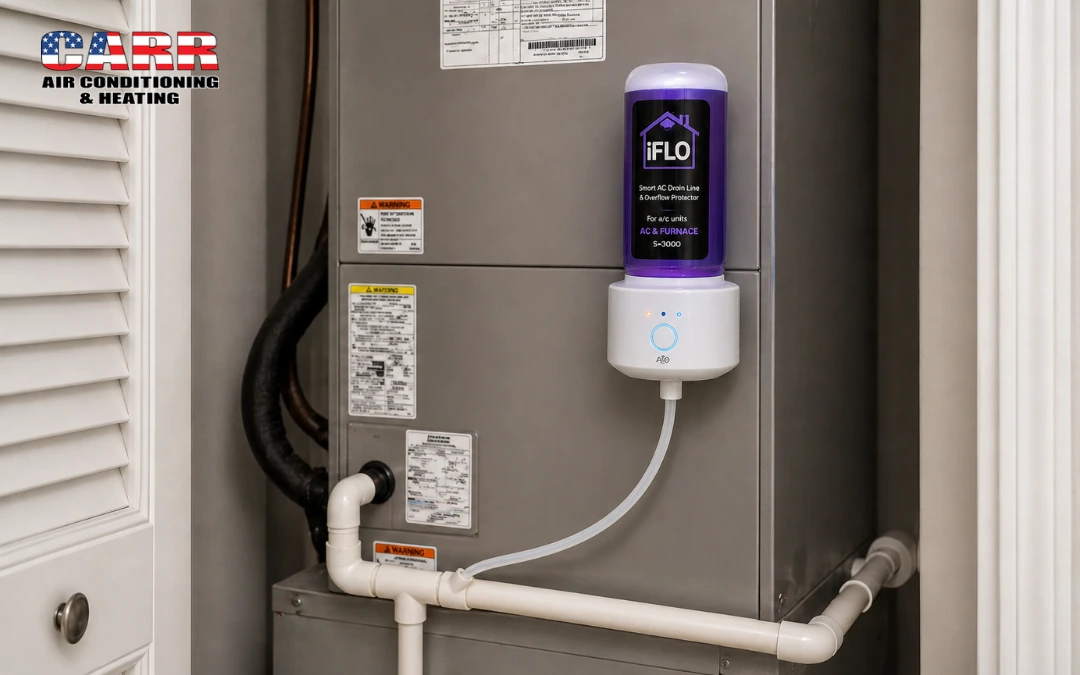
    The iFlo system is designed to help prevent that buildup from forming in the first place.

    Instead of waiting for a clog to develop and then clearing it out, iFlo works as a preventative solution. It’s installed directly into your HVAC system and helps keep the drain line cleaner over time.

    The goal isn’t just to fix a problem — it’s to reduce the likelihood of that problem happening again.

    How It Fits Into Your HVAC System

    The system integrates into your existing setup and works alongside normal system operation. As your AC runs and removes moisture, the iFlo system helps maintain cleaner conditions inside the drain line.

    This makes it easier for water to flow through the line without restriction, which is key to preventing the kinds of blockages that lead to shutdowns or overflow issues.

    For homeowners, it’s something that works in the background without requiring constant attention. Preventative solutions like this are often recommended by trusted HVAC professionals at Carr Air Conditioning.

    Why Homeowners Consider Preventative Solutions

    Most homeowners only start thinking about solutions like iFlo after dealing with a clog more than once.

    The frustration usually isn’t just the clog itself — it’s the disruption that comes with it. Losing cooling during a warm day, dealing with water buildup, or having to schedule repeat service calls adds up quickly.

    Preventative systems are designed for homeowners who want to avoid that cycle altogether.

    Is It Worth It for Florida Homes?

    In climates like Clearwater and Dunedin, where humidity is high and AC systems run frequently, preventative solutions tend to make more sense than in drier parts of the country.

    Because your system is constantly producing moisture, the conditions that cause buildup are always present. That’s why drain line issues tend to repeat if nothing changes.

    For many homeowners, the value comes from:

    • Fewer unexpected system shutdowns
    • Reduced risk of water-related issues
    • More consistent system performance
    • Less need for reactive service calls

    It’s less about solving a one-time problem and more about maintaining reliability over time.

    How It Works Alongside Regular Maintenance

    It’s important to understand that systems like iFlo don’t replace routine HVAC maintenance — they complement it.

    Regular service is still important for checking overall system performance, airflow, and components. Preventative drain line solutions simply add another layer of protection in an area that commonly causes problems.

    Together, they create a more complete approach to system care.

    When It Makes the Most Sense to Consider

    Not every homeowner needs a preventative system right away. However, there are certain situations where it makes more sense.

    If you’ve experienced repeated drain line clogs, system shutdowns due to drainage issues, or water buildup near your unit, it may be worth considering a more proactive solution.

    Homes in Pinellas County that run their AC frequently or have higher humidity levels tend to benefit the most.

    A More Reliable Way to Protect Your System

    At the end of the day, drain line clogs are one of those issues that are easy to overlook until they become a problem.

    Taking a preventative approach helps remove that uncertainty. Instead of wondering when the next clog might happen, you’re putting something in place to reduce the chances of it happening at all.

    For many homeowners, that peace of mind is the biggest benefit.

    FAQs

    Q1: What is the iFlo AC drain line system?
    Ans: It’s a preventative solution installed in your HVAC system that helps reduce buildup inside the drain line and lower the risk of clogs over time.

    Q2: Does the iFlo AC drain line system stop clogs completely?
    Ans: No system can guarantee complete prevention, but the iFlo AC drain line system significantly reduces the chances of clogs when used alongside regular maintenance.

    Q3: Is the iFlo AC drain line system worth it for Florida homes?
    Ans: In humid climates like Florida, where AC systems run frequently, it can help improve reliability and reduce recurring drain line issues.

    Q4: Do I still need HVAC maintenance with the iFlo system?
    Ans: Yes, regular maintenance is still essential. The iFlo system works as an added layer of protection, not a replacement for routine service.

    The Bottom Line

    The iFlo AC drain line system is designed to address one of the most common HVAC issues homeowners face — not by reacting to it, but by helping prevent it.

    In a climate where moisture is constant and systems run frequently, that kind of preventative approach can make a noticeable difference in how reliably your HVAC system performs.

    If you’ve dealt with drain line issues before or want to stay ahead of them, taking a proactive approach can make all the difference. You can contact our team to explore the best solution for your system and avoid unexpected problems in the future.

  • Is 72 Degrees a Good Temperature for Heat in a Florida Winter?

    Is 72 Degrees a Good Temperature for Heat in a Florida Winter?

    When winter temperatures dip into the 40s across Clearwater, Dunedin, and throughout Pinellas County, many homeowners start asking the same question:
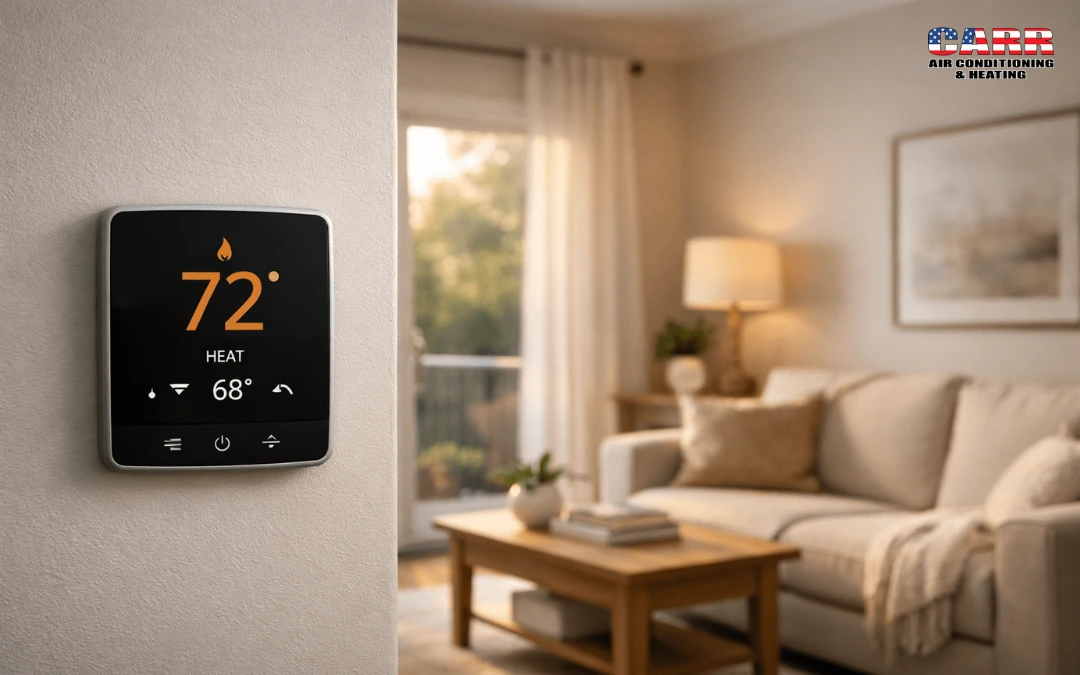
    Is 72 degrees a good temperature for heat during a Florida winter?

    For many homes, 72 degrees feels comfortable and works well during colder weather. However, the ideal setting depends on several factors, including your home’s insulation, airflow, heating system, and how evenly warmth is distributed throughout the house.

    Understanding how these factors affect comfort can help homeowners maintain better efficiency while avoiding unnecessary strain on their HVAC system.


    Why Heating in Florida Works Differently

    Heating a home in Florida is very different from heating a home up north. Most homes in Pinellas County are designed with cooling as the priority, not extended winter heating. That means lighter insulation, more open layouts, and systems designed to remove heat efficiently during long, hot summers.

    Because of this, heating systems in Florida are typically used for shorter periods and in milder conditions. When cooler weather arrives, those differences can affect how comfortable your home feels, even if the thermostat setting seems reasonable.

    Is 72 Degrees a Good Heat Setting?

    For many Pinellas County homeowners, 72 degrees is a comfortable and reasonable place to start. If your home warms evenly, your system runs steadily, and your energy bills stay predictable, there’s usually no reason to change it.

    However, some homeowners find that even at 72 degrees, certain rooms still feel chilly or that the system seems to run longer than expected. In those cases, the issue usually isn’t the number on the thermostat, it’s how the home and system are working together.


    How Heat Pumps Perform During Cold Weather

    Most homes in Clearwater, Dunedin, and surrounding areas rely on heat pumps rather than traditional furnaces. Heat pumps work differently by pulling heat from outdoor air and transferring it inside, even when it feels cold outdoors.

    During colder Florida mornings, it’s normal for a heat pump to run longer or operate at a lower, steadier output. Unlike gas furnaces, heat pumps don’t blast hot air quickly. This can sometimes make homeowners think the system isn’t working properly when, in reality, it’s operating exactly as designed.

    Making large temperature jumps on the thermostat, such as going from the high 60s to the mid-70s, can actually reduce efficiency and put unnecessary strain on the system.

    Comfort Matters More Than the Exact Number

    Instead of focusing on whether 72 degrees is “right,” it’s more helpful to pay attention to how your home actually feels.

    If the temperature is consistent from room to room, the air feels comfortable, and your system cycles normally, your setting is likely fine. When homeowners experience uneven heating, cold bedrooms, or constant adjustments to the thermostat, those are signs that something else may need attention.

    In many Pinellas County homes, airflow problems or duct issues play a major role in winter comfort.

    Why Some Homes Feel Cold Even at 72 Degrees

    When a home doesn’t feel comfortable at an otherwise reasonable setting, ductwork and airflow are often the culprit. Leaky ducts, restricted airflow, or systems designed primarily for cooling can prevent warm air from reaching all areas of the home evenly.

    Thermostat accuracy can also be a factor. Older thermostats or poorly placed controls may not accurately reflect the true temperature in your living space, leading to discomfort even when the system is running correctly.

    These are common issues in Florida homes and often go unnoticed until cooler weather highlights them.

    Should You Adjust the Temperature at Night?

    Many homeowners wonder whether they should lower the heat at night. In most Florida homes, a slight adjustment is fine, but drastic changes aren’t recommended.

    Lowering the thermostat a few degrees overnight can improve comfort and efficiency, but turning the system off entirely during cold snaps often forces it to work harder in the morning. Gradual adjustments help heat pumps perform more efficiently and reduce wear on system components.

    What Temperature Is Best for Efficiency?

    For most homes in Clearwater and Dunedin, maintaining a steady temperature between the upper 60s and low 70s delivers a good balance of comfort and efficiency during winter months. Avoiding frequent manual changes and allowing the system to maintain a consistent setting typically produces better results than constant adjustments.

    True efficiency, however, depends far more on system condition, airflow, and maintenance than on a single thermostat number.

    Why Winter Is a Good Time for HVAC Maintenance

    Winter is actually an ideal time to schedule HVAC service in Pinellas County. Heating systems that only run part of the year can develop small issues that go unnoticed until they affect comfort.

    A professional inspection can help ensure your heat pump is operating efficiently, your airflow is balanced, and your system is prepared for the heavier workload that comes with spring and summer. Addressing minor issues now can prevent larger, more expensive problems later.

    Regular HVAC maintenance can help improve efficiency, airflow, and overall winter comfort in Florida homes.

    FAQs

    Is 72 degrees too high for heat in Florida?

    For most Florida homes, 72 degrees is considered a comfortable and reasonable winter temperature. The ideal setting depends on insulation, airflow, and personal comfort preferences.

    Why does my house still feel cold at 72 degrees?

    Uneven airflow, duct issues, poor insulation, or thermostat placement can make certain rooms feel colder even when the thermostat is set correctly.

    Do heat pumps run longer during Florida winters?

    Yes, heat pumps often run longer during colder mornings because they pull heat from outdoor air rather than generating heat directly like furnaces.

    What temperature is most efficient for heating a Florida home?

    Most Florida homeowners find temperatures between the upper 60s and low 70s provide a good balance between comfort and energy efficiency.


    Final Thoughts: Is 72 Degrees Right for You?

    For many Florida homeowners, 72 degrees is a comfortable and efficient temperature during winter. The real factor is how your home responds to that setting. If temperatures stay consistent and your system runs smoothly, you’re likely in a good range.

    However, if certain rooms still feel cold or your system struggles to maintain comfort, the issue may be related to airflow, insulation, or overall HVAC performance rather than the thermostat setting itself.

    Regular HVAC maintenance and proper system performance can make a noticeable difference in both comfort and efficiency during cooler weather. If your home still doesn’t feel comfortable at reasonable thermostat settings, the team at Carr Air Conditioning can help identify the cause and keep your system running efficiently all winter long.

  • Why is My AC Struggling to Blow Cold Air During the Summer?

    Why is My AC Struggling to Blow Cold Air During the Summer?

    As summer temperatures rise across Florida, your air conditioning system works harder to keep your home cool and comfortable. So when your AC suddenly starts blowing warm air or struggles to maintain the right temperature, it can quickly become frustrating.

    Many homeowners notice reduced cooling performance during the hottest months of the year, often without realizing that small HVAC issues can gradually affect airflow and system efficiency over time. In many cases, professional AC repair can help identify these problems before they become more serious.

    If your AC isn’t cooling properly, there are several possible causes behind the problem. Understanding what may be affecting your system can help you address issues early and keep your home comfortable throughout the summer.

    Common Reasons Your AC is Blowing Warm Air

    Clogged Air Filters

    One of the most common causes of an AC system struggling to blow cold air is clogged air filters. Air filters are essential to maintaining indoor air quality by trapping dust, pollen, and other contaminants.

    Over time, these filters can become clogged, restricting airflow and making it difficult for your system to cool your home effectively.

    Solution: Regularly check and replace your air filters every 1-3 months, depending on usage and the type of filter.

    Incorrect Thermostat Settings

    If your thermostat is set to “on” instead of “auto,” the fan will blow air continuously, even when it’s not being cooled.

    Solution: Set your thermostat to “auto” to ensure the fan only blows when the air is being cooled. Additionally, make sure the temperature setting is appropriate for the desired comfort level.

    Frozen Evaporator Coils

    When the evaporator coils in your AC system freeze, it impedes the cooling process. This can happen due to low refrigerant levels, poor airflow, or even a dirty air filter.

    Solution: If you suspect frozen coils, turn off your AC and let the coils thaw. Afterward, check for clogged air filters and consider calling HVAC professionals to inspect for refrigerant leaks or other underlying issues.

    Dirty Condenser Coils

    The condenser coils, located in the outdoor AC unit, release the heat absorbed from your home to the outside. If these coils are not clean or are covered in debris, they can’t effectively release heat, causing your AC to struggle.

    Solution: Regularly clean the area around the outdoor unit and the coils themselves. Professional AC maintenance can ensure a thorough cleaning.

    Refrigerant Leak

    Your air conditioning system relies on refrigerant to absorb heat from the air and provide cooling. A refrigerant leak can severely impact this process, causing your AC to blow warm air.

    Solution: Refrigerant issues require a professional diagnosis and repair. If you suspect a leak, contact an HVAC professional immediately.


    Additional Factors Affecting AC Performance

    Electrical System Issues

    Faulty wiring or issues with the electrical system can prevent your AC from operating correctly. This can cause intermittent cooling problems or complete system failures.

    Solution: Regular electrical inspections and timely repairs can prevent these issues.

    Blocked or Leaky Ductwork

    Ductwork that is blocked or has leaks can result in uneven cooling and reduced efficiency. Air can escape through leaks, and blockages can restrict airflow.

    Solution: Have your ductwork inspected and repaired by a professional to ensure proper airflow.

    Old or Inefficient AC System

    Air conditioners have a typical lifespan of about 10–15 years. If your system is older or has not been maintained properly, it might not be able to keep up with the cooling demands.

    Solution: Consider an AC installation of a new, energy-efficient system if your current one is outdated or inefficient.

    Steps to Prevent AC Issues

    Regular Maintenance

    Scheduled AC maintenance is crucial to keeping your system running efficiently. This includes checking refrigerant levels, cleaning coils, inspecting the electrical system, and ensuring all components are functioning properly.

    Keep the Area Around the Outdoor Unit Clear

    Ensure the outdoor condensing unit has ample space around it for proper airflow. Clear away any debris, plants, or objects that might obstruct its operation.

    Monitor Your AC’s Performance

    Pay attention to any changes in your AC’s performance. If you notice it’s blowing hot air or not cooling effectively, address the issue immediately before it worsens.

    Use a Programmable Thermostat

    A programmable thermostat can help manage the cooling process more efficiently, ensuring your home remains comfortable while optimizing energy use.

    FAQs

    Why is my AC blowing warm air instead of cold air?

    Your AC may blow warm air because of dirty filters, refrigerant leaks, thermostat problems, restricted airflow, or frozen evaporator coils.

    Can a dirty air filter stop my AC from cooling properly?

    Yes. A clogged air filter can restrict airflow and reduce your AC system’s cooling efficiency, especially during hot Florida summers.

    How often should AC filters be replaced?

    Most homeowners should replace air filters every 1–3 months, depending on system usage, indoor air quality, and filter type.

    When should I call a professional for AC repair?

    If your AC continues blowing warm air, has weak airflow, or struggles to maintain temperature, professional HVAC service is recommended.

    Final Thoughts

    Florida summers can place extra strain on your AC system, especially when airflow problems, refrigerant issues, or aging components begin affecting performance. Small issues can quickly become more noticeable during extreme heat.

    Addressing AC problems early can help improve comfort, reduce energy costs, and prevent more expensive repairs later on. Even minor cooling issues can affect how efficiently your system operates throughout the summer.

    If your AC is struggling to blow cold air or maintain consistent temperatures, the team at Carr Air Conditioning can help identify the issue and keep your system running reliably all summer long.