HVAC Tune-up Archives - Carr Air Conditioning HVAC Tune-up Archives - Carr Air Conditioning

Category: HVAC Tune-up

  • Hurricane / Storm-Season AC Prep

    How to Prepare Your AC for Hurricane Season in Florida

    Learning how to prepare your AC for hurricane season can save you from a costly breakdown when a storm hits. Here on Florida’s Gulf Coast, hurricane season runs from June through November, and your air conditioner is one of the most expensive and most vulnerable systems in your home. A little preparation now protects your equipment, keeps your family comfortable, and helps you avoid an emergency repair at the worst possible time.

    Florida’s heat and humidity already push AC systems hard all summer long. Add high winds, flooding, lightning, and power surges to the mix, and an unprepared system can fail right when you need it most. The good news is that it is simple to prepare your AC for hurricane season once you know what to do.

    How to prepare your AC for hurricane season in Florida

    1. Schedule a Pre-Storm Tune-Up

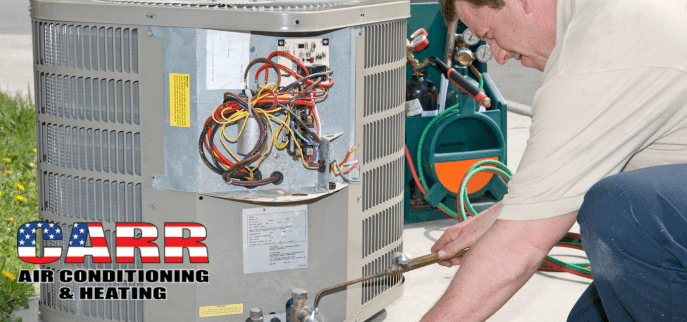
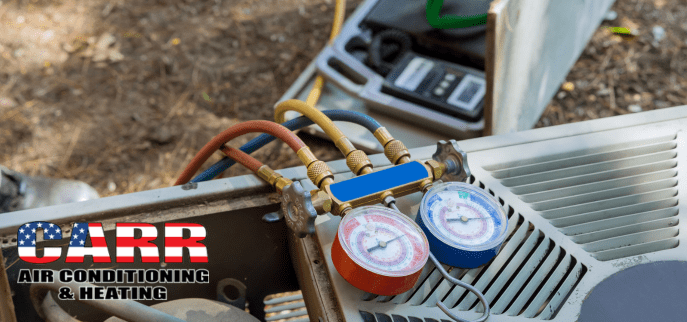
    The single best thing you can do is head into hurricane season with a healthy system. A professional tune-up checks refrigerant levels, electrical connections, and drainage so small problems get caught before a storm turns them into big ones. A well-maintained unit is far less likely to fail under the extra strain of a storm. You can review our seasonal maintenance checklist to see what a full service covers.

    2. Install Surge Protection for Your AC

    Lightning strikes and power surges are some of the most common causes of storm-related AC damage. A surge can instantly destroy your compressor and control board, the two most expensive parts to replace. A whole-home surge protector, or a dedicated unit for your HVAC system, is an inexpensive safeguard that can save you thousands. Ask us about adding surge protection before the season ramps up.

    3. Clear the Area Around Your Outdoor Unit

    High winds can turn loose objects into projectiles that dent or puncture your condenser. Before a storm, remove patio furniture, potted plants, tools, and debris from around the outdoor unit, and trim back any branches that could fall on it. Keeping the area clear also helps your system breathe and run efficiently during normal use.

    4. Turn Off Your AC Before the Storm Hits

    If a major storm or hurricane is bearing down, switch your AC off at the thermostat and the breaker. Running your system during a storm exposes it to power surges and lets it draw in moisture and debris. Shutting it down ahead of time is one of the easiest ways to prevent electrical damage.

    5. Protect Against Flooding

    If your outdoor unit sits low or your area is prone to flooding, talk to us about raising it on a pad or platform. Floodwater can ruin electrical components and contaminate the system. For homes near the water, this small step can be the difference between a quick restart and a full replacement after a storm.

    6. Know What to Do After the Power Comes Back

    Do not rush to turn your AC back on the moment power returns. Wait a few minutes to let the electrical supply stabilize, then turn the system on at the breaker and thermostat. If you notice strange noises, weak airflow, or the unit will not start, shut it off and call for service rather than forcing it. If your system took on water or a direct hit, have it inspected before running it. Our AC repair team can check it out and get you cooling again safely.

    Your Checklist to Prepare Your AC for Hurricane Season

    Before the next storm, make sure you have:

    • Scheduled a pre-storm tune-up
    • Installed surge protection
    • Cleared debris from around the outdoor unit
    • Trimmed nearby branches
    • A plan to shut the system down safely
    • Elevated the unit if you are in a flood-prone area

    For an authoritative checklist on overall storm readiness, the federal government’s hurricane preparedness guide is a great resource.

    Schedule Your Pre-Storm AC Tune-Up with Carr Air Conditioning

    The best time to prepare your AC for hurricane season is before the first storm forms. Carr Air Conditioning helps homeowners across Clearwater, Dunedin, Palm Harbor, and the surrounding Gulf Coast get their systems storm-ready, from tune-ups and surge protection to full system replacements. We can also help if you are weighing an upgrade with our AC installation and replacement services.

    Call us today at (727) 447-7212 to schedule your pre-storm AC tune-up.
  • Why Winter Is the Best Time to Schedule HVAC Maintenance in Florida

    Why Winter Is the Best Time to Schedule HVAC Maintenance in Florida

    When most homeowners in Clearwater, Dunedin, and across Pinellas County think about HVAC service, summer usually comes to mind. After all, that’s when air conditioners work the hardest.

    What many homeowners don’t realize is that winter is actually the best time to take care of your HVAC system — especially in Florida.

    Cooler weather creates an ideal window to identify issues, improve efficiency, and prepare your system before demand spikes again.

    Understanding the importance of winter HVAC maintenance in Florida can help homeowners avoid unexpected breakdowns and keep their systems running efficiently when temperatures rise again.

    Why HVAC Maintenance Gets Overlooked in Florida Winters

    Florida winters are mild compared to most of the country. Because heating systems don’t run constantly, it’s easy for homeowners to assume maintenance isn’t urgent this time of year.

    The problem is that light use doesn’t mean no wear. Systems that sit idle for long periods can develop airflow issues, electrical problems, or component wear that only becomes obvious when temperatures start to fluctuate.

    Winter is when those early warning signs begin to show.

    What Winter Reveals About Your HVAC System

    Cold mornings often highlight issues that stay hidden during long cooling seasons. Homeowners may notice uneven temperatures, longer system run times, or unfamiliar noises.

    These signals often point to:

    • Airflow imbalances
    • Thermostat or control issues
    • Duct leakage
    • Components that are beginning to wear down

    Catching these problems early is far easier and far less expensive than waiting for a full system failure during summer.

    Why Scheduling Service Is Easier in Winter

    One of the biggest benefits of winter HVAC maintenance is availability.

    During peak cooling season, homeowners often face:

    • Longer wait times
    • Limited scheduling options
    • Urgent, reactive repairs instead of preventative care

    In winter, technicians can spend more time evaluating system performance, addressing small issues, and making precise adjustments rather than responding to emergencies.

    How Winter Maintenance Protects Summer Comfort

    Florida HVAC systems work hardest during late spring and summer. Any unresolved issues from winter can escalate quickly once temperatures rise.

    Routine winter maintenance helps:

    • Reduce the risk of breakdowns during heat waves
    • Improve cooling efficiency before summer starts
    • Extend overall system lifespan
    • Keep energy costs more predictable

    Think of winter service as preparing your system for the busiest time of the year.

    Heat Pumps and Florida Winters

    Many homes in Pinellas County rely on heat pumps, which handle both heating and cooling. Winter operation gives technicians valuable insight into how these systems are performing across both modes.

    Evaluating heat pump operation now helps ensure seamless transitions when cooling demand returns. Small adjustments made in winter often translate into noticeably better performance in summer.

    Airflow and Comfort Improvements Start Now

    Winter maintenance isn’t just about heating. It’s also the best time to evaluate airflow and duct performance.

    Uneven heating in winter often mirrors uneven cooling in summer. Addressing airflow restrictions, duct leaks, or balance issues now can dramatically improve comfort once temperatures climb again.

    For many homeowners, this is one of the most valuable outcomes of winter service.

    Why Waiting Until Summer Usually Costs More

    When homeowners delay HVAC service until summer, issues that could have been corrected early often turn into urgent problems.
    Delaying maintenance can also contribute to problems like an AC drain line clogged issue, which often develops gradually and becomes noticeable during heavy system use.

    Summer repairs tend to:

    • Be more disruptive
    • Require faster decisions
    • Limit available options
    • Cost more due to emergency conditions

    Winter maintenance allows homeowners to stay ahead instead of reacting under pressure.

    What a Winter HVAC Tune-Up Typically Covers

    A professional winter inspection focuses on overall system health rather than emergency repair.

    This often includes evaluating system components, airflow, thermostat controls, and overall performance. The goal is to ensure everything is operating efficiently and reliably before demand increases.

    A Smarter Way to Care for Your HVAC System

    Homeowners who schedule HVAC maintenance in winter tend to experience fewer surprises when summer arrives. Their systems run more efficiently, comfort is more consistent, and stress is significantly reduced.

    In Florida’s climate, winter offers a rare opportunity to be proactive instead of reactive.

    FAQs

    Q1: Why is winter a good time for HVAC maintenance in Florida?
    Winter is a low-demand season, making it easier to identify issues early and prepare your system before peak cooling months.

    Q2: Does HVAC maintenance matter if I don’t use heating often?
    Yes, even with limited use, systems can still develop wear, airflow issues, and hidden faults that become worse over time.

    Q3: What are the benefits of winter HVAC maintenance?
    It improves system efficiency, reduces breakdown risks, and helps extend equipment lifespan.

    Q4: Can delaying HVAC maintenance increase repair costs?
    Yes, small issues often turn into major repairs when left unchecked until peak season.

    Final Thoughts

    Winter may feel quiet for HVAC systems, but it’s one of the most valuable times to give them attention. Addressing small issues now helps protect comfort, efficiency, and reliability throughout the year.

    For homeowners in Clearwater, Dunedin, and across Pinellas County, winter HVAC maintenance is less about reacting to cold weather — and more about preparing for what’s next.

    If you want to stay ahead of costly repairs and keep your system running efficiently year-round, it’s best to schedule service early. The team at Carr Air Conditioning can help ensure your HVAC system is fully prepared before demand increases again.

  • Why Your Florida Home Feels Cold Even When the Heat Is On

    Why Your Florida Home Feels Cold Even When the Heat Is On

    It’s a common call we get during cooler weather in Clearwater, Dunedin, and across Pinellas County:
    “The heat is running, but the house still feels cold.”

    When that happens, most homeowners assume the heating system isn’t working properly — and it can quickly become frustrating. In reality, the issue is often not the heater itself.

    Florida homes are designed very differently than homes in colder climates, and winter conditions tend to expose problems that stay hidden the rest of the year.

    Understanding why your house feels cold in Florida can help identify underlying airflow, insulation, or system issues that are often overlooked.


    Why This Happens So Often in Florida Homes

    Most homes in Pinellas County are built with cooling as the top priority. Open layouts, lighter insulation, and duct systems designed for air conditioning work great in summer, but they can create comfort challenges in winter.

    When temperatures drop, those design choices can make it harder to keep warm air evenly distributed throughout the home. As a result, some rooms feel chilly even though the system is running and the thermostat looks right.


    The Thermostat Says It’s Warm — So Why Doesn’t It Feel That Way?

    Your thermostat system measures temperature in a single location, not throughout your entire home. If it’s placed in a warmer area, it may shut the system off even though other rooms never reached a comfortable temperature.

    Older thermostats can also be inaccurate or slow to respond, which only adds to the confusion. Homeowners may keep adjusting the setting without realizing the thermostat isn’t reading conditions correctly.


    Uneven Heating Is Usually an Airflow Issue

    One of the most common reasons a Florida home feels cold even when the heat is on is poor airflow throughout the system.

    Warm air may be leaving the system, but it isn’t always reaching every room evenly. This can happen when ducts are undersized, poorly routed, or leaking air before it reaches the living space. In winter, these problems become much more noticeable.

    You might feel comfortable in living areas while bedrooms or back rooms stay noticeably colder.


    Ductwork Problems That Reduce Winter Comfort

    Duct issues are extremely common in homes throughout Clearwater and Dunedin, especially in older properties or homes that have been renovated over time.

    Common duct-related issues include:

    • Leaks that allow warm air to escape
    • Ducts running through unconditioned spaces
    • Poorly balanced systems that favor some rooms over others

    Even small duct leaks can make a big difference in winter comfort, because the system is already working with milder heat output.


    Heat Pumps Can Be Working Correctly — and Still Feel “Cool”

    Many Florida homes use heat pumps, which heat spaces differently than traditional furnaces. Instead of producing bursts of hot air, heat pumps provide a steady, moderate warmth.

    That air may feel cooler when it reaches vents, even though it’s warming the home. This often leads homeowners to think the system isn’t working, when in fact it’s operating normally.

    The key difference is that furnaces create hot air quickly, while heat pumps focus on maintaining steady comfort over time.


    Closed Vents and Blocked Returns Matter More in Winter

    During summer, blocked vents or closed doors might not cause noticeable problems. In winter, airflow restrictions can dramatically reduce comfort.

    Closed supply vents, blocked return vents, or furniture placed over registers prevent warm air from circulating properly. In Florida homes with open layouts, these small changes can have an outsized impact when heating demand increases.


    Insulation Plays a Bigger Role Than Most People Realize

    Because Florida homes don’t rely heavily on heating, insulation often gets overlooked. However, poor attic insulation or gaps in sealing allow warm air to escape quickly, especially during cold nights.

    When heat leaves faster than it’s replaced, the system runs longer but the home never quite feels comfortable. This creates the impression of a heating problem, even though the equipment itself may be functioning properly.


    When It’s More Than Just Comfort

    While comfort issues are common, certain signs point to real system problems that should be addressed.

    If your home stays cold despite long system run times, if some rooms never warm up at all, or if the system cycles on and off frequently, it’s worth having the system evaluated.

    These issues often point to airflow imbalances, duct leaks, or control problems rather than a need for replacement.


    Why Winter Is a Smart Time to Address Comfort Problems

    Winter in Pinellas County is one of the best times to identify and correct airflow and comfort issues. The system isn’t under peak cooling demand, which makes it easier to pinpoint underlying problems.

    Addressing these issues now helps ensure:

    • Better comfort for the remainder of winter
    • Improved system efficiency
    • Fewer breakdowns during peak summer months

    Homeowners who wait until summer often experience longer wait times and more expensive repairs.


    What Homeowners in Clearwater and Dunedin Can Do

    If your home feels cold even though the heat is on, the solution usually isn’t simply turning the thermostat higher without understanding the best temperature to keep your heater for consistent comfort. A professional airflow evaluation can often identify simple adjustments that make a noticeable difference.

    Improving airflow, balancing ducts, or correcting thermostat placement can restore comfort without major changes to the system.


    FAQs

    Q1: Why does my Florida home feel cold even when the heat is on?

    This usually happens due to poor airflow, duct issues, or thermostat placement—not necessarily a broken system.

    Q2: Is uneven heating normal in Florida homes during winter months?

    Yes, Most homes are built for cooling, which often leads to uneven warmth during cooler winter weather.

    Q3: Can a thermostat cause cold spots in different areas of my home?

    Yes, If it’s in a warmer area, it may shut off the system before other rooms fully heat up.

    Q4: How can I improve heating comfort and airflow in my home?

    Keep vents open, replace filters regularly, and have your airflow and duct system professionally checked.


    The Bottom Line

    When a Florida home feels cold during winter, it’s rarely just a heating issue. Airflow, ductwork, insulation, and system controls all play a role.

    Understanding how these factors interact helps homeowners make smarter decisions and avoid unnecessary frustration during cooler weather.

    If your home still feels cold despite your system running, it’s best to address the root cause early. The team at Carr Air Conditioning can help identify airflow issues, duct problems, and system inefficiencies — and restore consistent comfort throughout your home.

  • Is 72 Degrees a Good Temperature for Heat in a Florida Winter?

    Is 72 Degrees a Good Temperature for Heat in a Florida Winter?

    When winter temperatures dip into the 40s across Clearwater, Dunedin, and throughout Pinellas County, many homeowners start asking the same question:
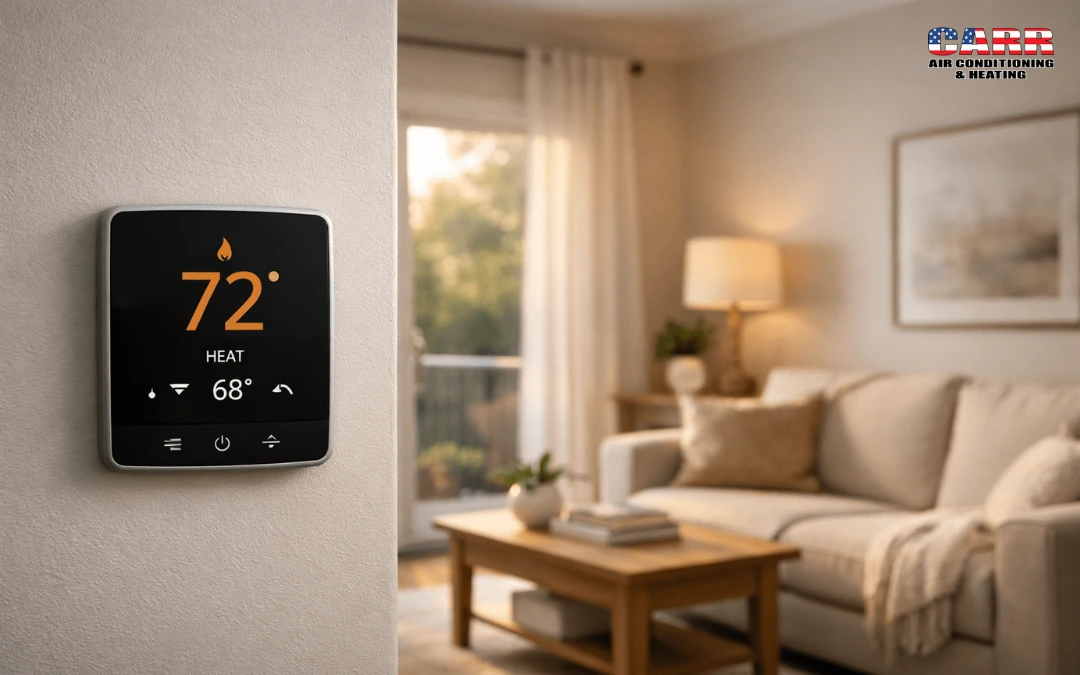
    Is 72 degrees a good temperature for heat during a Florida winter?

    For many homes, 72 degrees feels comfortable and works well during colder weather. However, the ideal setting depends on several factors, including your home’s insulation, airflow, heating system, and how evenly warmth is distributed throughout the house.

    Understanding how these factors affect comfort can help homeowners maintain better efficiency while avoiding unnecessary strain on their HVAC system.


    Why Heating in Florida Works Differently

    Heating a home in Florida is very different from heating a home up north. Most homes in Pinellas County are designed with cooling as the priority, not extended winter heating. That means lighter insulation, more open layouts, and systems designed to remove heat efficiently during long, hot summers.

    Because of this, heating systems in Florida are typically used for shorter periods and in milder conditions. When cooler weather arrives, those differences can affect how comfortable your home feels, even if the thermostat setting seems reasonable.

    Is 72 Degrees a Good Heat Setting?

    For many Pinellas County homeowners, 72 degrees is a comfortable and reasonable place to start. If your home warms evenly, your system runs steadily, and your energy bills stay predictable, there’s usually no reason to change it.

    However, some homeowners find that even at 72 degrees, certain rooms still feel chilly or that the system seems to run longer than expected. In those cases, the issue usually isn’t the number on the thermostat, it’s how the home and system are working together.


    How Heat Pumps Perform During Cold Weather

    Most homes in Clearwater, Dunedin, and surrounding areas rely on heat pumps rather than traditional furnaces. Heat pumps work differently by pulling heat from outdoor air and transferring it inside, even when it feels cold outdoors.

    During colder Florida mornings, it’s normal for a heat pump to run longer or operate at a lower, steadier output. Unlike gas furnaces, heat pumps don’t blast hot air quickly. This can sometimes make homeowners think the system isn’t working properly when, in reality, it’s operating exactly as designed.

    Making large temperature jumps on the thermostat, such as going from the high 60s to the mid-70s, can actually reduce efficiency and put unnecessary strain on the system.

    Comfort Matters More Than the Exact Number

    Instead of focusing on whether 72 degrees is “right,” it’s more helpful to pay attention to how your home actually feels.

    If the temperature is consistent from room to room, the air feels comfortable, and your system cycles normally, your setting is likely fine. When homeowners experience uneven heating, cold bedrooms, or constant adjustments to the thermostat, those are signs that something else may need attention.

    In many Pinellas County homes, airflow problems or duct issues play a major role in winter comfort.

    Why Some Homes Feel Cold Even at 72 Degrees

    When a home doesn’t feel comfortable at an otherwise reasonable setting, ductwork and airflow are often the culprit. Leaky ducts, restricted airflow, or systems designed primarily for cooling can prevent warm air from reaching all areas of the home evenly.

    Thermostat accuracy can also be a factor. Older thermostats or poorly placed controls may not accurately reflect the true temperature in your living space, leading to discomfort even when the system is running correctly.

    These are common issues in Florida homes and often go unnoticed until cooler weather highlights them.

    Should You Adjust the Temperature at Night?

    Many homeowners wonder whether they should lower the heat at night. In most Florida homes, a slight adjustment is fine, but drastic changes aren’t recommended.

    Lowering the thermostat a few degrees overnight can improve comfort and efficiency, but turning the system off entirely during cold snaps often forces it to work harder in the morning. Gradual adjustments help heat pumps perform more efficiently and reduce wear on system components.

    What Temperature Is Best for Efficiency?

    For most homes in Clearwater and Dunedin, maintaining a steady temperature between the upper 60s and low 70s delivers a good balance of comfort and efficiency during winter months. Avoiding frequent manual changes and allowing the system to maintain a consistent setting typically produces better results than constant adjustments.

    True efficiency, however, depends far more on system condition, airflow, and maintenance than on a single thermostat number.

    Why Winter Is a Good Time for HVAC Maintenance

    Winter is actually an ideal time to schedule HVAC service in Pinellas County. Heating systems that only run part of the year can develop small issues that go unnoticed until they affect comfort.

    A professional inspection can help ensure your heat pump is operating efficiently, your airflow is balanced, and your system is prepared for the heavier workload that comes with spring and summer. Addressing minor issues now can prevent larger, more expensive problems later.

    Regular HVAC maintenance can help improve efficiency, airflow, and overall winter comfort in Florida homes.

    FAQs

    Is 72 degrees too high for heat in Florida?

    For most Florida homes, 72 degrees is considered a comfortable and reasonable winter temperature. The ideal setting depends on insulation, airflow, and personal comfort preferences.

    Why does my house still feel cold at 72 degrees?

    Uneven airflow, duct issues, poor insulation, or thermostat placement can make certain rooms feel colder even when the thermostat is set correctly.

    Do heat pumps run longer during Florida winters?

    Yes, heat pumps often run longer during colder mornings because they pull heat from outdoor air rather than generating heat directly like furnaces.

    What temperature is most efficient for heating a Florida home?

    Most Florida homeowners find temperatures between the upper 60s and low 70s provide a good balance between comfort and energy efficiency.


    Final Thoughts: Is 72 Degrees Right for You?

    For many Florida homeowners, 72 degrees is a comfortable and efficient temperature during winter. The real factor is how your home responds to that setting. If temperatures stay consistent and your system runs smoothly, you’re likely in a good range.

    However, if certain rooms still feel cold or your system struggles to maintain comfort, the issue may be related to airflow, insulation, or overall HVAC performance rather than the thermostat setting itself.

    Regular HVAC maintenance and proper system performance can make a noticeable difference in both comfort and efficiency during cooler weather. If your home still doesn’t feel comfortable at reasonable thermostat settings, the team at Carr Air Conditioning can help identify the cause and keep your system running efficiently all winter long.

  • The Ultimate Guide to Replacing Your Air Conditioner

    The Ultimate Guide to Replacing Your Air Conditioner

    Looking to replace your AC unit? Here’s a few helpful tips.

    Replacing an air conditioner (AC) can seem daunting, but it doesn’t have to be. Whether you’re dealing with an old, inefficient unit or one that’s simply not working, this guide will walk you through the essential steps and considerations for a successful AC replacement.

    From understanding when to replace your air conditioner to choosing the right AC system and ensuring proper installation, we’ve got you covered.

    When to Replace Your Air Conditioner

    Knowing when to replace your air conditioner is crucial. Here are some signs that it’s time for an AC replacement:

    1. Age of the Unit: Most HVAC systems last between 10-15 years. If yours is older, it might be time to consider a new one.
    2. Frequent Repairs: If your system is constantly breaking down, it might be more cost-effective to invest in a new unit.
    3. High Energy Bills: Older units tend to lead to higher energy bills. A new AC system can save you money in the long run.
    4. Inconsistent Cooling: If your system keeps different rooms at different temperatures, your AC system might be failing.
    5. Excessive Noise: Unusual noises can indicate that your AC unit is on its last legs.

    Choosing the Right AC System

    Selecting the right AC system is essential for energy efficiency and comfort. Here are some factors to consider:

    Types of AC Systems

    1. Central Air Conditioners: Ideal for cooling entire homes, they use ducts to distribute cool air.
    2. Ductless Mini-Splits: Great for homes without ductwork, offering flexibility to cool specific areas.
    3. Window Units: Best for cooling individual rooms but less efficient for whole-house cooling.
    4. Portable Air Conditioners: Flexible and movable but typically less efficient than other types.

    Energy Efficiency

    Look for units with a high Seasonal Energy Efficiency Ratio (SEER). The higher the SEER rating, the more efficient the unit, which can significantly reduce your energy bill.

    Size of the Unit

    An appropriately sized unit is crucial. A unit that’s not the correct size won’t cool your home effectively, while one that’s too large will cycle on and off too frequently, wasting energy and shortening its lifespan.

    Features to Consider

    1. Programmable Thermostats: These can help you save on energy costs by allowing you to set cooling schedules.
    2. Variable Speed Motors: Provide better temperature control and energy efficiency.
    3. Noise Levels: Look for units with lower decibel levels for quieter operation.

    AC Installation: What to Expect

    Proper AC installation is key to ensuring your new unit operates efficiently. Here’s what you should expect:

    1. Professional Assessment: A technician will assess your home to determine the best unit size and type.
    2. Ductwork Inspection: If you have existing ducts, they will be inspected for leaks or damage.
    3. Installation Process: This process begins with removing the old unit, setting up the new one, and connecting it to your home’s ductwork and electrical system.
    4. Testing: After installation, the system will be tested to ensure it’s working correctly.

    Maintaining Your New AC System

    Once your new AC unit is installed, regular maintenance is crucial to keep it running efficiently and extend its lifespan. Here are some maintenance tips:

    1. Regular Filter Changes: Replace filters every 1-3 months to ensure proper airflow and efficiency.
    2. Annual Tune-Ups: Schedule annual maintenance with a professional to check for any issues and keep your system in top shape.
    3. Keep the Unit Clean: Ensure the area around your outdoor unit is free from debris and vegetation.
    4. Check the Thermostat: Ensure your thermostat is functioning correctly and set to the right temperature.

    AC Replacement vs. AC Repair

    Sometimes it’s challenging to decide between repairing your existing unit or opting for an AC replacement. Here are some considerations:

    1. Cost of Repairs: If repairs are becoming frequent and costly, replacement might be a more economical choice.
    2. Age of the Unit: Older units are less efficient and more likely to need repairs.
    3. Energy Efficiency: Newer units are more energy-efficient and can save you money on your energy bill.
    4. Home Comfort: If your current unit is struggling to keep your home comfortable, a new system might be the solution.

    Benefits of Replacing Your Air Conditioner

    Replacing your air conditioner comes with several benefits:

    1. Improved Energy Efficiency: New units are designed to be more energy-efficient, reducing your energy bills.
    2. Enhanced Comfort: Modern systems provide better cooling and humidity control.
    3. Reliability: A new unit is less likely to break down, providing peace of mind.
    4. Increased Home Value: A new, efficient AC system can increase your home’s value.
    5. Environmental Impact: Newer units are better for the environment due to improved efficiency and less harmful refrigerants.

    Common Questions About AC Replacement

    How Much Does It Cost to Replace an Air Conditioner?

    The cost of replacing an air conditioner varies based on the type of unit, the size of your home, and the complexity of the installation. On average, homeowners can expect to pay between $3,000 and $7,000 for a new central air conditioning unit, including installation.

    How Long Does the Installation Process Take?

    The installation process typically takes one to two days. However, this can vary depending on the complexity of the job and whether any additional work, such as ductwork repairs, is needed.

    Can I Replace My AC Unit Myself?

    Replacing an AC unit is a complex task that requires professional expertise. It’s not recommended to attempt this as a DIY project due to the technical and safety aspects involved.

    How Can I Improve My AC System’s Efficiency?

    1. Regular Maintenance: Keep up with regular maintenance and filter changes.
    2. Seal Leaks: Ensure your home is properly sealed to prevent cool air from escaping.
    3. Upgrade Thermostats: Use programmable or smart thermostats to optimize cooling schedules.
    4. Insulate: Proper insulation helps maintain cool temperatures inside your home.

    What Should I Look for in an HVAC Contractor?

    1. Experience and Reputation: Look for contractors with good reviews and extensive experience.
    2. Licensing and Insurance: Ensure they are licensed and insured.
    3. Detailed Quotes: Get detailed quotes to understand what’s included in the price.
    4. References: Ask for references to gauge previous customer satisfaction.

    Contact Carr AC for New A Installation in Tampa Bay

    Replacing your air conditioner can be a significant investment, but it’s one that can greatly improve your home’s comfort, energy efficiency, and overall value. By understanding when to replace your AC, choosing the right system, ensuring proper installation, and maintaining your unit, you can enjoy a cool, comfortable home for years to come.

    Whether you’re dealing with frequent AC repairs or looking to reduce your energy bill, a new air conditioning unit might be the solution you need.

    If you have any questions or need assistance with your AC replacement, don’t hesitate to contact a professional HVAC contractor. They can provide expert guidance and ensure your new system is installed correctly and efficiently.

    Contact Carr AC for new AC installation today.

  • Prolong the Life of Your Equipment with an AC Tuneup

    Prolong the Life of Your Equipment with an AC Tuneup

    How to keep your AC working well this summer.

    As summer approaches, ensuring that your air conditioning system is in top shape becomes a priority. An AC tuneup is not just a seasonal ritual; it’s a critical step in maintaining your heating and cooling system. Regular maintenance can help you avoid costly AC repairs and keep your system running efficiently throughout the year.

    In this guide, we’ll explore the importance of an AC tune-up, what it involves, and how it can save you money in the long run.

    Why AC Tune-Ups Are Essential

    Your air conditioning system is a complex machine with many moving parts that need to work together seamlessly. Over time, these parts can wear out or become less efficient. An AC tune-up ensures that all components are properly maintained and functioning optimally.

    This not only extends the life of your equipment but also improves the efficiency of your heating and cooling system.

    Key Benefits of Regular AC Tune-Ups

    1. Increased Efficiency: Regular maintenance visits help keep your AC system running smoothly, which can significantly reduce your energy costs.
    2. Longer Lifespan: Proper maintenance can add years to the life of your air conditioning system.
    3. Improved Air Quality: An annual AC tune helps ensure that your air filter and condenser coil are clean, improving the air quality in your home.
    4. Prevention of Breakdowns: Regular AC maintenance can identify and fix small issues before they become major problems, preventing unexpected breakdowns.
    5. Savings on Utility Bills: An efficient AC working system uses less energy, which can lead to lower utility bills.

    What Happens During an AC Tune-Up?

    An AC tune-up involves a thorough inspection and servicing of your air conditioning system.

    Here’s what you can typically expect during a maintenance visit:

    1. Inspection and Cleaning

    • Air Filter: The technician will check and change the air filter if necessary. A clean air filter is crucial for maintaining good airflow and reducing strain on the system.
    • Condenser Coil: Cleaning the condenser coil helps improve efficiency and prevent overheating.
    • Electrical Connections: Ensuring all electrical connections are secure and working properly is vital for safety and efficiency.

    2. Checking System Performance

    • Thermostat Calibration: Make sure your thermostat is calibrated correctly to ensure the system is operating at the right temperature.
    • Refrigerant Levels: Checking and adjusting refrigerant levels to maintain cooling efficiency.
    • Moving Parts: Lubricate all moving parts to reduce friction and wear.

    3. Testing and Adjustments

    • System Running Tests: The technician will run the system to check for any unusual noises or issues.
    • Airflow Measurements: Ensuring that the airflow is optimal for the system’s capacity.
    • Ductwork Inspection: Checking for leaks or blockages in the ductwork that could affect performance.

    How Regular Maintenance Saves You Money

    Investing in regular AC maintenance might seem like an additional expense, but it can save you money in several ways:

    1. Reduced Energy Costs

    An air conditioning system that is not properly maintained has to work harder to cool your home, leading to higher energy costs. Regular tune-ups ensure that your system is running efficiently, which can significantly reduce your utility bills.

    2. Fewer Repairs

    By catching potential problems early, regular maintenance can help you avoid the high costs associated with major AC repairs. Small fixes and adjustments during a maintenance visit can prevent larger, more expensive issues down the line.

    3. Longevity of the System

    Proper maintenance extends the lifespan of your HVAC system. This means you can delay the need for a new AC installation, saving you the substantial cost of a new system.

    When to Schedule an AC Tune-Up

    It’s best to schedule an air conditioning tune-up in the spring before the summer heat hits. This ensures your air conditioning system is ready to handle the increased demand. However, if you haven’t had a tune-up in a while, it’s never too late to start. Regular AC maintenance should be performed at least once a year.

    Contact Carr AC for AC Maintenance and Repair in Tampa Bay

    An AC tune-up is a small investment that can lead to significant savings and benefits. By properly maintaining your air conditioning system, you can enjoy a more comfortable home, improved air quality, lower utility bills, and peace of mind knowing your system is operating efficiently. Don’t wait until your AC breaks down – schedule a regular AC tune-up and keep your system in top shape all year round.

    By following these guidelines and regularly maintaining your air conditioners, you can ensure that your home remains cool and comfortable, while also saving money on energy costs and avoiding expensive repairs.

    Contact the team at Carr AC to schedule a free consultation for AC maintenance and repair in Tampa Bay today. 

  • Indoor Air Quality in the Summer Months

    Indoor Air Quality in the Summer Months

    How to improve the air quality in your home during the summer months.

    As summer rolls in, our homes become sanctuaries from the heat, but poor indoor air quality (IAQ) can pose significant health risks. With doors and windows shut tightly to keep out the sweltering heat, it’s vital to focus on indoor air quality control during the warmer months.

    From volatile organic compounds (VOCs) to poor ventilation, summer brings specific challenges that homeowners must address. This guide will go through essential steps to improve air quality and explain the role of AC repair, maintenance, and installation services in maintaining a healthy home environment.

    The Importance of Indoor Air Quality Control

    The Environmental Protection Agency (EPA) emphasizes that indoor air quality can be worse than outdoors, leading to a range of health effects. The Occupational Safety and Health Administration (OSHA) also warns that short-term and long-term exposure to indoor air pollutants can result in respiratory issues, headaches, and even cardiovascular diseases.

    Key Factors Affecting Indoor Air Quality

    1. Building Materials: Formaldehyde, asbestos, and other hazardous substances in materials like insulation can impact air quality.
    2. Gas Stoves: Can release nitrogen dioxide (NO2), increasing pollution levels indoors.
    3. Volatile Organic Compounds: Found in everyday household products like cleaning supplies and paints.
    4. Poor Ventilation: Traps pollutants and reduces fresh air circulation.
    5. Poor AC Maintenance: An unmaintained air conditioning system can circulate allergens, dust, and pollutants.

    Sources of Indoor Air Pollution in Your Home

    Building Materials and Volatile Organic Compounds (VOCs)

    Many modern building materials contain chemicals like formaldehyde, a known VOC. Carpets, plywood, and even furniture can off-gas these compounds, leading to high levels of indoor air pollution.

    Household Appliances

    Gas stoves are a significant source of nitrogen dioxide and carbon monoxide indoors. Without proper ventilation, these pollutants can accumulate, resulting in poor indoor air quality.

    Air Conditioning Systems

    Your air conditioning system can be a double-edged sword. On one hand, it keeps you cool and filters out some pollutants, but on the other hand, if not properly maintained, it can circulate dust, mold, and allergens throughout your home.

    Biological Contaminants

    Mold, bacteria, and dust mites thrive in humid conditions, especially in the summer. Poor ventilation and high humidity levels can exacerbate these issues.

    Health Effects of Poor Indoor Air Quality

    Short-Term Effects

    • Eye, Nose, and Throat Irritation: Caused by exposure to common indoor pollutants.
    • Headaches and Fatigue: Often linked to volatile organic compounds.
    • Dizziness and Nausea: Common symptoms of exposure to carbon monoxide and nitrogen dioxide.

    Long-Term Effects

    • Respiratory Diseases: Asthma, bronchitis, and other conditions can be triggered by prolonged exposure to irritants.
    • Cardiovascular Issues: Long-term exposure to pollutants can increase the risk of heart disease.
    • Cancer: Some VOCs are carcinogenic and can contribute to cancer development.

    Improving Indoor Air Quality During the Summer

    1. Regular AC Maintenance and Repair

    • Routine Maintenance: Schedule routine AC maintenance to clean filters, inspect ductwork, and ensure optimal system performance.
    • Filter Replacement: Replace AC filters every 1-3 months to prevent the circulation of dust and allergens.
    • Duct Cleaning: Clean ducts periodically to remove mold, bacteria, and accumulated dust.

    2. Proper Ventilation

    • Install Exhaust Fans: Especially in kitchens and bathrooms, to reduce high levels of moisture and pollutants.
    • Open Windows: When temperatures allow, open windows to let in fresh air and reduce indoor pollutants.
    • Balanced Ventilation: Consider balanced ventilation systems like heat recovery ventilators (HRVs) to improve airflow without sacrificing cooling.

    3. Control Humidity Levels

    • Dehumidifiers: Use dehumidifiers to keep humidity below 50% and reduce the proliferation of mold and dust mites.
    • AC Efficiency: Ensure your air conditioning system is operating efficiently, as it can help regulate humidity levels indoors.

    4. Minimize VOC Emissions

    • Choose Low-VOC Products: Opt for low-VOC paints, adhesives, and cleaning supplies.
    • Proper Storage: Store chemicals and cleaning agents in tightly sealed containers away from living areas.
    • Green Building Materials: Use environmentally friendly building materials when renovating.

    5. Utilize Air Purifiers

    • HEPA Filters: Air purifiers with HEPA filters can effectively capture small particles and improve air quality.
    • Activated Carbon: Purifiers with activated carbon filters can remove odors and VOCs.

    6. Consider AC Installation Services for Upgrades

    If your current system is outdated, consider upgrading with professional AC installation services. Newer models come with advanced filtration systems that can significantly reduce pollutants and improve overall indoor air quality (IAQ).

    Summary: Taking Control of Your Indoor Air Quality

    Indoor air quality control is crucial, especially during the summer, when heat, humidity, and tightly closed windows exacerbate indoor air quality problems. Prioritize regular AC maintenance, repair, and upgrades to ensure your air conditioning system effectively filters pollutants and provides fresh air. Reduce exposure to sources of indoor air pollution in your home by using low-VOC products, ensuring proper ventilation, and controlling humidity.

    Key Takeaways

    • Schedule regular AC maintenance to improve system performance and air quality.
    • Increase ventilation and consider air purifiers for comprehensive pollutant removal.
    • Address high levels of humidity with dehumidifiers and proper ventilation.
    • Opt for low-VOC building materials and cleaning products to reduce emissions.

    Contact Carr AC to Improve Indoor Air Quality

    By implementing these steps, you’ll enjoy improved health and a more comfortable living environment throughout the summer months. Prioritize your family’s well-being by staying proactive with indoor air quality control and seeking professional help for any AC repair, maintenance, or installation needs.

    Contact our team to schedule a consultation today. 

  • Why Your AC Unit Won’t Turn On

    Why Your AC Unit Won’t Turn On

    Common Reasons Why an AC Won’t Turn On 

    When the summer heat is at its peak, a malfunctioning air conditioner can quickly turn from a minor inconvenience to a critical comfort issue in your home or office. If your AC won’t turn on, it’s important to address the problem swiftly to restore your environment to a comfortable temperature. This blog post will explore common reasons why air conditioning units fail to start and provide insight on when to call for a professional repair.

    1. Tripped Circuit Breaker

    One of the most common and least alarming reasons your AC unit may not be powering up is a tripped circuit breaker. Air conditioners require a significant amount of power to operate, and if the system is overloaded, it may trip the circuit breaker as a safety precaution. Check your home’s electrical panel and reset any tripped breaker related to the AC system. If it trips again, this could indicate a more serious electrical issue, and you should consult a professional.

    2. Thermostat Issues

    The thermostat is the command center for your air conditioning system. If it’s not working correctly, your AC unit won’t receive the signal to turn on. First, ensure that the thermostat is set to the cooling mode and that the set temperature is lower than the current room temperature.

    If your thermostat is battery-operated, try replacing the batteries to see if this resolves the issue. Faulty wiring or a broken thermostat might also be the culprit, requiring professional intervention.

    3. Dirty or Clogged Filters

    A dirty air filter can severely hinder your AC unit’s functionality. If the filter is clogged, airflow is restricted, which can lead to a variety of issues, including preventing the unit from turning on. Regularly check and replace the air filters in your AC unit according to the manufacturer’s recommendations. This simple maintenance not only helps in preventing operational issues but also enhances the air quality in your home or office.

    4. Condensate Drain Line Blockage

    Most air conditioners have a built-in safety switch that shuts off the unit if the condensate drain line is blocked. This prevents water from backing up and causing damage to the system or your property. If you suspect a blockage, you may be able to clear it yourself, or you might need to call a professional to safely remove the clog and ensure the line is clear.

    5. Refrigerant Issues

    Low refrigerant levels can cause your AC unit to malfunction or not turn on. Refrigerant issues often stem from leaks in the system, which need to be professionally diagnosed and repaired. Operating an AC with low refrigerant can cause further damage to the unit, so it’s important to address this issue promptly.

    6. Capacitor or Compressor Failure

    The capacitor kick-starts the compressor, and the compressor is essential for the refrigeration cycle that cools your home or office. If either of these components fails, your AC unit may not turn on. Signs of these failures include a humming sound from the AC unit or no sound at all when you try to turn it on. These components require professional repairs or replacement.

    When to Call a Professional

    While some issues, like a tripped breaker or dirty filter, can be resolved without expert help, many air conditioning problems should be addressed by a certified technician. Professional AC repair services can provide a comprehensive diagnosis and safe, effective solutions that extend the life of your unit and ensure it’s working optimally.

    Contact Carr AC for AC Maintenance and Repair Services

    If your AC won’t turn on, it’s essential to diagnose the issue promptly to avoid prolonged discomfort. By understanding the common issues outlined above, you can take quick steps to troubleshoot your system and decide when it’s time to call in the experts. Remember, regular maintenance and repair are key to preventing many of these issues and keeping your air conditioning system in peak condition.

    Contact Carr AC today for a comprehensive AC issue diagnosis and repair. We’re here to keep your Florida home cool.

  • Signs You Need Emergency Residential HVAC Repairs

    Signs You Need Emergency Residential HVAC Repairs

    What are a few signs that your HVAC unit needs emergency repairs? 

    Living in Florida, where temperatures often soar, a fully functional HVAC system is not just a convenience—it’s a necessity. Recognizing the signs that your air conditioning system needs urgent repair can mean the difference between a slight discomfort and a significant disruption, especially during the peak of summer. Here are critical signs that indicate the need for emergency HVAC repairs in your home or office.

    1. Unusual Noises

    HVAC systems are designed to operate relatively quietly. If you start hearing unusual noises like grinding, screeching, or banging coming from your HVAC unit, it’s a sign that something is wrong. These sounds could indicate a loose belt, a problem with the motor bearings, or other mechanical issues that can lead to a complete system breakdown if not addressed promptly.

    2. No Cool Air

    At the heart of Florida’s summer, the last thing you want is an air conditioner that blows warm air or no air at all. If your AC is on but not cooling, it could be due to several issues, including low refrigerant levels, a faulty compressor, or a damaged air handler. Immediate professional repair is necessary to get your system back up and running efficiently.

    3. Foul Odors

    If you notice pungent or foul odors coming from your HVAC system, this is a clear indicator that your unit requires urgent attention. A burning smell could suggest an electrical failure, while a musty odor often points to mold within the unit or ductwork. Both scenarios require immediate intervention to prevent potential health hazards and further damage to the system.

    4. Frequent Cycling

    An HVAC system that turns on and off more frequently than usual—known as short cycling—can be a symptom of a severe problem. Short cycling puts extra stress on your air conditioner and can lead to increased wear and tear. This issue could stem from an oversized AC unit, an incorrect thermostat calibration, or a malfunctioning compressor.

    5. High Humidity Levels Inside

    Your HVAC system not only cools your home but also regulates humidity levels. If you start noticing that your indoor environment feels stickier or more humid than usual, it might be a sign that your HVAC system is not functioning correctly. Excessive humidity can promote the growth of mold and mildew, making prompt HVAC repair crucial.

    6. Water Leaks Around the Unit

    Any signs of water leakage around your HVAC unit can be a symptom of a serious problem. While some condensation is normal, excessive water leakage can indicate a clogged condensate drain line or a refrigerant leak. Both issues can lead to significant problems, such as water damage to your home and reduced operational efficiency.

    7. Spike in Energy Bills

    An unexpected increase in your energy bills can often point to inefficiency in your HVAC system’s operation. If your system is working harder than normal to maintain desired temperatures, it can significantly drive up your energy consumption. This inefficiency can stem from a dirty air filter, an issue with the HVAC’s ductwork, or aging components.

    Contact Carr AC for AC Maintenance and Repair Services 

    If you encounter any of these signs, it’s crucial to call for emergency AC repair services. In Florida, where the heat can be relentless, having an efficient, functioning air conditioning system is essential for your comfort and health. Don’t ignore the warning signs—getting timely repairs can save you from more extensive and expensive problems down the line. Trust a professional like Carr AC to handle your AC issues swiftly and efficiently, ensuring your home or office remains a cool, comfortable sanctuary.

    Call today to receive a free quote on AC repair services from your trusted partner, Carr AC. 

  • How Do I Know if My AC is Struggling to Cool?

    How Do I Know if My AC is Struggling to Cool?

    Why is your AC system struggling to cool your house? 

    As summer approaches, a functioning air conditioning unit is crucial for keeping your home cool and comfortable. However, AC systems, like any other mechanical system, can experience issues. Recognizing the signs of an AC struggling to cool can save you time and money, ensuring that small problems don’t escalate into larger, more costly ones.

    This guide will explain the signs that your AC may be struggling, touching upon various aspects such as AC repair, maintenance, and installation, and how to address common AC problems and issues.

    Signs Your AC is Struggling to Cool

    Reduced Airflow: One of the first signs that your AC unit might be struggling is reduced airflow. If cool air is not circulating as powerfully as it should, it could indicate problems with your air ducts or a damaged AC unit.

    Reduced airflow not only affects the efficiency of cooling your home but can also strain your HVAC system, leading to further issues.

    Warm Air Instead of Cool Air: If you’re feeling warm or hot air coming out of your system instead of cold air, it’s a clear sign that your AC is not removing heat from your home effectively. This issue could be due to a dirty evaporator coil, which impairs the system’s ability to absorb heat from the air, or a refrigerant leak, which directly affects the cooling power of your AC.

    Frequent Cycling: An AC system that turns on and off more frequently than normal is likely struggling. This frequent cycling can indicate a malfunction within the cooling system or an incorrectly sized AC unit for your home. Not only does this increase wear and tear on your air conditioning unit, but it also leads to higher energy bills.

    Unusual Noises: Air conditioning units are designed to run relatively quietly. Unusual noises such as grinding, squealing, or clicking are indicative of AC problems, potentially in the fan motor or other internal components. These sounds should not be ignored, as they can signal the need for immediate AC repair or even a full AC installation of a new unit.

    High Humidity Levels: Part of an air conditioner’s job is to remove excess moisture from the air. If you notice your home feels more humid than usual, it could mean your AC is not effectively removing heat and moisture. This issue can lead to discomfort and mold growth, highlighting the importance of AC maintenance.

    Addressing AC Issues

    AC Maintenance: Regular AC maintenance is essential to prevent many of the issues mentioned. This includes cleaning or replacing dirty air filters, ensuring air ducts are clear of obstructions, and having professional inspections to identify and fix potential problems before they worsen.

    AC Repair: If your AC is already showing signs of struggle, prompt AC repair is crucial. Professionals can address a wide range of problems, from a dirty condenser coil to a refrigerant leak, ensuring your system operates efficiently.

    AC Installation: In some cases, particularly with older AC units, repair may not be the most cost-effective option. A new AC installation can provide a more reliable and energy-efficient solution for cooling your home during hot days.

    Contact Carr AC for AC Repair and Maintenance

    Understanding the signs of an AC struggling to cool is essential for maintaining a comfortable and efficient home environment. By recognizing issues early, you can ensure timely AC repair, maintenance, or installation, avoiding the discomfort of a hot, unconditioned home. Regular maintenance is key to preventing AC issues and ensuring your system is ready to keep you cool and comfortable throughout the hot days ahead.

    Stay ahead of AC problems and ensure your home remains a haven from the heat.

    Contact Carr AC for AC repair and maintenance services today.