Repair Archives - Page 2 of 5 - Carr Air Conditioning Repair Archives - Page 2 of 5 - Carr Air Conditioning

Category: Repair

  • Why Your AC Unit Won’t Turn On

    Why Your AC Unit Won’t Turn On

    Common Reasons Why an AC Won’t Turn On 

    When the summer heat is at its peak, a malfunctioning air conditioner can quickly turn from a minor inconvenience to a critical comfort issue in your home or office. If your AC won’t turn on, it’s important to address the problem swiftly to restore your environment to a comfortable temperature. This blog post will explore common reasons why air conditioning units fail to start and provide insight on when to call for a professional repair.

    1. Tripped Circuit Breaker

    One of the most common and least alarming reasons your AC unit may not be powering up is a tripped circuit breaker. Air conditioners require a significant amount of power to operate, and if the system is overloaded, it may trip the circuit breaker as a safety precaution. Check your home’s electrical panel and reset any tripped breaker related to the AC system. If it trips again, this could indicate a more serious electrical issue, and you should consult a professional.

    2. Thermostat Issues

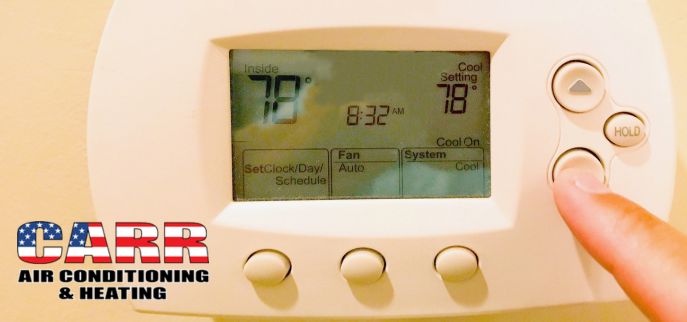
    The thermostat is the command center for your air conditioning system. If it’s not working correctly, your AC unit won’t receive the signal to turn on. First, ensure that the thermostat is set to the cooling mode and that the set temperature is lower than the current room temperature.

    If your thermostat is battery-operated, try replacing the batteries to see if this resolves the issue. Faulty wiring or a broken thermostat might also be the culprit, requiring professional intervention.

    3. Dirty or Clogged Filters

    A dirty air filter can severely hinder your AC unit’s functionality. If the filter is clogged, airflow is restricted, which can lead to a variety of issues, including preventing the unit from turning on. Regularly check and replace the air filters in your AC unit according to the manufacturer’s recommendations. This simple maintenance not only helps in preventing operational issues but also enhances the air quality in your home or office.

    4. Condensate Drain Line Blockage

    Most air conditioners have a built-in safety switch that shuts off the unit if the condensate drain line is blocked. This prevents water from backing up and causing damage to the system or your property. If you suspect a blockage, you may be able to clear it yourself, or you might need to call a professional to safely remove the clog and ensure the line is clear.

    5. Refrigerant Issues

    Low refrigerant levels can cause your AC unit to malfunction or not turn on. Refrigerant issues often stem from leaks in the system, which need to be professionally diagnosed and repaired. Operating an AC with low refrigerant can cause further damage to the unit, so it’s important to address this issue promptly.

    6. Capacitor or Compressor Failure

    The capacitor kick-starts the compressor, and the compressor is essential for the refrigeration cycle that cools your home or office. If either of these components fails, your AC unit may not turn on. Signs of these failures include a humming sound from the AC unit or no sound at all when you try to turn it on. These components require professional repairs or replacement.

    When to Call a Professional

    While some issues, like a tripped breaker or dirty filter, can be resolved without expert help, many air conditioning problems should be addressed by a certified technician. Professional AC repair services can provide a comprehensive diagnosis and safe, effective solutions that extend the life of your unit and ensure it’s working optimally.

    Contact Carr AC for AC Maintenance and Repair Services

    If your AC won’t turn on, it’s essential to diagnose the issue promptly to avoid prolonged discomfort. By understanding the common issues outlined above, you can take quick steps to troubleshoot your system and decide when it’s time to call in the experts. Remember, regular maintenance and repair are key to preventing many of these issues and keeping your air conditioning system in peak condition.
    Contact Carr AC today for a comprehensive AC issue diagnosis and repair. We’re here to keep your Florida home cool.

  • Signs You Need Emergency Residential HVAC Repairs

    Signs You Need Emergency Residential HVAC Repairs

    What are a few signs that your HVAC unit needs emergency repairs? 

    Living in Florida, where temperatures often soar, a fully functional HVAC system is not just a convenience—it’s a necessity. Recognizing the signs that your air conditioning system needs urgent repair can mean the difference between a slight discomfort and a significant disruption, especially during the peak of summer. Here are critical signs that indicate the need for emergency HVAC repairs in your home or office.

    1. Unusual Noises

    HVAC systems are designed to operate relatively quietly. If you start hearing unusual noises like grinding, screeching, or banging coming from your HVAC unit, it’s a sign that something is wrong. These sounds could indicate a loose belt, a problem with the motor bearings, or other mechanical issues that can lead to a complete system breakdown if not addressed promptly.

    2. No Cool Air

    At the heart of Florida’s summer, the last thing you want is an air conditioner that blows warm air or no air at all. If your AC is on but not cooling, it could be due to several issues, including low refrigerant levels, a faulty compressor, or a damaged air handler. Immediate professional repair is necessary to get your system back up and running efficiently.

    3. Foul Odors

    If you notice pungent or foul odors coming from your HVAC system, this is a clear indicator that your unit requires urgent attention. A burning smell could suggest an electrical failure, while a musty odor often points to mold within the unit or ductwork. Both scenarios require immediate intervention to prevent potential health hazards and further damage to the system.

    4. Frequent Cycling

    An HVAC system that turns on and off more frequently than usual—known as short cycling—can be a symptom of a severe problem. Short cycling puts extra stress on your air conditioner and can lead to increased wear and tear. This issue could stem from an oversized AC unit, an incorrect thermostat calibration, or a malfunctioning compressor.

    5. High Humidity Levels Inside

    Your HVAC system not only cools your home but also regulates humidity levels. If you start noticing that your indoor environment feels stickier or more humid than usual, it might be a sign that your HVAC system is not functioning correctly. Excessive humidity can promote the growth of mold and mildew, making prompt HVAC repair crucial.

    6. Water Leaks Around the Unit

    Any signs of water leakage around your HVAC unit can be a symptom of a serious problem. While some condensation is normal, excessive water leakage can indicate a clogged condensate drain line or a refrigerant leak. Both issues can lead to significant problems, such as water damage to your home and reduced operational efficiency.

    7. Spike in Energy Bills

    An unexpected increase in your energy bills can often point to inefficiency in your HVAC system’s operation. If your system is working harder than normal to maintain desired temperatures, it can significantly drive up your energy consumption. This inefficiency can stem from a dirty air filter, an issue with the HVAC’s ductwork, or aging components.

    Contact Carr AC for AC Maintenance and Repair Services 

    If you encounter any of these signs, it’s crucial to call for emergency AC repair services. In Florida, where the heat can be relentless, having an efficient, functioning air conditioning system is essential for your comfort and health. Don’t ignore the warning signs—getting timely repairs can save you from more extensive and expensive problems down the line. Trust a professional like Carr AC to handle your AC issues swiftly and efficiently, ensuring your home or office remains a cool, comfortable sanctuary.

    Call today to receive a free quote on AC repair services from your trusted partner, Carr AC. 

  • What Should Your AC Be On During Summer?

    What Should Your AC Be On During Summer?

    What temperature is best for staying comfortable during the summer? 

    As the scorching summer heat approaches, it’s crucial to ensure that your air conditioning (AC) system is running efficiently to keep your indoor environment cool and comfortable. Proper summer AC maintenance is essential not only for staying cool but also for improving air quality and maximizing energy efficiency. In this blog post, we’ll discuss the importance of summer AC maintenance and provide valuable tips to keep your AC unit running smoothly throughout the season.

    Summer AC Maintenance 

    AC Filter Change

    One of the simplest yet most crucial maintenance tasks is changing the AC filter regularly. A dirty filter restricts airflow, making your AC work harder and less efficiently. Aim to change your filter every 1-3 months, depending on usage and the type of filter you have. This simple step can improve air quality and prolong the life of your AC unit.

    Cleaning the Condenser Coils

    The condenser unit, typically located outdoors, plays a vital role in releasing heat from your home. Over time, dirt, debris, and vegetation can accumulate on the condenser coils, hindering proper heat transfer. Regularly clean the condenser coils using a gentle spray from a garden hose to remove any buildup and ensure optimal performance.

    Turn Off the Power

    Before performing any maintenance or repairs on your AC unit, always turn off the power to prevent accidents or injuries. Locate the disconnect switch near the outdoor unit or switch off the breaker in your electrical panel. Safety should always be a top priority when handling HVAC systems.

    Programmable Thermostat

    Investing in a programmable thermostat allows you to set different temperatures for various times of the day, optimizing energy usage and comfort. Set the temperature higher when you’re away from home to save energy, and lower it when you’re indoors to maintain a comfortable environment.

    Annual Maintenance

    Consider scheduling annual maintenance with a professional HVAC technician to inspect and tune up your AC system. A comprehensive maintenance check can identify potential issues early on, preventing costly repairs and ensuring optimal performance throughout the summer months.

    Improve Air Quality

    In addition to cooling your home, your AC system plays a significant role in indoor air quality. Ensure that your air filters are clean and functioning correctly to trap dust, pollen, and other airborne particles. You may also consider investing in air purifiers or UV germicidal lights to further enhance indoor air quality.

    Check the Indoor Air Handler

    The indoor air handler is responsible for circulating cool air throughout your home. Inspect the air handler for any signs of leaks, mold, or debris accumulation. Clean the vents and ducts to ensure unrestricted airflow and consistent cooling performance.

    Inspect the Outdoor Unit

    Take a moment to inspect the outdoor unit, also known as the condenser unit, for any signs of damage or obstruction. Trim any vegetation or debris around the unit to maintain proper airflow and prevent overheating.

    Maintenance Tips for Optimal Performance

    Aside from the specific tasks mentioned above, there are additional maintenance tips to ensure your AC system operates at its best during the summer months. Regularly check for refrigerant leaks, as low refrigerant levels can reduce cooling efficiency. Keep the area around your indoor and outdoor units clean and free from obstructions to allow for proper airflow. Additionally, listen for any unusual noises or odors coming from your AC system, as these could indicate underlying issues that require attention.

    Contact Carr AC for Summer AC Maintenance in Tampa Bay! 

    By following these summer AC maintenance tips, you can ensure that your AC unit operates efficiently, providing reliable cooling and improved indoor air quality throughout the hot summer months.

    Remember, regular maintenance not only extends the life of your AC system but also helps you save money on energy bills and avoid unexpected repairs. Prioritize summer AC maintenance to stay cool, comfortable, and healthy all season long.

    Contact Carr AC for summer AC maintenance. 

  • How Do I Know if My AC is Struggling to Cool?

    How Do I Know if My AC is Struggling to Cool?

    Why is your AC system struggling to cool your house? 

    As summer approaches, a functioning air conditioning unit is crucial for keeping your home cool and comfortable. However, AC systems, like any other mechanical system, can experience issues. Recognizing the signs of an AC struggling to cool can save you time and money, ensuring that small problems don’t escalate into larger, more costly ones.

    This guide will explain the signs that your AC may be struggling, touching upon various aspects such as AC repair, maintenance, and installation, and how to address common AC problems and issues.

    Signs Your AC is Struggling to Cool

    Reduced Airflow: One of the first signs that your AC unit might be struggling is reduced airflow. If cool air is not circulating as powerfully as it should, it could indicate problems with your air ducts or a damaged AC unit.

    Reduced airflow not only affects the efficiency of cooling your home but can also strain your HVAC system, leading to further issues.

    Warm Air Instead of Cool Air: If you’re feeling warm or hot air coming out of your system instead of cold air, it’s a clear sign that your AC is not removing heat from your home effectively. This issue could be due to a dirty evaporator coil, which impairs the system’s ability to absorb heat from the air, or a refrigerant leak, which directly affects the cooling power of your AC.

    Frequent Cycling: An AC system that turns on and off more frequently than normal is likely struggling. This frequent cycling can indicate a malfunction within the cooling system or an incorrectly sized AC unit for your home. Not only does this increase wear and tear on your air conditioning unit, but it also leads to higher energy bills.

    Unusual Noises: Air conditioning units are designed to run relatively quietly. Unusual noises such as grinding, squealing, or clicking are indicative of AC problems, potentially in the fan motor or other internal components. These sounds should not be ignored, as they can signal the need for immediate AC repair or even a full AC installation of a new unit.

    High Humidity Levels: Part of an air conditioner’s job is to remove excess moisture from the air. If you notice your home feels more humid than usual, it could mean your AC is not effectively removing heat and moisture. This issue can lead to discomfort and mold growth, highlighting the importance of AC maintenance.

    Addressing AC Issues

    AC Maintenance: Regular AC maintenance is essential to prevent many of the issues mentioned. This includes cleaning or replacing dirty air filters, ensuring air ducts are clear of obstructions, and having professional inspections to identify and fix potential problems before they worsen.

    AC Repair: If your AC is already showing signs of struggle, prompt AC repair is crucial. Professionals can address a wide range of problems, from a dirty condenser coil to a refrigerant leak, ensuring your system operates efficiently.

    AC Installation: In some cases, particularly with older AC units, repair may not be the most cost-effective option. A new AC installation can provide a more reliable and energy-efficient solution for cooling your home during hot days.

    Contact Carr AC for AC Repair and Maintenance

    Understanding the signs of an AC struggling to cool is essential for maintaining a comfortable and efficient home environment. By recognizing issues early, you can ensure timely AC repair, maintenance, or installation, avoiding the discomfort of a hot, unconditioned home. Regular maintenance is key to preventing AC issues and ensuring your system is ready to keep you cool and comfortable throughout the hot days ahead.

    Stay ahead of AC problems and ensure your home remains a haven from the heat.

    Contact Carr AC for AC repair and maintenance services today. 

  • Seasonal AC Maintenance Checklist for Florida Homeowners

    Seasonal AC Maintenance Checklist for Florida Homeowners

    Seasonal AC maintenance is one of the most important steps Florida homeowners can take to keep their cooling systems running efficiently during the long, hot summer months. With high humidity, heavy AC usage, and year‑round heat, staying ahead of maintenance helps prevent breakdowns, reduce energy bills, and extend the life of your HVAC system.

    Why Seasonal AC Maintenance Matters in Florida

    Florida’s climate puts more strain on AC systems than almost anywhere else in the country. Without proper seasonal AC maintenance, your system can lose efficiency, develop airflow issues, or even fail during peak heat. A simple seasonal checklist helps ensure your AC is ready before temperatures rise.

    1. Schedule Professional AC Maintenance

    Start your seasonal AC maintenance by scheduling a professional inspection. A licensed technician can identify worn parts, refrigerant issues, airflow restrictions, and electrical problems before they turn into expensive repairs. Regular check‑ups also help maintain your system’s warranty.

    For expert service, visit our AC maintenance page.

    2. Replace Air Filters for Better Indoor Air Quality

    Dirty air filters reduce airflow, increase energy usage, and lower indoor air quality. As part of your seasonal AC maintenance routine, replace your filter every 30–45 days during summer. Homes with pets, allergies, or high dust levels may need more frequent changes.

    Learn more about filter replacement here: How Often to Change an AC Filter.

    3. Clean Condenser and Evaporator Coils

    Over time, coils collect dirt and debris that restrict heat transfer. This forces your AC to work harder and increases energy consumption. Cleaning the condenser and evaporator coils during seasonal AC maintenance helps restore efficiency and prevents unnecessary strain on your system.

    According to the U.S. Department of Energy, dirty coils can significantly reduce system performance (source).

    4. Improve Airflow Around Your HVAC System

    Proper airflow is essential for efficient cooling. Make sure nothing blocks your indoor vents or outdoor condenser unit. Trim bushes, remove debris, and keep at least two feet of clearance around the outdoor system. Inside your home, avoid placing furniture over vents or returns.

    5. Follow Department of Energy Recommendations

    The Department of Energy recommends several steps to improve HVAC efficiency, including sealing ductwork, using programmable thermostats, and maintaining proper insulation. Incorporating these tips into your seasonal AC maintenance routine can reduce energy waste and lower utility bills.

    6. Perform Regular System Check‑Ups

    Seasonal AC maintenance isn’t just a once‑a‑year task. Keep an eye on unusual noises, weak airflow, inconsistent temperatures, or rising energy bills. These signs may indicate developing issues that should be addressed before they become major problems.

    7. Use Home Improvement Resources for DIY Care

    Many home improvement stores offer HVAC cleaning tools, coil cleaners, filters, and maintenance guides. While professional service is essential, homeowners can handle simple seasonal AC maintenance tasks like filter changes and clearing debris around the outdoor unit.

    Why Seasonal AC Maintenance Improves Efficiency

    A well‑maintained AC system cools your home faster, uses less energy, and experiences fewer breakdowns. Seasonal AC maintenance also improves indoor air quality, reduces humidity, and helps your system last longer — saving you money in the long run.

    Schedule Seasonal AC Maintenance with Carr Air Conditioning

    Seasonal AC maintenance is essential for Florida homeowners who want reliable cooling throughout the year. By following this checklist and scheduling professional service, you can enjoy better comfort, improved efficiency, and fewer unexpected repairs.

    Carr Air Conditioning provides expert AC repair, AC installation, and AC maintenance throughout Clearwater, Dunedin, Palm Harbor, and surrounding areas.

    Call us today at (727) 447‑7212 to schedule your seasonal AC maintenance and keep your home cool all summer long.

  • Dealing with AC Leaks and Water Drainage Issues

    Dealing with AC Leaks and Water Drainage Issues

    How to manage AC leaks and water drainage issues.

    As the temperatures rise, your trusty air conditioner becomes your greatest ally in maintaining a comfortable indoor environment. However, what do you do when your AC unit starts leaking water, turning your sanctuary into a potential water hazard?

    Today, we’ll delve into the common causes of AC leaks, the importance of regular maintenance, and the steps you can take to address water drainage issues effectively.

    Understanding the Problem

    The phrase “AC leaking water” can be a cause for concern, but understanding the root causes is crucial. Air conditioners can develop leaks due to various issues, such as a clogged condensate drain line, a damaged drain pan, or even a refrigerant leak. These problems can compromise your AC’s efficiency and, if left unattended, may lead to more significant issues, necessitating costly repairs or even replacement.

    AC Repairs and Maintenance

    Regular AC maintenance is the key to preventing leaks and ensuring the smooth operation of your cooling system. It involves inspecting and cleaning various components, such as the evaporator coil, condensate drain line, and air filters.

    One common culprit behind AC leaks is a frozen evaporator coil. When the evaporator coil freezes, it can cause water droplets to form on the coils. This can lead to an overflow, resulting in water leaking from your AC unit. Regularly checking and replacing a dirty air filter is a simple yet effective way to prevent the evaporator coil from freezing.

    Additionally, air conditioning systems may experience water leaks due to a clogged condensate drain line. Over time, dirt, debris, and algae can accumulate in the drain line, causing blockages. This hinders the proper drainage of water, leading to potential leaks. Professional AC maintenance involves clearing these blockages, ensuring that the condensate drain line remains free-flowing.

    Dealing with AC Leaks

    If you find that your air conditioner is leaking water, it’s essential to take immediate action to prevent further damage. Begin by identifying the source of the leak. Check for a damaged drain pan, visible water around the unit, or signs of moisture on walls or ceilings. If you suspect a refrigerant leak, it’s crucial to contact a professional technician promptly.

    In cases of water leaks, a wet-dry vacuum can be a handy tool to remove excess water around the AC unit. However, this is just a temporary solution. To address the root cause, it’s advisable to consult with an AC repair specialist who can diagnose the issue accurately and provide a lasting solution.

    Preventing Future Issues

    Preventing AC leaks and water drainage problems involves proactive measures. Regularly schedule AC maintenance to keep the system in top condition. This includes cleaning or replacing air filters, inspecting the condensate drain line, and ensuring the drain pan is intact. These simple steps can go a long way toward preventing potential leaks and extending the lifespan of your air conditioning unit.

    Contact Carr AC for AC Leak Repairs

    Dealing with AC leaks and water drainage issues is a crucial aspect of maintaining a comfortable indoor environment. Whether it’s addressing a frozen evaporator coil, clearing a clogged condensate drain line, or handling a refrigerant leak, understanding the causes and taking prompt action is essential.

    Invest in regular AC maintenance to prevent these issues and ensure that your cooling system operates efficiently, providing cool relief without any unwanted water surprises. Remember, a well-maintained AC not only cools the warm air but also prevents potential headaches associated with leaks and water damage.

    Contact Carr AC to schedule a consultation today!

  • The Advantages of Pool Heat Pumps: An Energy-Efficient Solution

    The Advantages of Pool Heat Pumps: An Energy-Efficient Solution

    Why are pool heat pumps beneficial for saving energy when heating your pool? 

    In the realm of pool heating, savvy homeowners are increasingly turning to the installation of a pool heat pump as a reliable and energy-efficient solution. As the demand for sustainable and cost-effective technologies continues to rise, the advantages of pool heat pumps become more evident. Join us as we explore the numerous benefits that make these systems a smart investment for your swimming pool and how our air conditioning company can help you dive into a new era of pool comfort.

    1. Energy Efficiency

    Pool heat pumps operate on the principle of extracting heat from the surrounding air and transferring it to the pool water. This process is incredibly energy-efficient, as it relies on ambient air temperature rather than generating heat from an external source. This not only reduces energy consumption but also contributes to a more eco-friendly and sustainable pool heating solution.

    2. Consistent Performance

    Unlike some traditional heating methods, pool heat pumps provide consistent performance regardless of external factors like weather conditions. They are designed to work efficiently in various climates, ensuring that your pool remains at the desired temperature year-round.

    3. Cost Savings 

    Energy efficiency translates into cost savings over time. Pool heat pumps can significantly reduce your pool heating expenses, offering a more economical alternative compared to gas heaters or electric resistance heaters. The initial investment in a pool heat pump is often recouped through lower operational costs in the long run.

    4. Longevity and Durability

    Pool heat pumps are known for their durability and longevity. With proper maintenance and care, these systems can provide reliable performance for many years, making them a wise and sustainable investment in your home.

    5. Environmentally Friendly

    By relying on ambient air temperature for heat transfer, pool heat pumps have a lower environmental impact compared to other heating methods. They produce fewer greenhouse gas emissions, making them a greener choice for environmentally conscious homeowners.

    6. Easy Installation and Integration

    Our air conditioning company specializes in the seamless installation and integration of pool heat pumps. These systems are designed for easy retrofitting, making them a convenient option for both new pool installations and upgrades to existing pools.

    7. Quiet Operation

    Enjoy a peaceful poolside atmosphere with the quiet operation of pool heat pumps. Unlike some traditional heating systems, these pumps operate with minimal noise, allowing you to fully relax and unwind by your pool.

    8. Smart Technology Integration

    Many pool heat pumps come with smart technology features, allowing you to control and monitor your pool’s temperature remotely. This level of control not only enhances convenience but also contributes to optimized energy usage.

    Contact Carr AC for Swimming Pool Heat Pump Repair and Maintenance 

    Pool heat pumps are a game-changer in the world of pool heating. With their energy efficiency, cost savings, and eco-friendly attributes, these systems offer a compelling alternative for homeowners seeking reliable and sustainable pool comfort solutions. At Carr AC, we are committed to providing top-notch installation, maintenance, and support for pool heat pump systems.

    If your pool heat pump needs repair or maintenance, contact Carr AC today. Our team has years of experience repairing and maintaining pool heat pumps throughout Florida and will be ready to assist you.

    Contact us today to explore how a pool heat pump can elevate your pool experience, offering both comfort and environmental responsibility. 

  • How to Extend the Lifespan of Your Air Conditioning Unit

    How to Extend the Lifespan of Your Air Conditioning Unit

    Tips to extend the lifespan of your AC unit.

    Your air conditioning unit is a silent hero, diligently working to keep your home comfortable through sweltering summers and chilly winters. However, like any hardworking appliance, it requires care to ensure it operates efficiently for an extended period of time. Today, we’ll explore practical tips on how to extend the lifespan of your air conditioning unit, touching on essential aspects such as regular maintenance, repair, and energy efficiency.

    Regular Maintenance Matters

    Just like any other machine, your air conditioning unit benefits greatly from regular maintenance. Hiring a professional HVAC technician for annual check-ups can help identify and address potential issues before they escalate. Routine inspections, filter changes, and cleaning the condensing unit are crucial steps in preventing breakdowns and maximizing efficiency.

    Understanding the Lifespan

    On average, air conditioning units have a lifespan of 15 to 25 years. However, this depends on various factors, including the frequency of use, the quality of the installation, and the level of maintenance. A well-maintained system is more likely to reach the upper end of this range, providing you with reliable cooling for a longer period of time.

    Energy Efficiency Equals Extended Life

    Investing in an energy-efficient air conditioning unit not only reduces your carbon footprint but also contributes to a longer lifespan for your system. Energy-efficient models consume less power, resulting in less strain on the components and ultimately extending the life of the unit. Consider upgrading to a modern, eco-friendly model to enjoy both comfort and longevity.

    Keep the Outdoor Unit in Top Shape

    The outdoor unit, also known as the condensing unit, plays a crucial role in the functionality of your air conditioning system. Ensure that it is free from debris, vegetation, and other obstructions that may hinder proper airflow. Regularly clean the coils and check for any signs of wear and tear. A well-maintained outdoor unit can significantly contribute to the overall performance and lifespan of your AC.

    Knowing When to Repair or Replace

    Understanding when to repair or replace your air conditioning unit is crucial to maximizing its lifespan. If your system is over 15 years old and frequently requires repairs, it might be more cost-effective in the long run to consider a replacement. Consult with an HVAC technician to assess the condition of your unit and help you make an informed decision.

    Avoiding the Efficiency Drop

    Air conditioning units, like any other mechanical system, can lose efficiency over time. This can be attributed to factors such as wear and tear, aging components, or a lack of proper maintenance. Regular check-ups and timely repairs can help mitigate efficiency loss, ensuring that your unit operates at its optimal capacity throughout its lifespan.

    Maintaining Air Quality

    A well-maintained HVAC system not only keeps your home cool but also contributes to better indoor air quality. Clean filters and properly functioning components help remove pollutants, allergens, and contaminants from the air, creating a healthier living environment. This not only benefits your health but also prevents unnecessary strain on your air conditioning unit.

    Contact Carr AC for AC Repair and Maintenance to Extend the Lifespan of Your AC Unit

    In conclusion, extending the lifespan of your air conditioning unit is not only achievable but also essential for long-term comfort and cost savings. By investing in regular maintenance, understanding the lifespan of your system, and prioritizing energy efficiency, you can ensure that your AC unit serves you well for years to come. If you’re unsure about the condition of your HVAC system, consult with a professional HVAC technician to make informed decisions about repairs or replacements.

    Are you ready to give your air conditioning unit the care it deserves? Schedule a free consultation with Carr AC and let our experts guide you towards a cooler, more efficient home. Your comfort is our priority!

  • What is the Best Temperature to Keep Your Heater in Winter?

    What is the Best Temperature to Keep Your Heater in Winter?

    Winter is here, so what is the best temperature to keep inside your home?

    As winter’s frosty embrace tightens its grip, the desire for the ideal indoor temperature becomes a common challenge for homeowners. Determining the best temperature for your heater in winter is a detailed decision influenced by factors such as personal comfort, energy efficiency goals, and overall well-being. Today, we will delve into the considerations and recommendations surrounding the best temperature to keep your heater warm during the chilly winter months.

    Comfort and Health: The 68-72 Degree Sweet Spot

    Experts generally advise maintaining a thermostat setting between 68 and 72 degrees Fahrenheit while you’re at home and active. This temperature range strikes a balance between comfort and energy efficiency. It provides a cozy environment for most individuals, preventing the discomfort associated with a winter cold while ensuring a reasonable energy consumption level.

    This sweet spot is not arbitrary; it considers both physical comfort and the potential financial burden of excessive heating. Keeping your indoor space within this range supports a warm and inviting atmosphere, enhancing your overall well-being during the colder months.

    Energy Efficiency

    While the pursuit of comfort is crucial, it’s equally important to be mindful of energy efficiency to prevent skyrocketing heating costs. Each degree above the recommended range can significantly impact your energy consumption and utility bills. By adhering to the 68–72-degree guideline, you strike a delicate balance, ensuring a warm home without compromising your energy consumption and bills.

    Programmable Thermostats: Precision and Efficiency

    Enter the programmable thermostat, a game-changer in the quest for an optimal indoor temperature. These smart devices allow you to schedule temperature adjustments based on your daily routine. For instance, you can program the thermostat to lower the temperature when the house is empty or during sleeping hours and increase it before waking up or returning home.

    This level of precision enhances both comfort and energy efficiency. You get to enjoy warmth when you need it most, and the thermostat automatically adjusts to conserve energy when heating is less critical.

    Nighttime Settings: Sweet Dreams and Energy Savings

    Nighttime offers an opportunity for additional energy savings. Many people find lower temperatures conducive to sleep, and adjusting the thermostat accordingly can be beneficial. A nighttime setting of around 60–65 degrees strikes a balance between comfort and conservation, aligning with the body’s natural tendency to require less warmth during rest.

    Occupancy and Zoning: Tailoring Heat to Need

    For homes with multiple zones equipped with individual thermostats, consider leveraging occupancy and zoning strategies. Adjust temperatures based on room usage, keeping unused spaces cooler and directing heat to occupied areas. This targeted approach optimizes energy use, avoiding unnecessary heating in unoccupied rooms.

    Insulation and Sealing

    Regardless of the chosen temperature setting, the efficiency of your heating system hinges on proper insulation and sealing. Ensure that doors and windows are tightly sealed and that your home is adequately insulated to retain the warmth generated by your heater. This proactive step minimizes energy waste, promoting a consistently warm indoor environment.

    Contact Carr AC for Heater Repair, Maintenance, and Installation Services

    Determining the best temperature for your heater in winter involves a thoughtful blend of personal comfort and energy efficiency. The 68–72-degree Fahrenheit range stands out as a well-researched and recommended guideline, providing a comfortable living environment while keeping energy costs in check. Integrating programmable thermostats, adjusting temperatures during the night, and implementing occupancy-based zoning strategies further refine this balance.

    Remember, the goal is to create a warm and inviting home that aligns with your lifestyle while maintaining a consciousness of energy consumption. Regular heating system maintenance, coupled with proper insulation and sealing, contributes to an energy-efficient home that remains comfortable throughout the winter season. By adopting these practices, you can navigate winter with confidence, striking the right balance for a warm and cozy indoor space.

    If your heating or AC system needs repairs or maintenance, Contact Carr AC for fast and efficient services.

  • 8 Reasons Your Pool Heat Pump Has Stopped Working

    8 Reasons Your Pool Heat Pump Has Stopped Working

    Your Pool Heat Pump stopped working? Here are a few reason why…

    A pool heat pump is like the heart of your swimming pool, making sure the water stays just right for a relaxing swim. Yet, just like any machine, pool heat pumps can run into problems that stop them from working correctly. Today, we’ll look at eight reasons why your pool heat pump might have stopped working and explore ways to fix them through pool heat pump repair.

    1. Thermostat Troubles

    If your pool heat pump isn’t working, a malfunctioning thermostat could be the culprit. The thermostat is like the brain, sensing the water temperature and telling the pump when to heat or cool. Make sure to check and adjust your thermostat regularly to make sure it’s doing its job. You can find instructions in your pool heat pump’s manual on how to do this.

    2. Water Flow Woes

    Sometimes, not having enough water flowing through the system can cause your pool heat pump to act up. Check that the water circulation system, including the pump and filter, is doing its job. Low water flow can cause the heat pump to overheat and shut down. Keep your pool filter clean to avoid debris blocking the water flow.

    3. Refrigerant Leaks

    If your pool heat pump isn’t heating as it should, a refrigerant leak might be the issue. Finding and fixing these leaks should be left to professionals who know how to handle refrigerants safely.

    4. Electrical Glitches

    Problems with electrical connections or parts can also make your pool heat pump stop working. Look at the wiring, terminals, and electrical bits for any signs of wear or damage. If you’re not comfortable with electrical stuff, ask a qualified pool heat pump repair expert for help.

    5. Dirty Coils

    The coils in your pool heat pump are crucial for transferring heat to the water. Over time, they can get dirty with debris and minerals, making them less efficient. Regularly cleaning the coils can help keep the heat flowing and prevent your heat pump from shutting down due to overheating.

    6. Size Matters

    Using a pool heat pump that’s too small for your pool can cause heating problems and breakdowns. Make sure your heat pump is the right size for your pool’s water volume. If you’ve made your pool bigger, you might need a larger heat pump to meet the extra heating demand.

    7. Weather Woes

    Bad weather, like heavy rainfall or debris, can mess with your pool heat pump’s performance. Regularly check and clear the area around your heat pump to make sure it’s getting enough air and isn’t blocked.

    8. Age and Wear

    All machines, including pool heat pumps, have a limited lifespan. If your pump is getting old or showing signs of wear and tear, it might break down more often. Consider your pump’s age and decide if it’s better to fix it or replace it. Regular maintenance can also help your pump last longer and lower the chances of unexpected problems.

    Contact Carr AC for Pool Heat Pump Repair and Maintenance

    Knowing why pool heat pumps stop working is crucial for fixing them and keeping them in good shape. Regular maintenance, frequent checks, and professional help when needed can help your pool heat pump stay in top condition, making sure your swimming experience is always warm and enjoyable. If you’re having ongoing problems, don’t hesitate to get advice from a qualified pool heat pump repair specialist to quickly address the issue.

    For pool heat pump repair and maintenance Contact Carr AC today.