Repair Archives - Page 3 of 5 - Carr Air Conditioning Repair Archives - Page 3 of 5 - Carr Air Conditioning

Category: Repair

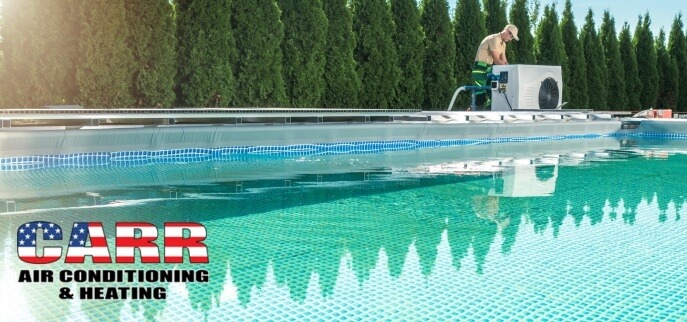
  • How Can a Pool Heat Pump Save Money?

    How Can a Pool Heat Pump Save Money?

    Can your swimming pool heat pump save money?

    Owning a pool is a luxury, but the costs associated with keeping the water at an ideal temperature can add up. Enter the pool heat pump, a smart and energy-efficient solution that not only ensures a comfortable swimming experience but also contributes to substantial savings in the long run. In this article, we explore how a pool heat pump can be a money-saving investment for pool owners.

    1. Energy Efficiency

    One of the primary ways a pool heat pump saves money is through its inherent energy efficiency. Unlike traditional heating methods that generate heat, pool heat pumps transfer heat from the surrounding air to the pool water. This process is significantly more energy-efficient, resulting in lower operational costs compared to gas heaters or electric resistance heaters.

    2. Lower Operational Costs

    The operating cost of a pool heat pump is notably lower than that of alternative heating methods. The energy consumption is minimal because the heat pump relies on ambient air to extract heat. This not only reduces the environmental impact but also leads to considerable savings on monthly energy bills.

    3. Utilizing Ambient Air

    Pool heat pumps operate by extracting heat from the surrounding air, even in cooler temperatures. This means they can efficiently generate warmth for your pool without the need for expensive external fuel sources. As long as the air temperature remains above a certain threshold, the pool heat pump can harness the available heat, making it a cost-effective solution for year-round pool enjoyment.

    4. Long-Term Investment

    While the initial cost of purchasing and installing a pool heat pump may seem higher than other heating options, it is essential to view it as a long-term investment. The energy efficiency and durability of heat pumps often result in a rapid return on investment as the savings on energy bills accumulate over time.

    5. Lower Maintenance Costs

    Pool heat pumps generally require less maintenance compared to traditional heating systems. With fewer mechanical components and simpler operation, the likelihood of breakdowns and the associated repair costs are reduced. Regular maintenance, such as cleaning the coils and checking the refrigerant levels, can help extend the lifespan of the heat pump, contributing to additional long-term savings.

    6. Programmable Settings

    Many modern pool heat pumps come equipped with programmable settings and timers. This feature allows pool owners to optimize the operation of the heat pump based on their specific usage patterns. By programming the heat pump to run during off-peak electricity hours or when the pool is most likely to be in use, owners can further enhance energy efficiency and reduce costs.

    7. Environmental Friendliness

    Beyond financial savings, pool heat pumps are environmentally friendly. Their reliance on ambient air and energy-efficient operation reduces the carbon footprint associated with pool heating. Pool owners can enjoy the comfort of a heated pool while contributing to sustainable and eco-conscious practices.

    8. Regional Incentives and Rebates

    In some regions, governments and utility companies offer incentives and rebates for installing energy-efficient pool heating systems, including pool heat pumps. Taking advantage of these programs can make up for the initial cost of purchasing and installing a pool heat pump, making it an even more cost-effective solution.

    Contact Carr AC for Swimming Pool Heat Pump Repair and Maintenance

    A pool heat pump is a savvy investment for pool owners seeking both comfort and financial savings. Its energy-efficient operation, utilization of ambient air, lower maintenance costs, and programmable settings make it a cost-effective and environmentally conscious choice.

    By harnessing the power of the surrounding air, a pool heat pump transforms your pool into a year-round oasis without breaking the bank. Dive into savings and enjoy the benefits of an efficient pool heating solution that pays off in both comfort and cost-effectiveness.

    Contact Carr AC for swimming pool heat pump repair and maintenance and get a free consultation.
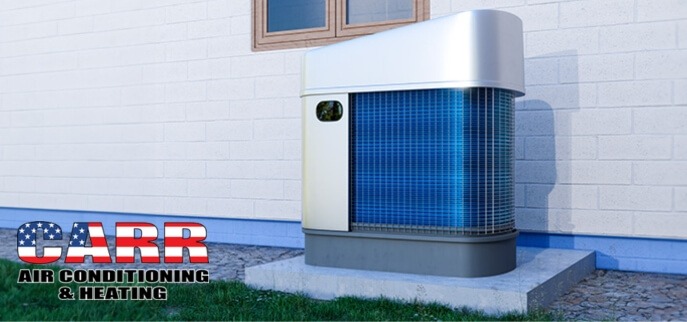
  • Should I Leave My Swimming Pool Heat Pump On All Night?

    Should I Leave My Swimming Pool Heat Pump On All Night?

    Should you turn off your pool heat pump at night?

    Owning a swimming pool comes with its fair share of decisions, and one common question is whether to leave the pool heat pump on throughout the night. The decision can significantly impact energy consumption, pool temperature, and overall efficiency. Today, we explore the factors to consider when contemplating the question, “Should I leave my swimming pool heat pump on all night?”

    1. Energy Consumption

    One of the primary considerations when deciding whether to run a swimming pool heat pump overnight is energy consumption. Heat pumps are generally designed to be energy-efficient, but keeping them operational 24/7 may lead to increased electricity usage. It’s essential to weigh the energy costs against the desired pool temperature and the convenience of maintaining it consistently.

    2. Temperature Maintenance

    Leaving the pool heat pump on overnight contributes to a more stable pool temperature. If you prefer to enjoy a warm pool first thing in the morning or throughout the day without waiting for the heat pump to catch up, keeping it on during the night can be beneficial. This continuous operation helps maintain a consistent temperature, eliminating the need for the heat pump to work harder during the day to reach the desired warmth.

    3. Heat Loss

    Swimming pool heat pumps are designed to operate efficiently, but they are not immune to heat loss. If the ambient temperature drops significantly during the night, the pool water may lose heat. Running the heat pump overnight can counteract this heat loss, ensuring that the pool temperature remains relatively stable.

    4. Time-of-Use Electricity Rates

    In regions where time-of-use electricity rates are applicable, the cost of running a swimming pool heat pump can vary depending on the time of day. Some utility providers offer lower rates during off-peak hours, making it more economical to run the heat pump at night. Understanding your electricity billing structure can influence the decision to leave the heat pump on overnight.

    5. Pool Cover Usage

    The use of a pool cover can significantly impact the decision to run the heat pump throughout the night. Pool covers act as insulators, reducing heat loss and aiding in temperature retention. If you regularly use a pool cover, it may not be necessary to run the heat pump continuously overnight, as the cover helps preserve the warmth generated during the day.

    6. Environmental Considerations

    For environmentally conscious pool owners, the environmental impact of continuous heat pump operation is a crucial factor. While heat pumps are generally considered more eco-friendly than some alternative heating methods, minimizing energy consumption aligns with sustainable practices. Balancing comfort with environmental responsibility is a key consideration when deciding on the nighttime operation of the swimming pool heat pump.

    Contact Carr AC for Pool Heat Pump Repair in Tampa Bay

    In the end, the decision to leave a swimming pool heat pump on all night depends on a combination of personal preferences, energy costs, and environmental considerations. Assessing factors such as energy consumption, temperature maintenance goals, and pool cover usage can help pool owners strike a balance between comfort and efficiency.

    If energy costs are a concern, pool owners may choose to run the heat pump selectively, using timers or programmable settings to optimize operation during periods of lower electricity rates or when pool usage is anticipated. Ultimately, finding the right balance ensures a comfortable and inviting pool without compromising energy efficiency.

    The nighttime operation of a swimming pool heat pump is a decision influenced by individual priorities and external factors. By considering energy consumption, temperature maintenance goals, and environmental impact, pool owners can make informed choices that align with their preferences and values.

    If your pool heat pump needs repairs or maintenance, contact Carr AC today. Our technicians will repair and maintain your swimming pool heat pump and keep your pool ready for use all year long!

    Don’t Wait — Book Your Free Consultation Today!

  • How Do Pool Heat Pumps Work? A Comprehensive Guide by Carr AC

    How Do Pool Heat Pumps Work? A Comprehensive Guide by Carr AC

    How do pool heat pumps work? If your pool has a heat pump, what repair and maintenance tasks should you leave to the professionals? Pool heat pumps are energy-efficient devices designed to raise the water temperature in your swimming pool, ensuring a comfortable and enjoyable swimming experience.

    Today, we’ll explain the working principles of pool heat pumps and outline common maintenance and repair tasks best handled by experts.

    Understanding How Pool Heat Pumps Work

    Pool heat pumps are a popular choice for heating swimming pools due to their energy efficiency and eco-friendliness. Unlike gas pool heaters that use burning gas to generate heat, heat pumps harness the heat from the air to warm the water in your pool.

    Here’s a step-by-step breakdown of how pool heat pumps work:

    Evaporator Coil

    The process begins when warm air from the surrounding environment is drawn into the heat pump. This warm air passes over the evaporator coil, which contains a liquid refrigerant.

    Heat Absorption

    The liquid refrigerant absorbs the heat from the warm air, causing it to evaporate and turn into a gas.

    Compression and Heat Creation

    The gas, now in a high-pressure state, is compressed by the compressor within the heat pump. This compression process significantly increases the gas’s temperature, creating hot gas.

    Heat Transfer

    The hot gas flows through the condenser coil, transferring its heat to the water from the pool that circulates through the coil.

    Heat Transfer to Water

    As the hot gas releases its heat into the water, it condenses back into a liquid refrigerant.

    Returning to the Evaporator

    The liquid refrigerant returns to the evaporator coil to repeat the cycle and continue heating the pool water.

    This continuous cycle heats your pool efficiently by utilizing the warm air, and it’s more energy-efficient compared to traditional gas pool heaters.

    Common Repair and Maintenance Tasks

    While pool heat pumps are reliable and efficient, they require regular maintenance to ensure they operate optimally and have a long lifespan.

    Here are some common maintenance tasks and repair issues that homeowners should rely on professionals to handle:

    Refrigerant Levels

    Checking and adjusting refrigerant levels is a crucial maintenance task. Too much or too little refrigerant can affect the efficiency and effectiveness of the heat pump.

    Electrical Components

    Testing and maintaining electrical components, including connections, wires, and controls, to ensure they function correctly and safely.

    Condenser and Evaporator Coils

    Cleaning and inspecting the condenser and evaporator coils to ensure they are free of debris and functioning efficiently.

    Fan and Airflow

    Inspecting and cleaning the fan and airflow system to maintain proper air circulation, which is essential for effective heat transfer.

    Defrost Cycle

    Checking and testing the defrost cycle to ensure it functions correctly during colder weather, preventing ice buildup on the outdoor unit.

    Heat Exchanger

    Inspecting and cleaning the heat exchanger to ensure optimal heat transfer and prevent any corrosion or scaling.

    Professional Repairs

    Any complex or major repairs, such as compressor issues or motor malfunctions, should be handled by experienced HVAC professionals to ensure safety and proper functioning.

    Contact Carr AC for Pool Heat Pump Repair and Maintenance

    Understanding how pool heat pumps work is essential for homeowners looking to efficiently heat their swimming pools while minimizing energy consumption. Regular maintenance and timely repairs by professionals ensure that your pool heat pump operates effectively, providing you with a comfortably heated pool throughout the year. For expert assistance and maintenance of your pool heat pump, rely on Carr AC!

    Our expert HVAC technicians will inspect, repair, and maintain your swimming pool heat pumps to ensure they are working all year long! Contact our team today for a consultation.

  • Pool Heat Pump Maintenance: Maintaining Your Heat Pump

    Pool Heat Pump Maintenance: Maintaining Your Heat Pump

    Essential Tips for a Longer Pool Heater Life

    If you own a swimming pool, you know the joy and relaxation it brings during warm summer days. To ensure your pool remains inviting and comfortable, having a properly maintained swimming pool heat pump is key. Just like your home’s HVAC unit, your pool heat pump needs regular upkeep to extend its life and keep it functioning optimally.

    Understanding the BasicsAll Pages

    Swimming pool heat pumps operate by using electricity to capture heat from the surrounding air and transfer it to the pool water. This process keeps your pool water warm and enjoyable for swimming, even during cooler seasons. Much like an HVAC system, they consist of coils and fans that play a crucial role in regulating temperature.

    Maintenance Similarities with HVAC Units

    In terms of maintenance needs, swimming pool heat pumps share several similarities with traditional HVAC units. Regular upkeep is essential to ensure they operate efficiently and effectively. Let’s explore some common maintenance tips for swimming pool heat pumps and how they align with HVAC units:

    1. Regular Cleaning: Keep It Free of Debris

    Just like an HVAC unit, your swimming pool heat pump’s efficiency can be compromised if it’s clogged . Clean the surrounding area regularly, removing leaves, twigs, and other debris that could hinder airflow.

    Swimming Pool Heat Pump Maintenance Tip: Use a garden hose to gently clean the unit and keep it free of debris.

    2. Clean the Coils

    Both HVAC units and swimming pool heat pumps have coils that need regular cleaning. In the case of a pool heat pump, the evaporator coil absorbs heat from the air, and the condenser coil releases it into the pool water.

    Swimming Pool Heat Pump Maintenance Tip: Clean the coils to ensure efficient heat transfer, allowing your pool heater to function effectively.

    3. Maintain Proper Airflow

    Good airflow is crucial for both HVAC units and swimming pool heat pumps. Ensure that there are no obstructions around the unit, allowing air to circulate freely.

    Swimming Pool Heat Pump Maintenance Tip: Trim any plants or bushes near the unit to maintain proper airflow and improve its efficiency.

    4. Check for Leaks 

    Inspect your pool heat pump for any signs of leaks. Addressing these issues promptly can prevent further damage. This can extend the lifespan of your pool heat pump.

    Swimming Pool Heat Pump Maintenance Tip: If you notice any leaks or corrosion, contact a professional for repairs to maintain your pool heater’s functionality.

    5. Monitor Pool Water Quality

    The quality of your pool water impacts the performance and lifespan of your pool heat pump. Ensure that your pool water is properly balanced and chemically treated to prevent corrosion and other damage to the heat pump.

    Swimming Pool Heat Pump Maintenance Tip: Regularly test and treat your pool water to maintain optimal conditions for your pool heat pump.

    Contact Carr AC for Swimming Pool heat Pump Maintenance

    Just like your home’s HVAC unit, a swimming pool heat pump requires regular maintenance to ensure it functions efficiently and extends the life of your pool heater.

    By following these maintenance tips, you can keep your swimming pool heat pump in top condition, providing you with a warm and inviting pool to enjoy all year round! Remember to clean the coils, keep them free of debris, and maintain proper airflow—your pool will thank you with a longer lifespan and enjoyable swims!

    If you need help with swimming pool heat pump maintenance, contact Carr AC today for a consultation.

  • How to Keep AC Drain Lines From Getting Clogged

    How to Keep AC Drain Lines From Getting Clogged

    How to prevent AC drain lines from clogging.

    Air conditioning units are a lifesaver during the peak of summer. However, just like any other appliance, AC units need regular maintenance to function effectively. One common problem that can affect air conditioners is a clogged AC drain line. This issue with your air conditioner can happen over time for several reasons.

    Understanding the AC Drain Line

    The air conditioner drain line, which is also called the condensate drain, is a crucial component of your air conditioning unit. It directs the water created during the cooling process out of your home. However, the damp environment in the drain line is an ideal breeding ground for mold and algae, which can eventually lead to a clogged AC drain line.

    Why Does a Drain Line Get Clogged?

    An AC drain line gets clogged mainly due to the accumulation of dirt, mold, algae, and other debris over time. Your air conditioner doesn’t only cool the indoor air; it also dehumidifies it, which produces condensation. This condensation drips down from the evaporator coil into a condensate pan and then exits your home through the AC drain line.

    Regular AC Maintenance: The First Step

    Regular AC maintenance is crucial to preventing a clogged AC drain line. Part of the routine maintenance should include checking the AC filter and replacing it as required. A clean filter will reduce dust and debris, minimizing the chances of your drain line getting clogged.

    Recognizing the signs of a clogged AC drain line is crucial to preventing serious damage to your AC system and your home.

    Here are some key symptoms to watch out for:

    Water Leaks

    One of the most common signs of a clogged AC drain line is water leaking from your air conditioning unit. You might notice pools of water around your indoor unit or water stains on the surrounding walls or ceiling.

    Increased Humidity

    If the drain pipe is clogged, your AC unit can’t effectively remove moisture from the air, resulting in higher humidity levels inside your home.

    Unpleasant Smells

    Mold, mildew, and stagnant water in a clogged drain line can produce musty or rotten egg-like odors.

    AC System Shuts Down

    Some modern AC systems will automatically shut down if the drain pan overflows.

    Visible Mold

    A clogged drain line can create an environment conducive to mold growth. You might notice mold around the air vents or the AC unit.

    Reduced AC Performance

    The unit might struggle to cool your home or run in short, frequent cycles.

    If you notice any of these symptoms, it’s best to call a professional immediately to inspect your AC unit and clear the drain line if necessary.

    Cleaning the AC Drain Line

    A crucial aspect of maintaining your air conditioning system is keeping the AC drain line clean. This task involves using a wet-dry vacuum to suck out any standing water and debris in the PVC pipe. Regularly pouring a cup of vinegar or warm water down the drain line can help prevent clogs and mold growth.

    Install a Drain Pan and Drain Line Overflow Protection

    Installing a drain pan under the indoor unit can prevent water damage if your AC drain line remains clogged. A drain pan overflow shutoff switch can also automatically turn off your AC system if the drain pan fills up, preventing further water damage.

    Clearing a Clogged AC Drain Line

    Despite your best efforts, you may find that your AC drain line is still clogged. You can try using a wet-dry vacuum to unclog the drain line. If this doesn’t work, it’s time to call in the professionals.

    Why Professional AC Repair Services Matter

    A professional AC repair company has the equipment to effectively clear clogged AC drain lines. They can also inspect your entire AC system, including the evaporator coil and other components, to ensure everything is functioning as it should. Besides AC repairs, they also offer AC installations and regular AC maintenance services, which can help prevent issues like clogged AC drain lines in the future.

    AC Drain Line Clogged? Reach Out to Carr AC Today!

    Carr AC offers a full range of services, including AC repairs, AC installations, and regular AC maintenance, to ensure your air conditioner works efficiently throughout the summer. Our experts have the skills and experience to tackle any issue, including a clogged AC drain line.

    Discover What Carr AC Can Do for You — Call Us Today!

  • How Often Should You Change an AC Filter During the Summer?

    How Often Should You Change an AC Filter During the Summer?

    Understanding how often to change ac filter is one of the easiest ways to keep your cooling system running efficiently during Florida’s hot summer months. Because your AC works harder this time of year, your filter collects dust, debris, and allergens much faster than usual.

    Replacing your AC filter regularly helps reduce strain on the system, lowers energy bills, and improves indoor air quality — especially if you have pets, allergies, or young children.

    Because Florida homes rely on air conditioning almost year‑round, knowing how often to change ac filter becomes even more important. A clean filter supports better airflow, stronger cooling performance, and improved indoor comfort.

    How Often to Change AC Filter in Summer

    Most homeowners should replace their AC filter every 30–45 days during the summer. While many filters are rated for 60–90 days, Florida’s humidity and heavy AC usage shorten that lifespan significantly.

    If you’re unsure how often to change ac filter in your home, the safest approach is to check it monthly. If it looks dirty, replace it immediately — even if it hasn’t reached the recommended timeframe.

    The Role of an AC Filter

    Your AC filter traps dust, pollen, pet hair, and other airborne particles before they circulate through your home. A clean filter improves indoor air quality and helps your AC operate efficiently.

    A clogged filter restricts airflow, forcing your system to work harder. This can lead to higher energy bills, reduced cooling performance, and even system breakdowns. According to the U.S. Department of Energy, replacing a dirty filter can reduce energy use by up to 15% (source).

    Why Regular Filter Replacement Matters

    Replacing your AC filter is one of the most cost‑effective ways to maintain your HVAC system. A dirty filter increases wear and tear, reduces efficiency, and can eventually lead to expensive repairs or premature system failure.

    Dirty filters also allow pollutants to bypass the filter and circulate through your home, which can worsen allergies and respiratory issues.

    Factors That Affect How Often to Change AC Filter

    1. Size of Your Home

    Larger homes circulate more air, which means filters collect debris faster and need more frequent replacement.

    2. Indoor Air Quality

    Homes near busy roads, construction, or dusty environments will clog filters faster.

    3. Pets

    Pet hair and dander are major contributors to clogged filters. Homes with pets should replace filters more often.

    4. Type of Filter

    Pleated filters last longer than fiberglass filters, but both should be checked monthly during summer.

    How Often to Change AC Filter: Quick Guide

    • Fiberglass filters: Replace every 30 days.
    • Pleated filters: Replace every 45–60 days.
    • Homes with pets: Replace every 30 days.
    • Allergy sufferers: Replace every 20–30 days.
    • Vacation homes: Replace every 60–90 days.

    Additional Tips for Summer AC Filter Maintenance

    Understanding how often to change ac filter is only part of proper AC care. Here are a few extra tips:

    • Set a monthly reminder to check your filter.
    • Keep return vents clear of furniture and clutter.
    • Use high‑quality filters if you have allergies or pets.
    • Schedule professional maintenance before summer begins.

    Don’t Forget About Professional AC Maintenance

    Changing your filter is essential, but it’s only one part of proper AC care. A professional technician can inspect your system, clean components, check refrigerant levels, and ensure your AC is ready for heavy summer use.

    For more seasonal tips, visit our Seasonal AC Maintenance Checklist.

    Need AC Maintenance Services? Call Carr Air Conditioning

    Carr Air Conditioning provides expert AC repair, AC installation, and AC maintenance throughout Clearwater, Dunedin, Palm Harbor, and surrounding areas.

    Call us at (727) 447‑7212 to schedule service or ask questions about your AC filter.

  • Summer AC Maintenance Checklist

    Summer AC Maintenance Checklist

    Our professionals will ensure these components of your AC are maintained for the summer.

    The temperature is steadily rising, and summer will be here before you know it. Staying proactive by following an AC maintenance checklist is important for keeping your cooling system working at an optimal level. You can do a few of these tasks yourself. However, it’s a better idea to reach out to a professional to handle all of these maintenance tasks for you.

    Scheduling preventative AC maintenance can also help you avoid expensive repairs and save you a lot of stress.

    Here is an AC maintenance checklist to explain how our technicians will inspect and maintain your AC unit:

    Check and Replace the Air Filter

    One of the simplest yet most crucial steps in any AC maintenance checklist is to check the air filter. Dirty air filters can force your system to work harder, which can potentially damage your unit. Regularly cleaning or replacing filters improves efficiency and indoor air quality.

    Inspect the Outdoor Unit

    The outdoor unit, especially the condenser coils, needs to be free from any obstruction that might affect its performance. An HVAC professional will clean the outdoor condenser to ensure it’s working at an optimal level for the summer months.

    Check the Refrigerant Level

    The refrigerant in your AC unit is essential for cooling your home. Any changes in the level may mean a leak in the refrigerant system, which should be addressed immediately. A technician can easily check the refrigerant level and make any needed adjustments.

    Examine Electrical Components

    Loose or frayed wires can lead to significant safety issues. Electrical problems can even cause a fire. Our team will make sure the electrical components are in excellent condition before you begin using your air conditioner.

    Clean the Evaporator Coils

    Over time, evaporator coils collect dust and dirt, reducing your AC’s efficiency. It’s crucial to clean these coils to keep any issues to a minimum. An HVAC company can clean the evaporator coils as part of an AC maintenance checklist.

    Check the Drain Line

    The drain line can often become clogged with debris, potentially causing water damage or high humidity levels in your home. It’s recommended to clean the drain line regularly to ensure it’s not obstructed. Professionals can clean your drain line to help you avoid any major issues.

    Seal Air Leaks

    Leaks can eventually happen in your ductwork over time. These leaks can start small and become much bigger. Sealing air leaks in your ductwork allows air conditioning systems to work more efficiently and reduce energy costs.

    Inspect Your Insulation

    Your AC could be working double time if your home isn’t properly insulated. We will check your home’s insulation, especially in the attic and around windows and doors. Good insulation not only helps your AC perform better but also reduces energy consumption.

    Schedule a Professional Inspection

    Despite your best efforts, there might be other issues with your AC that only a professional can diagnose. Scheduling a professional inspection annually can save you money and headaches in the long run. Professionals will check the refrigerant level, test for leaks, measure airflow, inspect electric terminals, and check other moving parts.

    Let Carr AC Help You Complete an AC Maintenance Checklist

    Carr AC understands the importance of keeping your home cool during the summer. Our trained professionals are committed to ensuring your AC unit and HVAC system are running smoothly. We offer many different services, including AC repair, AC maintenance, and AC installations. You can trust that your air conditioning maintenance is in good hands.

    Reach out to Carr AC at 727-447-7212 for more information!

    We also serve:

    Dunedin

    Palm Harbor

    Oldsmar

  • AC Not Working after a Power Outage?

    AC Not Working after a Power Outage?

    Why is your AC not working after a power outage?

    A power outage isn’t only inconvenient, but it can also impact your air conditioning system. Your air conditioner may even struggle to come back on once power is restored to your home. Following a few troubleshooting tips can help you take care of this problem if your AC is not working after a power outage. Reaching out to an AC repair company is also recommended if you are still experiencing problems with your system.

    Here are some tips to remember if your AC isn’t working after a power outage:

    Turn Off Your Air Conditioner During a Power Outage

    The first step is to always turn off your air conditioner if you experience a power outage. Turning off your system will help protect your AC unit and the internal circuitry from potential power surges once the electricity is restored. Power surges can damage your air conditioning system and lead to costly repairs or replacements.

    Check the Circuit Breaker

    Once the power is back on, the first thing to check is the circuit breaker. Power outages and lightning strikes can cause the breaker to trip, which will prevent your AC from functioning. Locate the breaker panel and find the switch dedicated to your air conditioning system.

    If it has tripped, find the circuit and flip the switch off and then back on. If the breaker still continues to trip, it may indicate a bigger issue that requires professional attention.

    Give your AC Unit Some Time to Reset

    After restoring power to your air conditioner, you will need to give it about 30 minutes to reset itself. This extra time will allow the internal components to stabilize and ensure that the system is ready to function properly. If you are unable to turn on your air conditioner after a power outage after this time, there may be a more significant issue at hand.

    Turn the Thermostat Back On

    Once you’ve given your AC unit time to reset, turn the thermostat back on to its desired temperature. Double-check to see that the thermostat is set to “cool” and make sure the temperature is set lower than the current room temperature. If the AC still does not turn on, try replacing the batteries in the thermostat, as power outages can sometimes drain them.

    Inspect the Power Line and Outdoor Unit

    If your AC is still not working after a power outage, it’s important to inspect the power line and outdoor unit for any visible damage. High winds, falling branches, and lightning strikes can cause damage to your air conditioning system. If you notice any damage or disconnected power lines, do not attempt to fix the issue yourself. You should always contact a professional HVAC company to assess and repair the damage.

    Consider the Age and Condition of your AC System to Restart Your Air conditioner Unit

    Older units may be more susceptible to damage from power surges or outages. Sometimes it can be difficult for an old air conditioner to function normally after a power surge. If your AC system is more than 10–15 years old, you may want to consider investing in a replacement. A new air conditioner will also be much more energy efficient compared to older models.

    Seek Professional Assistance

    If you’ve tried all of the troubleshooting steps mentioned above and your AC is still not working after a power outage, it’s time to call a professional AC repair company. These professionals can diagnose the issue and recommend the best course of action, whether it’s a simple repair or replacement. Regular AC maintenance can also help prevent future issues and keep your air conditioner in optimal working condition.

    Ultimately, dealing with an AC not working after a power outage can be frustrating, but understanding the possible causes and solutions can help you address this issue. You can make sure that your home stays comfortable even in the most challenging circumstances by taking the time to troubleshoot and seeking professional assistance if necessary.

    AC Not Working After a Power Outage? Give Carr AC a Call Today!

    Carr Air Conditioner offers installation and air conditioner repair services for customers in Pinellas County. Our team also specializes in vent and air duct cleaning, pool heat pump repair, dryer vent cleaning, ice machine maintenance, and other services. Delivering the best services to meet the needs of each customer is always a priority.

    Feel free to contact Carr AC to learn more about using our services!

    We also serve:

    Dunedin

    Palm Harbor

    Oldsmar

  • Why is My Ice Machine Not Making Ice?

    Why is My Ice Machine Not Making Ice?

    What are a few reasons your ice machine not working?

    An ice machine is a vital part of any commercial kitchen. Unfortunately, problems with your ice machine can happen for several reasons. Sometimes these issues are fairly easy to fix, while others are more challenging.

    Reaching out to a company specializing in ice machine repair services is a great way to resolve these problems and save yourself a lot of stress. These professionals can quickly figure out why your ice machine is not making ice while determining the best way to take care of this issue.

    Here is an overview of the main reasons why your ice machine is not making ice.

    Thermostat Problems

    Any issues with your thermostat can cause your ice machine to not work properly. Depending on the problem, you may need to readjust the thermostat or replace it. Warm water can also make it difficult for your thermostat to function.

    An experienced technician can check the ice maker’s thermostat to determine the best way to take care of this problem. You may also need to check the temperature around your ice machine, as it’s important to keep it away from warm equipment, and it needs proper airflow to dispense ice.

    Blocked Water Supply Line

    Ice maker problems can also happen due to a blocked water supply line. For example, you may notice that the ice bin doesn’t have nearly as many ice cubes as usual. You will need to check your water supply lines for any kinks or restrictions.

    It’s also a good idea to check to see if the water filter isn’t clean. Keeping your ice machine well-maintained by cleaning and flushing water supply lines often and switching out water filters can help avoid this issue.

    Refrigeration Issues

    One possible reason your ice machine is not making ice is because of refrigeration issues. Low refrigerant levels can cause the ice machine to not work as efficiently. An empty ice mold is a common issue if you are dealing with refrigerant problems.

    A malfunctioning compressor can also make it nearly impossible to produce ice. Reaching out to a professional technician to inspect your ice machine is always recommended, as they can determine why your ice machine is not making ice.

    Dirty Filters

    Keeping a close watch on your filters is essential to maintaining your commercial ice machine. Dirty or clogged filters can cause your machine to stop making ice. Not replacing your filters also puts additional strain on your machine and can significantly reduce its lifespan.

    Keeping your ice machine clean and checking the water filter will ensure everything is working correctly. Scheduling ongoing maintenance services is also important for avoiding this problem.

    Ice Maker Not Working? Reach Out to Commercial Ice Machine Repair Services

    Ice machines can experience issues in different ways, whether it’s a problem with the water valve, control arm, inlet valve, or electrical connection. You may even need to remove the ice if you are dealing with a blockage.

    Hiring an experienced company that provides commercial ice repair services is essential to taking care of these issues. These professionals can perform repairs to ensure your ice machine continues to work efficiently for a long time.

    Schedule Commercial Ice Machine Maintenance to Avoid Problems

    One of the best ways to reduce the chance of needing repairs for your ice machine is to schedule maintenance services. These ongoing maintenance services will fine-tune your machine to ensure it’s running at peak condition. Adjustments can also be made to avoid future issues, whether it’s replacing the ice tray, inspecting the water supply lines, changing filters, or other tasks.

    Why is My Ice Machine Not Making Ice? Give Carr AC a Call Today!

    Carr Air Conditioner offers commercial ice machine maintenance and repair services for a wide range of businesses. Our team can quickly identify ice maker problems and find the best solution for taking care of these issues.

    Delivering top-quality repair and maintenance services while meeting the needs of each customer is always a priority. Feel free to reach out to Carr AC today at 727-447-7212 if your ice maker stops working!

  • Is My AC Raising My Energy Bill?

    Is My AC Raising My Energy Bill?

    Is your AC causing your energy bill to increase?

    Turning on your air conditioning system during the spring and summer is a great way to stay cool and comfortable. Of course, “does your AC make your electric bill high?” is a common concern for many homeowners. Fortunately, you can follow a few tips to help you lower the costs of running your air conditioner. Reaching out to an HVAC professional to perform routine maintenance on your AC system is also a great choice that can boost the efficiency of your air conditioner.

    Here is an overview of how an AC can make your energy bill high.

    An Older Unit

    An older air conditioner will begin to operate less efficiently over time. You can expect most air conditioning units to last anywhere between 15 and 20 years before you need to consider getting a replacement. A new air conditioner can help you avoid a high electricity bill, and you are less likely to deal with any repairs in the near future.

    Lack of Maintenance

    Many homeowners fail to keep their air conditioners well-maintained, which causes the system to work harder in providing cool air for your house. For example, a dirty air filter can restrict airflow and put additional strain on your system. Replacing your air filter and scheduling a professional inspection are essential to saving energy and reducing utility costs.

    Duct Leaks

    The ductwork in your home plays a vital role in distributing cool air throughout your house. However, even a small duct leak can reduce the efficiency of your air conditioner and cause a higher electric bill. Hiring an HVAC professional to inspect your ductwork and make any needed repairs is key to taking care of this problem.

    Low Refrigerant Level

    Air conditioners use refrigerant to keep your house cool. However, you may have a refrigerant leak if your air conditioner is having difficulty cooling your home. A refrigerant leak doesn’t only cause high electric bills; it’s also a significant environmental hazard. An HVAC technician will need to check the refrigerant level in your system and make repairs.

    Faulty Thermostat

    A thermostat can begin to malfunction and make it difficult to keep your home comfortable. Replacing your older thermostat with a programmable thermostat can save you money and be much more convenient. You can easily set the temperature using your smartphone and even create a daily schedule. The thermostat will automatically adjust to follow these settings to help you avoid paying a high energy bill.

    Wrong Size

    An air conditioner needs to be the right size, or it can result in a lot of problems. For example, an undersized unit will struggle to keep your home cool, and it will run nearly all of the time. On the other hand, a unit that’s too big for your home uses too much energy to keep your house comfortable. Getting a professional to inspect your system before making a replacement is key to maintaining energy efficiency by choosing the right size unit.

    Does your AC make your electric bill high? Here is how homeowners can reduce the chance of an AC raising their energy bill.

    Stay Proactive With AC Maintenance

    Keeping your air conditioner well-maintained can help you lower your utility bill. Scheduling ongoing maintenance services is a great way to optimize your air conditioner and limit the chance of dealing with repairs. An HVAC technician will inspect your air conditioning unit and make any needed adjustments to keep it blowing cold air and working efficiently.

    Schedule AC Repair Services

    Problems with your AC unit can eventually happen, especially as it gets older. If you notice any issues, it’s a good idea to contact an HVAC company as soon as possible. These professionals can check out your system and make any repairs. On the other hand, waiting too late to schedule repairs can often result in more expensive problems, and your air conditioner may struggle to cool your home.

    Does AC Make Your Electric Bill High? Give Carr AC a Call Today!

    Carr Air Conditioner offers AC repair, AC maintenance, and AC installation services for homes and businesses. We also provide pool heat pump repair, dryer vent cleaning, ice machine maintenance, and other services. Our experienced team can also optimize the AC system in your home to help lower energy usage. We are also happy to provide tips and discuss how your AC can make your electric bill higher each month.

    Ready to Get Started? Call Carr AC at 727-447-7212 for a No-Cost Consultation!

    We also serve:

    Dunedin

    Palm Harbor

    Oldsmar