Installation Archives - Page 2 of 3 - Carr Air Conditioning Installation Archives - Page 2 of 3 - Carr Air Conditioning

Category: Installation

  • 8 Reasons Your Pool Heat Pump Has Stopped Working

    8 Reasons Your Pool Heat Pump Has Stopped Working

    Your Pool Heat Pump stopped working? Here are a few reason why…

    A pool heat pump is like the heart of your swimming pool, making sure the water stays just right for a relaxing swim. Yet, just like any machine, pool heat pumps can run into problems that stop them from working correctly. Today, we’ll look at eight reasons why your pool heat pump might have stopped working and explore ways to fix them through pool heat pump repair.

    1. Thermostat Troubles

    If your pool heat pump isn’t working, a malfunctioning thermostat could be the culprit. The thermostat is like the brain, sensing the water temperature and telling the pump when to heat or cool. Make sure to check and adjust your thermostat regularly to make sure it’s doing its job. You can find instructions in your pool heat pump’s manual on how to do this.

    2. Water Flow Woes

    Sometimes, not having enough water flowing through the system can cause your pool heat pump to act up. Check that the water circulation system, including the pump and filter, is doing its job. Low water flow can cause the heat pump to overheat and shut down. Keep your pool filter clean to avoid debris blocking the water flow.

    3. Refrigerant Leaks

    If your pool heat pump isn’t heating as it should, a refrigerant leak might be the issue. Finding and fixing these leaks should be left to professionals who know how to handle refrigerants safely.

    4. Electrical Glitches

    Problems with electrical connections or parts can also make your pool heat pump stop working. Look at the wiring, terminals, and electrical bits for any signs of wear or damage. If you’re not comfortable with electrical stuff, ask a qualified pool heat pump repair expert for help.

    5. Dirty Coils

    The coils in your pool heat pump are crucial for transferring heat to the water. Over time, they can get dirty with debris and minerals, making them less efficient. Regularly cleaning the coils can help keep the heat flowing and prevent your heat pump from shutting down due to overheating.

    6. Size Matters

    Using a pool heat pump that’s too small for your pool can cause heating problems and breakdowns. Make sure your heat pump is the right size for your pool’s water volume. If you’ve made your pool bigger, you might need a larger heat pump to meet the extra heating demand.

    7. Weather Woes

    Bad weather, like heavy rainfall or debris, can mess with your pool heat pump’s performance. Regularly check and clear the area around your heat pump to make sure it’s getting enough air and isn’t blocked.

    8. Age and Wear

    All machines, including pool heat pumps, have a limited lifespan. If your pump is getting old or showing signs of wear and tear, it might break down more often. Consider your pump’s age and decide if it’s better to fix it or replace it. Regular maintenance can also help your pump last longer and lower the chances of unexpected problems.

    Contact Carr AC for Pool Heat Pump Repair and Maintenance

    Knowing why pool heat pumps stop working is crucial for fixing them and keeping them in good shape. Regular maintenance, frequent checks, and professional help when needed can help your pool heat pump stay in top condition, making sure your swimming experience is always warm and enjoyable. If you’re having ongoing problems, don’t hesitate to get advice from a qualified pool heat pump repair specialist to quickly address the issue.

    For pool heat pump repair and maintenance Contact Carr AC today.
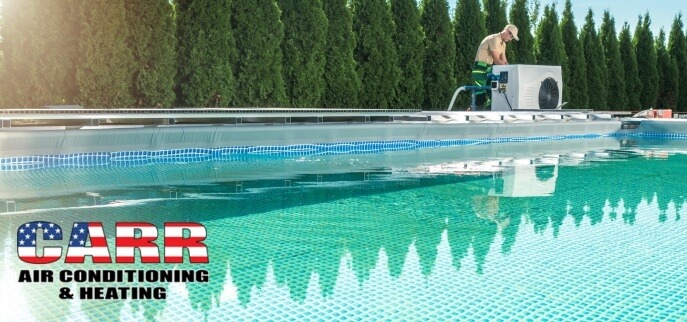
  • How Can a Pool Heat Pump Save Money?

    How Can a Pool Heat Pump Save Money?

    Can your swimming pool heat pump save money?

    Owning a pool is a luxury, but the costs associated with keeping the water at an ideal temperature can add up. Enter the pool heat pump, a smart and energy-efficient solution that not only ensures a comfortable swimming experience but also contributes to substantial savings in the long run. In this article, we explore how a pool heat pump can be a money-saving investment for pool owners.

    1. Energy Efficiency

    One of the primary ways a pool heat pump saves money is through its inherent energy efficiency. Unlike traditional heating methods that generate heat, pool heat pumps transfer heat from the surrounding air to the pool water. This process is significantly more energy-efficient, resulting in lower operational costs compared to gas heaters or electric resistance heaters.

    2. Lower Operational Costs

    The operating cost of a pool heat pump is notably lower than that of alternative heating methods. The energy consumption is minimal because the heat pump relies on ambient air to extract heat. This not only reduces the environmental impact but also leads to considerable savings on monthly energy bills.

    3. Utilizing Ambient Air

    Pool heat pumps operate by extracting heat from the surrounding air, even in cooler temperatures. This means they can efficiently generate warmth for your pool without the need for expensive external fuel sources. As long as the air temperature remains above a certain threshold, the pool heat pump can harness the available heat, making it a cost-effective solution for year-round pool enjoyment.

    4. Long-Term Investment

    While the initial cost of purchasing and installing a pool heat pump may seem higher than other heating options, it is essential to view it as a long-term investment. The energy efficiency and durability of heat pumps often result in a rapid return on investment as the savings on energy bills accumulate over time.

    5. Lower Maintenance Costs

    Pool heat pumps generally require less maintenance compared to traditional heating systems. With fewer mechanical components and simpler operation, the likelihood of breakdowns and the associated repair costs are reduced. Regular maintenance, such as cleaning the coils and checking the refrigerant levels, can help extend the lifespan of the heat pump, contributing to additional long-term savings.

    6. Programmable Settings

    Many modern pool heat pumps come equipped with programmable settings and timers. This feature allows pool owners to optimize the operation of the heat pump based on their specific usage patterns. By programming the heat pump to run during off-peak electricity hours or when the pool is most likely to be in use, owners can further enhance energy efficiency and reduce costs.

    7. Environmental Friendliness

    Beyond financial savings, pool heat pumps are environmentally friendly. Their reliance on ambient air and energy-efficient operation reduces the carbon footprint associated with pool heating. Pool owners can enjoy the comfort of a heated pool while contributing to sustainable and eco-conscious practices.

    8. Regional Incentives and Rebates

    In some regions, governments and utility companies offer incentives and rebates for installing energy-efficient pool heating systems, including pool heat pumps. Taking advantage of these programs can make up for the initial cost of purchasing and installing a pool heat pump, making it an even more cost-effective solution.

    Contact Carr AC for Swimming Pool Heat Pump Repair and Maintenance

    A pool heat pump is a savvy investment for pool owners seeking both comfort and financial savings. Its energy-efficient operation, utilization of ambient air, lower maintenance costs, and programmable settings make it a cost-effective and environmentally conscious choice.

    By harnessing the power of the surrounding air, a pool heat pump transforms your pool into a year-round oasis without breaking the bank. Dive into savings and enjoy the benefits of an efficient pool heating solution that pays off in both comfort and cost-effectiveness.

    Contact Carr AC for swimming pool heat pump repair and maintenance and get a free consultation.

  • How Often Should You Change an AC Filter During the Summer?

    How Often Should You Change an AC Filter During the Summer?

    Understanding how often to change ac filter is one of the easiest ways to keep your cooling system running efficiently during Florida’s hot summer months. Because your AC works harder this time of year, your filter collects dust, debris, and allergens much faster than usual.

    Replacing your AC filter regularly helps reduce strain on the system, lowers energy bills, and improves indoor air quality — especially if you have pets, allergies, or young children.

    Because Florida homes rely on air conditioning almost year‑round, knowing how often to change ac filter becomes even more important. A clean filter supports better airflow, stronger cooling performance, and improved indoor comfort.

    How Often to Change AC Filter in Summer

    Most homeowners should replace their AC filter every 30–45 days during the summer. While many filters are rated for 60–90 days, Florida’s humidity and heavy AC usage shorten that lifespan significantly.

    If you’re unsure how often to change ac filter in your home, the safest approach is to check it monthly. If it looks dirty, replace it immediately — even if it hasn’t reached the recommended timeframe.

    The Role of an AC Filter

    Your AC filter traps dust, pollen, pet hair, and other airborne particles before they circulate through your home. A clean filter improves indoor air quality and helps your AC operate efficiently.

    A clogged filter restricts airflow, forcing your system to work harder. This can lead to higher energy bills, reduced cooling performance, and even system breakdowns. According to the U.S. Department of Energy, replacing a dirty filter can reduce energy use by up to 15% (source).

    Why Regular Filter Replacement Matters

    Replacing your AC filter is one of the most cost‑effective ways to maintain your HVAC system. A dirty filter increases wear and tear, reduces efficiency, and can eventually lead to expensive repairs or premature system failure.

    Dirty filters also allow pollutants to bypass the filter and circulate through your home, which can worsen allergies and respiratory issues.

    Factors That Affect How Often to Change AC Filter

    1. Size of Your Home

    Larger homes circulate more air, which means filters collect debris faster and need more frequent replacement.

    2. Indoor Air Quality

    Homes near busy roads, construction, or dusty environments will clog filters faster.

    3. Pets

    Pet hair and dander are major contributors to clogged filters. Homes with pets should replace filters more often.

    4. Type of Filter

    Pleated filters last longer than fiberglass filters, but both should be checked monthly during summer.

    How Often to Change AC Filter: Quick Guide

    • Fiberglass filters: Replace every 30 days.
    • Pleated filters: Replace every 45–60 days.
    • Homes with pets: Replace every 30 days.
    • Allergy sufferers: Replace every 20–30 days.
    • Vacation homes: Replace every 60–90 days.

    Additional Tips for Summer AC Filter Maintenance

    Understanding how often to change ac filter is only part of proper AC care. Here are a few extra tips:

    • Set a monthly reminder to check your filter.
    • Keep return vents clear of furniture and clutter.
    • Use high‑quality filters if you have allergies or pets.
    • Schedule professional maintenance before summer begins.

    Don’t Forget About Professional AC Maintenance

    Changing your filter is essential, but it’s only one part of proper AC care. A professional technician can inspect your system, clean components, check refrigerant levels, and ensure your AC is ready for heavy summer use.

    For more seasonal tips, visit our Seasonal AC Maintenance Checklist.

    Need AC Maintenance Services? Call Carr Air Conditioning

    Carr Air Conditioning provides expert AC repair, AC installation, and AC maintenance throughout Clearwater, Dunedin, Palm Harbor, and surrounding areas.

    Call us at (727) 447‑7212 to schedule service or ask questions about your AC filter.

  • Summer AC Maintenance Checklist

    Summer AC Maintenance Checklist

    Our professionals will ensure these components of your AC are maintained for the summer.

    The temperature is steadily rising, and summer will be here before you know it. Staying proactive by following an AC maintenance checklist is important for keeping your cooling system working at an optimal level. You can do a few of these tasks yourself. However, it’s a better idea to reach out to a professional to handle all of these maintenance tasks for you.

    Scheduling preventative AC maintenance can also help you avoid expensive repairs and save you a lot of stress.

    Here is an AC maintenance checklist to explain how our technicians will inspect and maintain your AC unit:

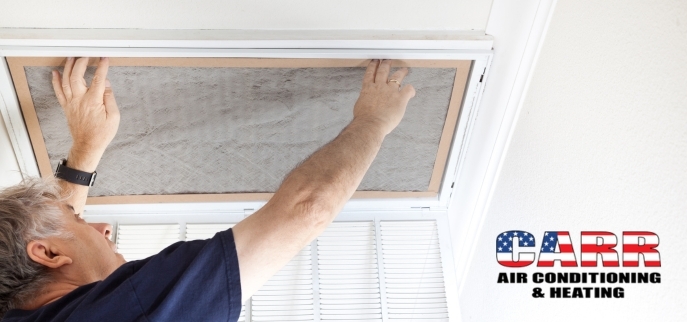
    Check and Replace the Air Filter

    One of the simplest yet most crucial steps in any AC maintenance checklist is to check the air filter. Dirty air filters can force your system to work harder, which can potentially damage your unit. Regularly cleaning or replacing filters improves efficiency and indoor air quality.

    Inspect the Outdoor Unit

    The outdoor unit, especially the condenser coils, needs to be free from any obstruction that might affect its performance. An HVAC professional will clean the outdoor condenser to ensure it’s working at an optimal level for the summer months.

    Check the Refrigerant Level

    The refrigerant in your AC unit is essential for cooling your home. Any changes in the level may mean a leak in the refrigerant system, which should be addressed immediately. A technician can easily check the refrigerant level and make any needed adjustments.

    Examine Electrical Components

    Loose or frayed wires can lead to significant safety issues. Electrical problems can even cause a fire. Our team will make sure the electrical components are in excellent condition before you begin using your air conditioner.

    Clean the Evaporator Coils

    Over time, evaporator coils collect dust and dirt, reducing your AC’s efficiency. It’s crucial to clean these coils to keep any issues to a minimum. An HVAC company can clean the evaporator coils as part of an AC maintenance checklist.

    Check the Drain Line

    The drain line can often become clogged with debris, potentially causing water damage or high humidity levels in your home. It’s recommended to clean the drain line regularly to ensure it’s not obstructed. Professionals can clean your drain line to help you avoid any major issues.

    Seal Air Leaks

    Leaks can eventually happen in your ductwork over time. These leaks can start small and become much bigger. Sealing air leaks in your ductwork allows air conditioning systems to work more efficiently and reduce energy costs.

    Inspect Your Insulation

    Your AC could be working double time if your home isn’t properly insulated. We will check your home’s insulation, especially in the attic and around windows and doors. Good insulation not only helps your AC perform better but also reduces energy consumption.

    Schedule a Professional Inspection

    Despite your best efforts, there might be other issues with your AC that only a professional can diagnose. Scheduling a professional inspection annually can save you money and headaches in the long run. Professionals will check the refrigerant level, test for leaks, measure airflow, inspect electric terminals, and check other moving parts.

    Let Carr AC Help You Complete an AC Maintenance Checklist

    Carr AC understands the importance of keeping your home cool during the summer. Our trained professionals are committed to ensuring your AC unit and HVAC system are running smoothly. We offer many different services, including AC repair, AC maintenance, and AC installations. You can trust that your air conditioning maintenance is in good hands.

    Reach out to Carr AC at 727-447-7212 for more information!

    We also serve:

    Dunedin

    Palm Harbor

    Oldsmar

  • AC Not Working after a Power Outage?

    AC Not Working after a Power Outage?

    Why is your AC not working after a power outage?

    A power outage isn’t only inconvenient, but it can also impact your air conditioning system. Your air conditioner may even struggle to come back on once power is restored to your home. Following a few troubleshooting tips can help you take care of this problem if your AC is not working after a power outage. Reaching out to an AC repair company is also recommended if you are still experiencing problems with your system.

    Here are some tips to remember if your AC isn’t working after a power outage:

    Turn Off Your Air Conditioner During a Power Outage

    The first step is to always turn off your air conditioner if you experience a power outage. Turning off your system will help protect your AC unit and the internal circuitry from potential power surges once the electricity is restored. Power surges can damage your air conditioning system and lead to costly repairs or replacements.

    Check the Circuit Breaker

    Once the power is back on, the first thing to check is the circuit breaker. Power outages and lightning strikes can cause the breaker to trip, which will prevent your AC from functioning. Locate the breaker panel and find the switch dedicated to your air conditioning system.

    If it has tripped, find the circuit and flip the switch off and then back on. If the breaker still continues to trip, it may indicate a bigger issue that requires professional attention.

    Give your AC Unit Some Time to Reset

    After restoring power to your air conditioner, you will need to give it about 30 minutes to reset itself. This extra time will allow the internal components to stabilize and ensure that the system is ready to function properly. If you are unable to turn on your air conditioner after a power outage after this time, there may be a more significant issue at hand.

    Turn the Thermostat Back On

    Once you’ve given your AC unit time to reset, turn the thermostat back on to its desired temperature. Double-check to see that the thermostat is set to “cool” and make sure the temperature is set lower than the current room temperature. If the AC still does not turn on, try replacing the batteries in the thermostat, as power outages can sometimes drain them.

    Inspect the Power Line and Outdoor Unit

    If your AC is still not working after a power outage, it’s important to inspect the power line and outdoor unit for any visible damage. High winds, falling branches, and lightning strikes can cause damage to your air conditioning system. If you notice any damage or disconnected power lines, do not attempt to fix the issue yourself. You should always contact a professional HVAC company to assess and repair the damage.

    Consider the Age and Condition of your AC System to Restart Your Air conditioner Unit

    Older units may be more susceptible to damage from power surges or outages. Sometimes it can be difficult for an old air conditioner to function normally after a power surge. If your AC system is more than 10–15 years old, you may want to consider investing in a replacement. A new air conditioner will also be much more energy efficient compared to older models.

    Seek Professional Assistance

    If you’ve tried all of the troubleshooting steps mentioned above and your AC is still not working after a power outage, it’s time to call a professional AC repair company. These professionals can diagnose the issue and recommend the best course of action, whether it’s a simple repair or replacement. Regular AC maintenance can also help prevent future issues and keep your air conditioner in optimal working condition.

    Ultimately, dealing with an AC not working after a power outage can be frustrating, but understanding the possible causes and solutions can help you address this issue. You can make sure that your home stays comfortable even in the most challenging circumstances by taking the time to troubleshoot and seeking professional assistance if necessary.

    AC Not Working After a Power Outage? Give Carr AC a Call Today!

    Carr Air Conditioner offers installation and air conditioner repair services for customers in Pinellas County. Our team also specializes in vent and air duct cleaning, pool heat pump repair, dryer vent cleaning, ice machine maintenance, and other services. Delivering the best services to meet the needs of each customer is always a priority.

    Feel free to contact Carr AC to learn more about using our services!

    We also serve:

    Dunedin

    Palm Harbor

    Oldsmar

  • Is My AC Raising My Energy Bill?

    Is My AC Raising My Energy Bill?

    Is your AC causing your energy bill to increase?

    Turning on your air conditioning system during the spring and summer is a great way to stay cool and comfortable. Of course, “does your AC make your electric bill high?” is a common concern for many homeowners. Fortunately, you can follow a few tips to help you lower the costs of running your air conditioner. Reaching out to an HVAC professional to perform routine maintenance on your AC system is also a great choice that can boost the efficiency of your air conditioner.

    Here is an overview of how an AC can make your energy bill high.

    An Older Unit

    An older air conditioner will begin to operate less efficiently over time. You can expect most air conditioning units to last anywhere between 15 and 20 years before you need to consider getting a replacement. A new air conditioner can help you avoid a high electricity bill, and you are less likely to deal with any repairs in the near future.

    Lack of Maintenance

    Many homeowners fail to keep their air conditioners well-maintained, which causes the system to work harder in providing cool air for your house. For example, a dirty air filter can restrict airflow and put additional strain on your system. Replacing your air filter and scheduling a professional inspection are essential to saving energy and reducing utility costs.

    Duct Leaks

    The ductwork in your home plays a vital role in distributing cool air throughout your house. However, even a small duct leak can reduce the efficiency of your air conditioner and cause a higher electric bill. Hiring an HVAC professional to inspect your ductwork and make any needed repairs is key to taking care of this problem.

    Low Refrigerant Level

    Air conditioners use refrigerant to keep your house cool. However, you may have a refrigerant leak if your air conditioner is having difficulty cooling your home. A refrigerant leak doesn’t only cause high electric bills; it’s also a significant environmental hazard. An HVAC technician will need to check the refrigerant level in your system and make repairs.

    Faulty Thermostat

    A thermostat can begin to malfunction and make it difficult to keep your home comfortable. Replacing your older thermostat with a programmable thermostat can save you money and be much more convenient. You can easily set the temperature using your smartphone and even create a daily schedule. The thermostat will automatically adjust to follow these settings to help you avoid paying a high energy bill.

    Wrong Size

    An air conditioner needs to be the right size, or it can result in a lot of problems. For example, an undersized unit will struggle to keep your home cool, and it will run nearly all of the time. On the other hand, a unit that’s too big for your home uses too much energy to keep your house comfortable. Getting a professional to inspect your system before making a replacement is key to maintaining energy efficiency by choosing the right size unit.

    Does your AC make your electric bill high? Here is how homeowners can reduce the chance of an AC raising their energy bill.

    Stay Proactive With AC Maintenance

    Keeping your air conditioner well-maintained can help you lower your utility bill. Scheduling ongoing maintenance services is a great way to optimize your air conditioner and limit the chance of dealing with repairs. An HVAC technician will inspect your air conditioning unit and make any needed adjustments to keep it blowing cold air and working efficiently.

    Schedule AC Repair Services

    Problems with your AC unit can eventually happen, especially as it gets older. If you notice any issues, it’s a good idea to contact an HVAC company as soon as possible. These professionals can check out your system and make any repairs. On the other hand, waiting too late to schedule repairs can often result in more expensive problems, and your air conditioner may struggle to cool your home.

    Does AC Make Your Electric Bill High? Give Carr AC a Call Today!

    Carr Air Conditioner offers AC repair, AC maintenance, and AC installation services for homes and businesses. We also provide pool heat pump repair, dryer vent cleaning, ice machine maintenance, and other services. Our experienced team can also optimize the AC system in your home to help lower energy usage. We are also happy to provide tips and discuss how your AC can make your electric bill higher each month.

    Ready to Get Started? Call Carr AC at 727-447-7212 for a No-Cost Consultation!

    We also serve:

    Dunedin

    Palm Harbor

    Oldsmar

  • Recommended Summer Air Conditioner Servicing

    Recommended Summer Air Conditioner Servicing

    Air conditioner servicing our professionals recommend during the summer.

    Keeping your home cool during the hot summer months is no easy feat, and that’s why air conditioner servicing is such an essential part of home ownership. Unfortunately, most people only do something about it once they notice symptoms of a malfunctioning unit, which can be quite costly. That’s where we come in. Our recommended air conditioner servicing tips will help you avoid expensive repairs and keep your AC unit running smoothly all summer.

    1. Change Your AC Filter

    The first thing you have to do when you are servicing your air conditioner is change the filter. This is extremely important for you to do about once a month. Essentially, when your air conditioner does its job of cooling off the air you’re breathing in, it has a lot of dust and impurities.

    Filters will eliminate some of that, but it is better to change them regularly. Note that air conditioner servicing also includes maintenance and filter changes.

    2. Inspect Air Ducts For Leaks

    Another thing you should do is inspect your air ducts for leaks. This will ensure that your cooling power isn’t wasted by leaking ducts. These leaks can be simple to fix, but they might be too much of an annoyance and expense to bother with until the summer, when you need the air conditioner more than ever.

    We recommend you have your ducts sealed right after Thanksgiving, when the temperature is cold enough that you do not need it on at all times. There are many reasons why air ducts can leak. They can corrode, have faulty installation, have a manufacturer flaw, or be infested with pests.

    3. Schedule Your Annual Tune-Up in the Spring

    This service will ensure that your air conditioner will operate at its peak efficiency and won’t have problems during the summer. The tune-up can be as simple as changing the filter and checking for any leaks, or it can be a more involved process that involves replacing parts or adding new ones to make your air conditioner run better. Most HVAC companies offer a tune-up every spring to test your air conditioner, change your filter, and ensure it works better than ever before.

    4. Clean the Air Conditioner’s Condenser Coils

    Don’t forget to clean the air conditioner’s condenser coils at least once a year. If you keep your condenser covered during winter, remove the cover and let it air out so it’ll dry before you clean off the dirt that accumulated on the coils while they were hibernating.

    If you do not keep it covered, get it out of storage and clean the coils immediately. The best way to do this is with a garden hose and a pressure washer. Please don’t use chemical cleaners because they can damage air conditioner parts and cause electrical problems.

    5. Get a Programmable Thermostat

    If you’re like most people, you don’t use your air conditioner all day long. But it does turn on every morning, starting around seven or eight in the summer. Some of that energy is just going to waste, especially if you’re at work or school when it turns on, and when you get home, you don’t need to cool down right away because the sun is shining.

    A programmable thermostat is going to allow you to do this. It will automatically turn your air conditioner on and off at specific times of the day, allowing you to cool off when needed. If you set up your thermostat for a more optimal energy usage period, you can save at least 10% on your energy bill!

    6. Arrange A Professional AC Service

    Air conditioner servicing is a job that should be left in the hands of a professional. Carr AC, an HVAC specialist in Florida who repairs, maintains, and installs AC units, is where you should call if you want a job done right.

    We have been in air conditioner servicing for years and can even help you troubleshoot problems and repair your unit. We even offer maintenance packages that include tune-up services, air duct cleaning, and air handling units. Their technicians arrive with all the necessary tools and parts, so you don’t have to look for an air filter, duct sealant, or a wrench.

    Air conditioners require routine maintenance to ensure they work at their maximum level and do not waste energy. Regular servicing is also important because if you don’t change your filter regularly, you could breathe in dust and other pollutants that are detrimental to your health.

    Air conditioner servicing is necessary to keep your air conditioner operating properly and ensure efficiency. With these tips, you can ensure your AC is ready for summer. If you have any questions or concerns, please contact us for HVAC services today.

    We also serve:

    Dunedin

    Palm Harbor

    Oldsmar

  • Start the Year Off with an HVAC Inspection and Maintenance

    Start the Year Off with an HVAC Inspection and Maintenance

    Has your HVAC system been inspected recently? Here’s why you should start the year off with an HVAC inspection.

    As the new year gets closer, many homeowners seek ways to save money and get their homes in order. One easy way to do both is to schedule HVAC inspections and maintenance. Rather than trying to do it yourself, hiring a professional will ensure the job is done correctly and that any potential problems are identified and fixed.

    Why You Should Schedule An Appointment With A Qualified HVAC Technician

    By scheduling a maintenance appointment with an HVAC technician at the beginning of the year, you’ll take a proactive approach to home comfort and energy efficiency. Regular maintenance is essential for any cooling system or heat pump, as it can help identify potential issues before they become serious problems that require costly repairs.

    In addition to helping diagnose potential issues, regular maintenance helps keep wear and tear in check, contributing to your HVAC unit running more efficiently throughout the year. This can help reduce your monthly energy bills and extend the life of your HVAC unit.

    Figuring Out If Your HVAC System Needs an Inspection and Maintenance

    If you aren’t sure if your HVAC system needs inspection and maintenance, there are some telltale signs to look out for. If your system is producing strange noises, if the airflow isn’t up to par, or if you need to constantly adjust the thermostat to keep a comfortable temperature in the home, it might be time to call an expert.

    How to Find the Right Maintenance Plan for You

    Whether you have an AC or heat pump, finding the proper maintenance plan is key. Before hiring a professional, do some research to learn more about your HVAC unit and determine what type of maintenance plan is best for it. Your technician should also be able to guide you toward the best maintenance plan for your specific needs.

    How to Schedule an Appointment

    Once you have identified the right maintenance plan for your HVAC system, it’s time to schedule an appointment. Ensure that you hire a qualified technician who is experienced and knowledgeable about your type of HVAC unit. Also, ensure the technician has all the necessary tools and supplies before beginning any work.

    How Should You Prepare for HVAC Inspections and Maintenance?

    Before the technician arrives, ensure that the space around your HVAC unit is cleared of any objects and debris. This will give them better access to inspect and service your system. Also, be prepared to answer questions about how often you use your HVAC unit and when it was last serviced.

    HVAC Inspections and Maintenance Checklist

    Here is a quick checklist of what you should look for when it comes time to inspect and maintain your HVAC system:

    • Have the technician check for any visible signs of damage or wear.
    • Have the technician ensure the air filter is clean and functioning properly.
    • Have the technician check all components for debris buildup or other blockages.
    • Have the technician test the thermostat settings and adjust them if necessary.
    • Have the technician inspect all wiring and connections, fan blades, blower motors, and other mechanical parts.
    • Ask questions if any issues need to be addressed.

    How Much Will It Cost You?

    The cost of an HVAC inspection and maintenance can vary depending on the size, type, and age of your HVAC system. However, in most cases, it will be far more cost-effective to have a technician inspect and maintain your system than to attempt haphazard repairs yourself. The savings you’ll get from energy efficiency alone make it worthwhile!

    What Comes Next After HVAC Inspections and Maintenance?

    It would be best if you had a better idea of the condition of your HVAC system. Make sure to follow any recommended maintenance plan in the future and perform periodic inspections yourself. This will help extend your HVAC unit’s life and keep it running efficiently throughout the year.

    Scheduling HVAC inspections and maintenance is essential to ensure your system runs efficiently throughout the year. Taking a proactive approach to home comfort and energy efficiency will save you money in the long run.

    Make sure to find the right maintenance plan for your specific needs, hire a qualified technician, prepare the space around your HVAC unit, and be prepared to answer questions about when it was last serviced. Doing so will help ensure your HVAC system runs smoothly throughout the year.

    Contact Carr AC for HVAC Inspections and Maintenance Year-Round!

    If you’re ready to schedule HVAC inspections, maintenance, and repairs, contact the team at Carr AC today. Our team has years of hands-on experience and the equipment necessary to inspect, maintain, and repair any damage that may be affecting your HVAC unit. We will also help with HVAC unit installation services.

    Contact us today for a fast and free consultation.

    We also serve:

    Dunedin

    Palm Harbor

    Oldsmar

  • How Often Should Air Ducts Be Cleaned?

    How Often Should Air Ducts Be Cleaned?

    How often should you schedule air duct cleaning?

    The HVAC system in your home needs to be cleaned regularly. Dirt, allergens, and pollutants will accumulate in the ductwork over time, and if they are not routinely removed, they can cause serious health issues. Cleaning the ducts also improves the efficiency of your heating and cooling system. Heat exchangers work more efficiently when the air in the ducts is clean.

    How often should air ducts be cleaned?

    The answer depends on the air quality inside your home. Dirty air ducts can:

    • Increase health problems.
    • Cause discomfort in sensitive individuals.
    • Contribute to the growth of mold, bacteria, and other pollutants within the ductwork.
    • Reduce the efficiency of your HVAC system by forcing it to work harder than it should, thereby burdening the fan motor.

    Air ducts need to be cleaned because of the following reasons:

    • Health problems.
    • Visible mold growth.
    • An excessive amount of dust and debris.

    It is essential to note that air duct cleaning can be performed on days when these issues are not present. The higher the level of mold and bacteria, the longer it takes to clean out the ducts.

    Benefits of Clean Air Ducts

    Finding out how often air ducts should be cleaned is essential to enjoying the following benefits:

    • Increased energy efficiency: Any reduction in ductwork efficiency means you are paying more for your utility expenses.
    • Improved indoor air quality: If you are sensitive to specific allergens, your home’s indoor air quality can significantly impact your energy and vitality.
    • Reduced mold and mildew growth: If you have moisture issues in your ductwork, you can help prevent mold and mildew from growing in the ducts by having them cleaned regularly.
    • Increased comfort: Clean air ducts mean more comfort for you.
    • Improved airflow: You can help improve airflow in your home by ensuring that the air distributed there is fresh.
    • Keeping your air ducts clean is an essential home maintenance task that should be done annually. Contact duct cleaning companies today to schedule your yearly duct cleaning.

    DIY vs. Professional Air Duct Cleaning.

    There are some things that you should always leave to the professionals. Instead of doing it yourself, here are some reasons you should always hire a professional for air duct cleaning.

    • Accessibility: You could probably do a DIY job if you had the proper equipment and expertise. However, chances are you don’t. Therefore, you must hire a professional team to clean your air ducts.
    • Respiratory health: Your home has many toxins (like mold and bacteria). These materials can harm your well-being if you have brittle bones or poor lung function. The Environmental Protection Agency is keen on reducing toxins due to respiratory health issues in America.
    • Fire hazard: The chemicals involved in a DIY air duct cleaning can lead to a fire.
    • Experience: No one wants to hire an inexperienced crew. Professional cleaners have the necessary expertise to handle any job.
    • Healthy air ducts are critical to the health and well-being of everyone in your home. By knowing how often air ducts should be cleaned, you can always maintain good air quality and air conditioning in your house.

    What to Expect From an Air Duct Cleaning Service Provider.

    Most companies will indicate to you how often air ducts should be cleaned, and their services include:

    Contact Carr AC for Air Duct Cleaning Today

    In conclusion, the question of how often air ducts should be cleaned should be answered by you. The answer will vary if you have family members with respiratory issues or own an old home that has not been renovated in many years.

    Carr AC is here to clean your air ducts and assist with any other HVAC issues or maintenance you may have. Contact us today for a free consultation and let us clean your air ducts to improve your home’s air quality.

    We also serve:

    Dunedin

    Palm Harbor

    Oldsmar


  • How to Prepare Your HVAC System for Winter

    How to Prepare Your HVAC System for Winter

    A few tips to prepare your HVAC system for winter.

    Everyone knows Florida is one of the warmest states in the country, but that doesn’t mean cold weather doesn’t exist here. Since winter is right around the corner and the weather is already starting to drop, it’s time for homeowners to focus on their heating systems.

    To help you get started, we’re going to show you how to prepare your HVAC for winter with some of our favorite tips.

    Test It Out Before Winter Arrives

    The truth is, many of us forget about our heating system because we haven’t used it in so long. It’s very common for someone to switch on the heat at the first sign of cold weather only to discover that the system isn’t running properly. As it stands right now, it’s probably been cold enough by the time you read this that you’ve already tried out the system. But, for future reference, make sure you test out the HVAC system at least a month before the season starts.

    Clean or Replace the Air Filter

    Just like an air conditioning unit, your furnace or heat pump has an air filter that captures contaminants, pollutants, dust, debris, etc. A dirty filter will cause your indoor air quality to drop, and your heating unit won’t work as efficiently. As a general rule, air filters should be changed every 30 to 90 days to optimize the performance of both the filter and your heating equipment. This keeps your air clean and prevents your system from running for too long.

    Schedule a cleaning or checkup.

    Heating systems are very durable and will last for many years, but they need to be properly maintained. Professional maintenance by a certified HVAC technician will help your equipment run smoothly, keep it energy-efficient, and prolong its operational lifespan. As a general rule, you should have a checkup and cleaning done once per year to make sure the system is okay.

    Reprogram the Thermostat

    If you’re like most homeowners, then you probably have a programmable thermostat. These thermostats allow you to select a specific temperature for certain days and times, which can ensure all-day comfort and help you maintain energy efficiency. As soon as the cold weather hits, you should reprogram it right away so you don’t wake up one morning to find yourself freezing in bed.

    Switch to a Smart Thermostat

    If your home uses a manual thermostat or an outdated programmable model, you should consider upgrading to a smart thermostat. Not only do smart units allow you to program the temperature, but they also come with a variety of advanced features. Depending on the exact type you choose, this may include remote wi-fi access, energy usage reports, zoning system controls, compatibility with HVAC accessories, etc.

    Clean Up the Outdoor Unit

    If an outdoor unit is part of your HVAC system, you need to make sure that it’s clear of debris that might have piled up during the fall. These units are exposed to the elements, so it’s common for branches, dirt, bugs, and even birds’ nests to clog up the system. This will be checked and cleaned by an HVAC technician during your annual checkup, but it’s a good idea to keep an eye out for any debris between visits.

    Upgrade an Aging System

    Furnaces and other types of heating equipment are very resilient and will last a long time with proper upkeep. In fact, the average furnace lifespan is between 15 and 20 years, assuming that you’ve had it routinely checked and repaired as needed. But, like all types of equipment, it will eventually break down. The good news is that newer units are much more energy-efficient, so you’ll save some money in the long run despite the high cost of a new system.

    Contact Carr AC to Learn How to Prepare Your HVAC for Winter

    Carr Air Conditioning & Heating will assist you with dryer vent cleaning in Palm Harbor and the surrounding areas, in addition to any other HVAC installation, maintenance, and repair needs. If you have any questions on how to prepare your HVAC for winter or would like to schedule a free consultation, give us a call at (727) 447-7212 today.

    We also serve:

    Dunedin

    Palm Harbor

    Oldsmar