Repair Archives - Carr Air Conditioning Repair Archives - Carr Air Conditioning

Category: Repair

  • 7 Clear Signs You Need a New AC System in Florida

    Knowing the signs you need a new AC system can save you from unexpected breakdowns, high energy bills, and uncomfortable Florida summers. While many AC issues can be repaired, there comes a point when replacement is the smarter, more cost‑effective choice. This hybrid guide combines expert insight with a simple checklist to help you determine whether it’s time to upgrade your cooling system.

    Florida’s heat and humidity put extra strain on HVAC systems, meaning AC units here often wear out faster than in other parts of the country. If you’ve noticed performance issues, rising utility bills, or frequent repairs, your system may be nearing the end of its lifespan.

    1. Your AC System Is More Than 10–12 Years Old

    Most AC systems last around 10–12 years in Florida due to heavy usage. If your unit is approaching or past this age, it’s one of the strongest signs you need a new AC system. Older units lose efficiency, require more repairs, and struggle to keep up with summer temperatures.

    2. Frequent and Costly Repairs

    If you’re calling for AC repair multiple times a year, replacement may be more cost‑effective. A good rule of thumb: if a repair costs more than 30% of the price of a new system, replacement is the smarter investment.

    Learn more about repair options here: AC Repair Services.

    3. Rising Energy Bills

    A sudden increase in your electric bill often means your AC is losing efficiency. Older systems must work harder to cool your home, especially during Florida’s peak summer months. According to the U.S. Department of Energy, upgrading to a high‑efficiency system can significantly reduce cooling costs (source).

    4. Weak Airflow or Hot Spots in Your Home

    If certain rooms never seem to cool properly, or if airflow feels weak even after filter changes, your AC may be failing. This can indicate compressor issues, duct problems, or declining system performance — all common signs you need a new AC system.

    5. Strange Noises or Odors

    Grinding, rattling, buzzing, or burning smells are red flags. While some issues can be repaired, persistent noises or odors often signal failing components. If your system sounds or smells unusual, it may be nearing the end of its lifespan.

    6. Excessive Humidity Indoors

    Your AC should remove moisture from the air. If your home feels sticky, muggy, or damp, your system may be struggling to dehumidify properly. This is especially common in older units and is one of the most overlooked signs you need a new AC system.

    7. Your Home Never Reaches the Set Temperature

    If your AC runs constantly but still can’t cool your home, the system may be undersized, failing, or losing efficiency. Florida’s extreme heat exposes weak systems quickly — and if your AC can’t keep up, replacement is often the only solution.

    When Repairs Aren’t Enough

    While repairs can extend the life of your AC, they’re not always the best long‑term solution. If you’re experiencing multiple signs from this list, replacing your system can provide:

    • Lower monthly energy bills
    • Better indoor comfort
    • Improved humidity control
    • Quieter operation
    • Stronger airflow
    • Better indoor air quality
    • Higher home value

    Newer systems also use modern refrigerants, advanced compressors, and smart thermostat compatibility — all of which improve performance and efficiency.

    Benefits of Replacing Your AC System in Florida

    Florida homeowners benefit more from AC replacement than almost anywhere else in the country. A new system can reduce cooling costs, improve comfort, and handle the extreme humidity that older units struggle with.

    For more information on installation options, visit our AC Installation & Replacement page.

    Schedule Your AC Replacement Consultation with Carr Air Conditioning

    If you’re noticing several of these signs you need a new AC system, it may be time to explore replacement options. Carr Air Conditioning provides expert AC installation, repair, and maintenance throughout Clearwater, Dunedin, Palm Harbor, and surrounding areas.

    Call us today at (727) 447‑7212 to schedule your free AC replacement consultation.
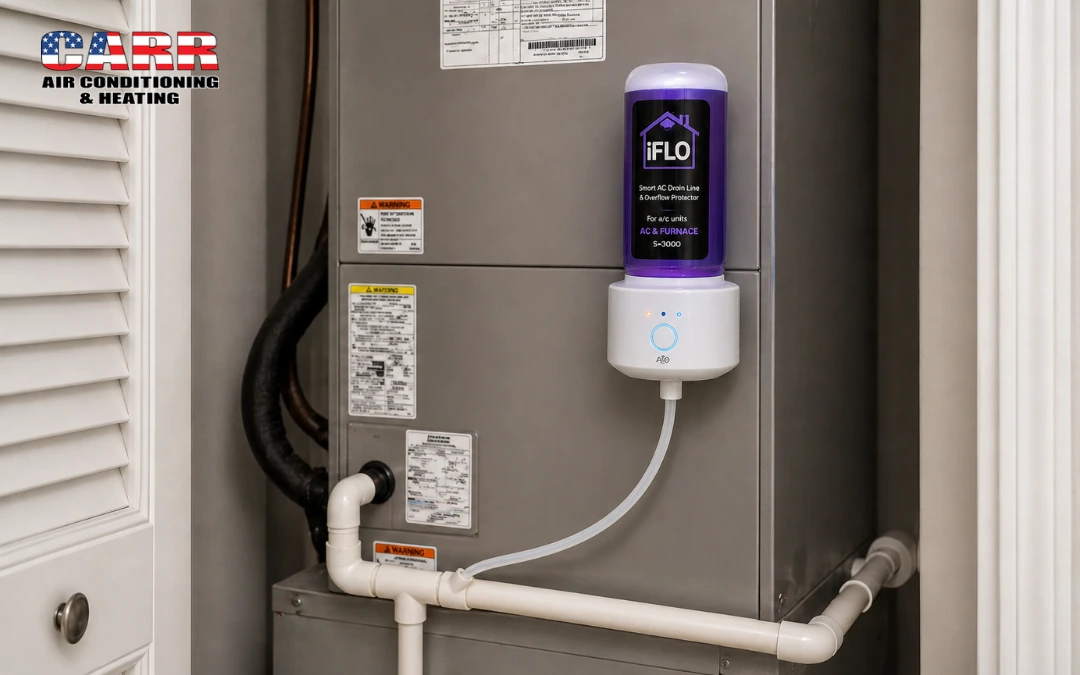
  • What Is the iFlo AC Drain Line System (and Is It Worth It for Florida Homes?)

    What Is the iFlo AC Drain Line System (and Is It Worth It for Florida Homes?)

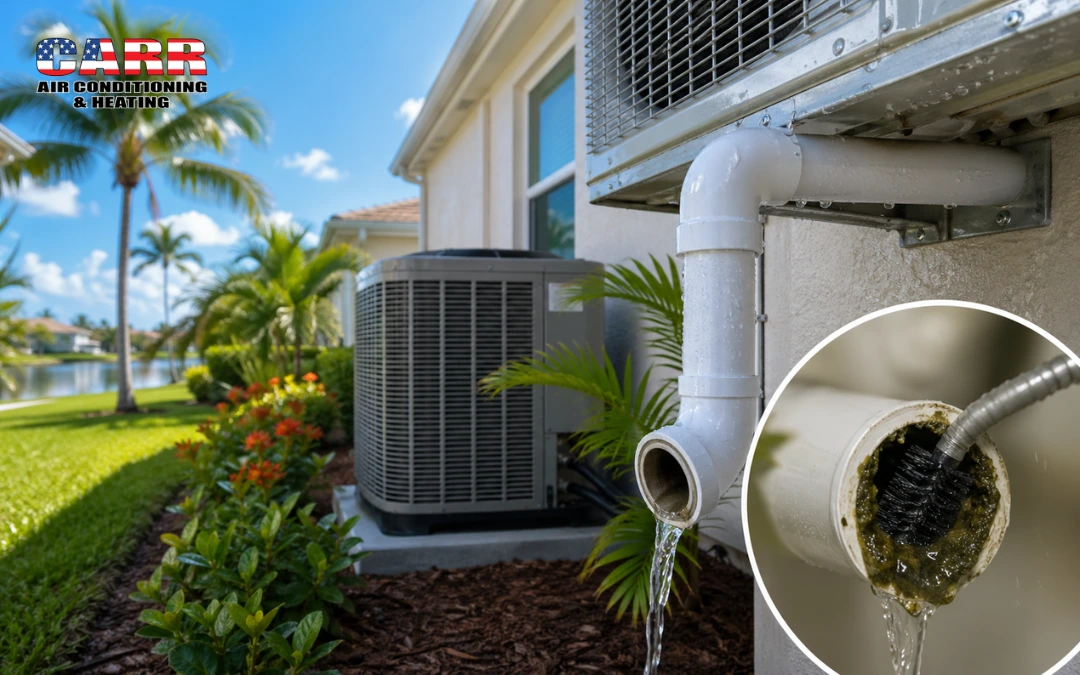
    If you own a home in Clearwater, Dunedin, or anywhere in Pinellas County, there’s a good chance you’ve either dealt with an AC drain line clog — or will at some point.

    It’s one of the most common HVAC issues in Florida. The system shuts off unexpectedly, water backs up, or you notice something just isn’t working right. In most cases, it traces back to one thing: a clogged condensate drain line.

    That’s where preventative solutions like the iFlo AC drain line system come into the conversation.

    But what exactly is it, and does it actually make a difference?

    Why Drain Line Problems Are So Common in Florida

    Before talking about iFlo specifically, it helps to understand why this issue shows up so often.

    Your air conditioning system doesn’t just cool your home — it also removes moisture from the air. In Florida’s humid climate, that means your system is constantly producing condensation.

    That moisture flows through the drain line every time the AC runs. Over time, the inside of that line becomes a damp environment where buildup can form. Once enough material collects, it can slow or block the flow completely.

    This is why homeowners in Pinellas County often deal with repeat clogs, especially as the weather warms up.

    What the iFlo System Is Designed to Do

    The iFlo system is designed to help prevent that buildup from forming in the first place.

    Instead of waiting for a clog to develop and then clearing it out, iFlo works as a preventative solution. It’s installed directly into your HVAC system and helps keep the drain line cleaner over time.

    The goal isn’t just to fix a problem — it’s to reduce the likelihood of that problem happening again.

    How It Fits Into Your HVAC System

    The system integrates into your existing setup and works alongside normal system operation. As your AC runs and removes moisture, the iFlo system helps maintain cleaner conditions inside the drain line.

    This makes it easier for water to flow through the line without restriction, which is key to preventing the kinds of blockages that lead to shutdowns or overflow issues.

    For homeowners, it’s something that works in the background without requiring constant attention. Preventative solutions like this are often recommended by trusted HVAC professionals at Carr Air Conditioning.

    Why Homeowners Consider Preventative Solutions

    Most homeowners only start thinking about solutions like iFlo after dealing with a clog more than once.

    The frustration usually isn’t just the clog itself — it’s the disruption that comes with it. Losing cooling during a warm day, dealing with water buildup, or having to schedule repeat service calls adds up quickly.

    Preventative systems are designed for homeowners who want to avoid that cycle altogether.

    Is It Worth It for Florida Homes?

    In climates like Clearwater and Dunedin, where humidity is high and AC systems run frequently, preventative solutions tend to make more sense than in drier parts of the country.

    Because your system is constantly producing moisture, the conditions that cause buildup are always present. That’s why drain line issues tend to repeat if nothing changes.

    For many homeowners, the value comes from:

    • Fewer unexpected system shutdowns
    • Reduced risk of water-related issues
    • More consistent system performance
    • Less need for reactive service calls

    It’s less about solving a one-time problem and more about maintaining reliability over time.

    How It Works Alongside Regular Maintenance

    It’s important to understand that systems like iFlo don’t replace routine HVAC maintenance — they complement it.

    Regular service is still important for checking overall system performance, airflow, and components. Preventative drain line solutions simply add another layer of protection in an area that commonly causes problems.

    Together, they create a more complete approach to system care.

    When It Makes the Most Sense to Consider

    Not every homeowner needs a preventative system right away. However, there are certain situations where it makes more sense.

    If you’ve experienced repeated drain line clogs, system shutdowns due to drainage issues, or water buildup near your unit, it may be worth considering a more proactive solution.

    Homes in Pinellas County that run their AC frequently or have higher humidity levels tend to benefit the most.

    A More Reliable Way to Protect Your System

    At the end of the day, drain line clogs are one of those issues that are easy to overlook until they become a problem.

    Taking a preventative approach helps remove that uncertainty. Instead of wondering when the next clog might happen, you’re putting something in place to reduce the chances of it happening at all.

    For many homeowners, that peace of mind is the biggest benefit.

    FAQs

    Q1: What is the iFlo AC drain line system?
    Ans: It’s a preventative solution installed in your HVAC system that helps reduce buildup inside the drain line and lower the risk of clogs over time.

    Q2: Does the iFlo AC drain line system stop clogs completely?
    Ans: No system can guarantee complete prevention, but the iFlo AC drain line system significantly reduces the chances of clogs when used alongside regular maintenance.

    Q3: Is the iFlo AC drain line system worth it for Florida homes?
    Ans: In humid climates like Florida, where AC systems run frequently, it can help improve reliability and reduce recurring drain line issues.

    Q4: Do I still need HVAC maintenance with the iFlo system?
    Ans: Yes, regular maintenance is still essential. The iFlo system works as an added layer of protection, not a replacement for routine service.

    The Bottom Line

    The iFlo AC drain line system is designed to address one of the most common HVAC issues homeowners face — not by reacting to it, but by helping prevent it.

    In a climate where moisture is constant and systems run frequently, that kind of preventative approach can make a noticeable difference in how reliably your HVAC system performs.

    If you’ve dealt with drain line issues before or want to stay ahead of them, taking a proactive approach can make all the difference. You can contact our team to explore the best solution for your system and avoid unexpected problems in the future.

  • How to Prevent AC Drain Line Clogs in Florida Homes

    How to Prevent AC Drain Line Clogs in Florida Homes

    For homeowners in Clearwater, Dunedin, and throughout Pinellas County, AC drain line clogs are one of the most common — and frustrating — HVAC issues that show up once the weather starts warming up.

    What makes this issue even more frustrating is that it often appears without warning — right when you need your AC the most. Most people don’t think about their drain line until something goes wrong. By the time water backs up, the system shuts off, or a musty smell appears, the clog has already formed.

    Drain line clogs don’t happen randomly. They build up over time, and in Florida’s climate, they’re almost guaranteed without some level of prevention. That’s why learning how to prevent AC drain line clogs is essential to keeping your system running smoothly.

    Why AC Drain Line Clogs Keep Coming Back

    One of the biggest frustrations homeowners face is dealing with the same issue more than once. The drain line gets cleared, everything seems fine, and then a few months later the problem returns.

    That happens because the conditions inside the drain line never really change. Your AC system constantly pulls moisture out of the air — especially in humid areas like Pinellas County. That moisture creates a damp environment inside the line, which naturally allows buildup to form again.

    Even after a clog is removed, the same process starts all over unless something is done to prevent it.

    What’s Actually Building Up Inside the Line

    Drain lines don’t clog overnight. The buildup happens gradually as your system runs day after day.

    As air moves through your system, small particles like dust and debris come with it. When that mixes with moisture, it creates residue that sticks to the inside of the line. Over time, that buildup thickens and begins to restrict water flow.

    In many cases, this buildup eventually leads to a full AC drain line clog, especially in systems that run frequently in Florida’s climate.

    Why Spring Is When Problems Start Showing Up

    Many homeowners first notice drain line issues in spring — and there’s a reason for that.

    As temperatures rise, your AC begins running more consistently. That means it’s pulling more humidity out of the air, increasing the amount of water moving through the drain line. If there’s already buildup inside, that extra moisture can push it to the point of blockage.

    This is why systems that seemed fine during winter suddenly develop issues as cooling season begins.

    Why Prevention Matters More Than Fixing the Problem

    Once a drain line clogs, it usually leads to disruption. In many cases, the system shuts down to prevent water damage — leaving you without cooling when you need it most.

    Fixing the clog solves the immediate problem, but it doesn’t stop it from happening again. Prevention is what keeps the system running consistently, especially during the months when you rely on it the most.

    What Homeowners Can Do to Reduce the Risk

    There are a few simple things homeowners can do to lower the chances of AC drain line clogs forming.

    1. Keep your air filter clean. Dirty filters allow more debris into the system, which contributes to buildup inside the drain line.

    2. Make sure vents aren’t blocked. Proper airflow reduces strain on the system and helps moisture drain correctly.

    3. Watch for early warning signs. Musty smells, water near the air handler, or increased humidity can indicate early blockage.

    Even well-maintained systems in Florida can still develop drain line issues over time. The environment alone makes it difficult to avoid completely without a more consistent preventative approach.

    Why Professional Maintenance Makes a Difference

    Routine HVAC maintenance is one of the most reliable ways to stay ahead of AC drain line clogs and prevent buildup before it leads to system issues.

    During a service visit, a technician can inspect the line, clear early buildup, and ensure water is draining properly. Catching these issues early is much easier than dealing with a full blockage later.

    For homeowners in Clearwater and Dunedin, this is especially important because of how often systems run throughout the year.

    Taking a Long-Term Approach to Prevention

    Because drain line clogs are tied to moisture and usage, preventing them long-term requires consistency.

    Instead of waiting for problems to show up, many homeowners benefit from solutions that help keep the line clear over time while working alongside regular maintenance. This reduces the chance of repeat issues and helps the system operate more reliably.

    Why This Matters for Your HVAC System

    A clogged drain line might seem like a small issue, but it can have a bigger impact than most people realize.

    When drainage is restricted, your system can’t remove moisture properly. That affects comfort, performance, and can trigger safety switches that shut the system down.

    Keeping the drain line clear helps your entire HVAC system work the way it’s supposed to.

    FAQs

    Q1: What causes AC drain line clogs in Florida homes?
    Ans: Florida’s humidity creates the perfect environment for algae, mold, dust, and debris to build up inside the drain line.

    Q2: How can I prevent AC drain line clogs?
    Ans: Regular HVAC maintenance, clean filters, and early detection help prevent buildup and keep the line clear.

    Q3: What are the signs of a clogged AC drain line?
    Ans: Water near the unit, musty odors, increased humidity, and unexpected system shutdowns.

    Q4: How often should AC drain lines be cleaned?
    Ans: At least once a year — ideally before spring cooling season.

    The Bottom Line

    In Florida homes, AC drain line clogs are extremely common — but they’re also highly preventable.

    The key is understanding that buildup happens over time and taking steps early to reduce the chances of it becoming a problem. Waiting until the system shuts down often means dealing with an issue that could have been avoided.

    For homeowners in Clearwater, Dunedin, and across Pinellas County, staying ahead of drain line issues is one of the simplest ways to keep your HVAC system running smoothly through the hottest months of the year.

    If you want to prevent recurring drain line issues and avoid unexpected shutdowns, the team at Carr Air Conditioning can help you maintain your system and prevent costly HVAC problems before they start.

    For additional information on moisture and HVAC performance, visit the U.S. Environmental Protection Agency: https://www.epa.gov/mold

  • Why HVAC Drain Lines Clog in Florida (and How to Prevent It)

    Why HVAC Drain Lines Clog in Florida (and How to Prevent It)

    As temperatures and humidity start rising across Clearwater, Dunedin, and throughout Pinellas County, your air conditioning system begins working harder to keep your home cool and comfortable. During this time, problems like an HVAC drain lines clog in Florida can begin forming due to constant moisture buildup inside the system.

    What many homeowners don’t realize is that along with cooling the air, your HVAC system is also removing large amounts of moisture from it. That moisture has to go somewhere — and it exits your system through the condensate drain line.

    When that drain line becomes clogged, it can quickly turn into one of the most common and frustrating HVAC issues Florida homeowners face.

    What an HVAC Drain Line Actually Does

    Every time your AC runs, it pulls humidity out of the air. That moisture condenses into water and drains away through a small pipe connected to your system.

    In Florida’s humid climate, this process happens constantly during spring and summer. Over time, that warm, damp environment inside the drain line creates the perfect conditions for buildup.

    Without regular maintenance, the line can become partially or fully blocked.

    Why HVAC Drain Line Clogs Happen So Easily in Florida

    Drain line clogs are especially common in Pinellas County because of the combination of heat, humidity, and frequent AC use.

    Inside the line, you can get buildup from:

    • Algae and organic growth
    • Dust and debris from the air
    • Sludge formed from moisture and contaminants

    Because the system is removing moisture daily, the drain line stays damp — which allows this buildup to grow over time.

    Early Signs Your Drain Line May Be Clogging

    Most drain line problems don’t happen all at once. They usually start small and gradually get worse.

    Homeowners in Clearwater and Dunedin may notice:

    • Water pooling near the indoor unit
    • A musty or damp smell around vents or equipment
    • The AC shutting off unexpectedly
    • Higher humidity levels inside the home

    Many modern systems have safety switches that shut the unit down when a clog is detected to prevent water damage.

    What Happens When the Line Gets Fully Blocked

    When a drain line becomes completely clogged, the water your system removes has nowhere to go.

    This can lead to:

    • Water backing up into the system
    • Overflow into the drain pan
    • System shutdowns
    • Potential water damage around the unit

    In some cases, homeowners don’t notice the issue until visible damage appears, which can turn a small maintenance problem into a larger repair.

    Why This Becomes a Bigger Problem in Spring

    Spring is when drain line issues really start to show up.

    As temperatures rise, your AC runs more often and removes more humidity from the air. That increased moisture flow pushes existing buildup through the system, which can cause partial clogs to turn into full blockages.

    This is why many homeowners first experience drain line problems right as cooling season begins.

    How to Prevent Drain Line Clogs

    The good news is that drain line clogs are one of the most preventable HVAC issues.

    Scheduling routine HVAC maintenance helps keep the drain line clear, reduce buildup, and prevent unexpected system breakdowns during peak season. During a routine service, the drain line can be inspected, cleared, and treated to reduce buildup.

    Homeowners can also help by staying aware of early warning signs and addressing them before they escalate.

    In Florida homes, prevention is far more effective than waiting for a clog to form.

    Why DIY Fixes Don’t Always Solve the Problem

    Some homeowners try to clear clogs themselves using simple methods like flushing the line. While that can help in minor cases, it doesn’t always address the full problem.

    Buildup inside the line can be stubborn, and without proper cleaning, the clog often returns. In some cases, improper clearing attempts can push debris deeper into the system.

    Professional service ensures the line is fully cleared and functioning properly.

    Protecting Your System From Repeat Issues

    Once a drain line clogs, it’s more likely to happen again if the underlying cause isn’t addressed.

    Routine inspections, proper cleaning, and system adjustments help reduce long-term risk. For homeowners in Pinellas County, this is especially important due to the consistent humidity levels throughout much of the year.

    Taking care of the drain line isn’t just about avoiding water problems — it also helps your system operate more efficiently overall.

    FAQs

    Q1: What causes HVAC drain line clogs in Florida?
    Ans: In Florida’s humid climate, constant moisture inside the drain line creates the perfect environment for algae, dust, and sludge buildup, which can eventually block the line.

    Q2: How can I tell if my AC drain line is clogged?
    Ans: Common signs include water pooling near the unit, musty odors, higher indoor humidity, or your AC system shutting off unexpectedly due to safety switches.

    Q3: How often should HVAC drain lines be cleaned?
    Ans: It’s recommended to have your drain line inspected and cleaned at least once a year, ideally during spring HVAC maintenance before peak cooling season begins.

    The Bottom Line

    HVAC drain line clogs are one of the most common issues Florida homeowners face, especially as spring transitions into summer. Because your system removes moisture constantly, even small amounts of buildup can lead to larger problems if left unchecked.

    Understanding how the drain line works — and why it clogs — helps homeowners stay ahead of the issue and avoid unnecessary disruption.

    If you’re noticing early signs of a clog or want to prevent future HVAC issues, getting your system inspected early can save time and costly repairs. The experts at Carr Air Conditioning can help ensure your system stays clean, efficient, and ready to handle Florida’s demanding climate.

  • Why is My AC Struggling to Blow Cold Air During the Summer?

    Why is My AC Struggling to Blow Cold Air During the Summer?

    As summer temperatures rise across Florida, your air conditioning system works harder to keep your home cool and comfortable. So when your AC suddenly starts blowing warm air or struggles to maintain the right temperature, it can quickly become frustrating.

    Many homeowners notice reduced cooling performance during the hottest months of the year, often without realizing that small HVAC issues can gradually affect airflow and system efficiency over time. In many cases, professional AC repair can help identify these problems before they become more serious.

    If your AC isn’t cooling properly, there are several possible causes behind the problem. Understanding what may be affecting your system can help you address issues early and keep your home comfortable throughout the summer.

    Common Reasons Your AC is Blowing Warm Air

    Clogged Air Filters

    One of the most common causes of an AC system struggling to blow cold air is clogged air filters. Air filters are essential to maintaining indoor air quality by trapping dust, pollen, and other contaminants.

    Over time, these filters can become clogged, restricting airflow and making it difficult for your system to cool your home effectively.

    Solution: Regularly check and replace your air filters every 1-3 months, depending on usage and the type of filter.

    Incorrect Thermostat Settings

    If your thermostat is set to “on” instead of “auto,” the fan will blow air continuously, even when it’s not being cooled.

    Solution: Set your thermostat to “auto” to ensure the fan only blows when the air is being cooled. Additionally, make sure the temperature setting is appropriate for the desired comfort level.

    Frozen Evaporator Coils

    When the evaporator coils in your AC system freeze, it impedes the cooling process. This can happen due to low refrigerant levels, poor airflow, or even a dirty air filter.

    Solution: If you suspect frozen coils, turn off your AC and let the coils thaw. Afterward, check for clogged air filters and consider calling HVAC professionals to inspect for refrigerant leaks or other underlying issues.

    Dirty Condenser Coils

    The condenser coils, located in the outdoor AC unit, release the heat absorbed from your home to the outside. If these coils are not clean or are covered in debris, they can’t effectively release heat, causing your AC to struggle.

    Solution: Regularly clean the area around the outdoor unit and the coils themselves. Professional AC maintenance can ensure a thorough cleaning.

    Refrigerant Leak

    Your air conditioning system relies on refrigerant to absorb heat from the air and provide cooling. A refrigerant leak can severely impact this process, causing your AC to blow warm air.

    Solution: Refrigerant issues require a professional diagnosis and repair. If you suspect a leak, contact an HVAC professional immediately.


    Additional Factors Affecting AC Performance

    Electrical System Issues

    Faulty wiring or issues with the electrical system can prevent your AC from operating correctly. This can cause intermittent cooling problems or complete system failures.

    Solution: Regular electrical inspections and timely repairs can prevent these issues.

    Blocked or Leaky Ductwork

    Ductwork that is blocked or has leaks can result in uneven cooling and reduced efficiency. Air can escape through leaks, and blockages can restrict airflow.

    Solution: Have your ductwork inspected and repaired by a professional to ensure proper airflow.

    Old or Inefficient AC System

    Air conditioners have a typical lifespan of about 10–15 years. If your system is older or has not been maintained properly, it might not be able to keep up with the cooling demands.

    Solution: Consider an AC installation of a new, energy-efficient system if your current one is outdated or inefficient.

    Steps to Prevent AC Issues

    Regular Maintenance

    Scheduled AC maintenance is crucial to keeping your system running efficiently. This includes checking refrigerant levels, cleaning coils, inspecting the electrical system, and ensuring all components are functioning properly.

    Keep the Area Around the Outdoor Unit Clear

    Ensure the outdoor condensing unit has ample space around it for proper airflow. Clear away any debris, plants, or objects that might obstruct its operation.

    Monitor Your AC’s Performance

    Pay attention to any changes in your AC’s performance. If you notice it’s blowing hot air or not cooling effectively, address the issue immediately before it worsens.

    Use a Programmable Thermostat

    A programmable thermostat can help manage the cooling process more efficiently, ensuring your home remains comfortable while optimizing energy use.

    FAQs

    Why is my AC blowing warm air instead of cold air?

    Your AC may blow warm air because of dirty filters, refrigerant leaks, thermostat problems, restricted airflow, or frozen evaporator coils.

    Can a dirty air filter stop my AC from cooling properly?

    Yes. A clogged air filter can restrict airflow and reduce your AC system’s cooling efficiency, especially during hot Florida summers.

    How often should AC filters be replaced?

    Most homeowners should replace air filters every 1–3 months, depending on system usage, indoor air quality, and filter type.

    When should I call a professional for AC repair?

    If your AC continues blowing warm air, has weak airflow, or struggles to maintain temperature, professional HVAC service is recommended.

    Final Thoughts

    Florida summers can place extra strain on your AC system, especially when airflow problems, refrigerant issues, or aging components begin affecting performance. Small issues can quickly become more noticeable during extreme heat.

    Addressing AC problems early can help improve comfort, reduce energy costs, and prevent more expensive repairs later on. Even minor cooling issues can affect how efficiently your system operates throughout the summer.

    If your AC is struggling to blow cold air or maintain consistent temperatures, the team at Carr Air Conditioning can help identify the issue and keep your system running reliably all summer long.

  • What is a Ductless AC System?

    What is a Ductless AC System?

    Are you considering a ductless AC system for your home? Here are some things you should consider. 

    As homeowners seek more efficient and customizable cooling solutions, ductless AC systems have become increasingly popular. Unlike traditional HVAC systems, ductless air conditioning offers unique advantages that can improve comfort and energy efficiency in your home. In this guide, we’ll explain what a ductless AC system is, how it works, and why it might be the perfect solution for your home.

    Understanding Ductless AC Systems

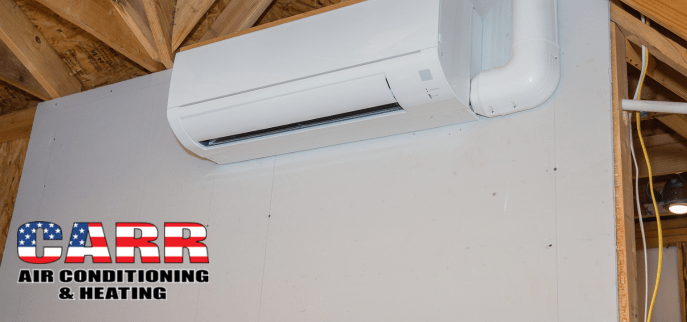
    A ductless AC system, also known as a mini-split system, is a type of air conditioning that does not require ductwork to distribute cooled air throughout your home. Instead, it uses an outdoor unit connected to one or more indoor units via a small conduit that houses the power cable, refrigerant tubing, and a condensate drain.

    Key Components of a Ductless AC System

    1. Outdoor Unit: This component contains the compressor and condenser. It is typically installed outside the home and connects to the indoor units.
    2. Indoor Unit: These units are mounted on walls or ceilings in the rooms you want to cool. Each unit has its own thermostat, allowing for individual temperature control.
    3. Refrigerant Lines: These lines run between the indoor and outdoor units, carrying refrigerant that cools the air.

    How a Ductless AC System Works

    A ductless AC system operates similarly to a traditional central air conditioning system but without the need for ducts. Here’s a step-by-step look at how it works:

    1. Refrigerant Absorbs Heat: The refrigerant in the indoor unit absorbs heat from the room, cooling the air.
    2. Heat is Transferred Outside: The refrigerant carrying the absorbed heat is pumped to the outdoor unit, where the heat is released.
    3. Cooled Air is Recirculated: The cooled refrigerant is cycled back to the indoor unit, where the process repeats, continuously cooling the room.

    Benefits of a Ductless AC System

    Ductless AC systems offer several advantages over traditional air conditioning systems, making them an attractive option for many homeowners.

    1. Energy Efficiency

    Ductless systems are highly energy-efficient. Because they deliver air directly into different zones, there is no energy loss through ducts, which can account for up to 30% of energy consumption in central air systems.

    • Zone Cooling: With separate thermostats for each indoor unit, you can cool only the rooms you use, saving energy and reducing utility bills.
    • Inverter Technology: Many ductless systems use inverter technology, which adjusts the compressor speed based on cooling needs, resulting in lower energy consumption.

    2. Easy Installation

    Installing a ductless AC system is quicker than installing a traditional HVAC system.

    • No Ductwork Needed: The absence of ducts means less labor and time required for installation, making it ideal for older homes or buildings without existing ductwork.
    • Flexible Placement: The small size and versatility of the indoor units allow for flexible placement in different rooms, including those with limited space.

    3. Improved Indoor Air Quality

    Ductless systems can improve indoor air quality by reducing the dust, allergens, and contaminants that often accumulate in ductwork.

    • Advanced Filtration: Many ductless units come with advanced filtration systems that capture and remove pollutants from the air, contributing to a healthier indoor environment.

    4. Quiet Operation

    Ductless AC systems are known for their quiet operation, making them suitable for bedrooms, home offices, and living areas where noise can be disruptive.

    • Silent Indoor Units: The indoor units operate quietly, providing a comfortable and peaceful environment.

    Maintenance and Repair of Ductless AC Systems

    Like all HVAC systems, ductless AC systems require regular maintenance and occasional repairs to operate efficiently and extend their lifespan. At Carr AC, we offer comprehensive AC maintenance and repair services to keep your ductless system in top condition.

    Regular Maintenance Tips

    1. Clean the Filters: Clean or replace the filters every few months to maintain airflow and efficiency.
    2. Inspect the Outdoor Unit: Keep the outdoor unit free of debris, leaves, and obstructions to ensure proper operation.
    3. Check the Refrigerant Levels: Ensure that the refrigerant levels are adequate to avoid system strain and inefficiency.

    When to Call for AC Repair

    • Reduced Cooling Performance: If your ductless system isn’t cooling as effectively as before, it might be time for a professional inspection.
    • Unusual Noises: Strange noises from the indoor or outdoor units can indicate a problem that needs professional attention.
    • Leaking or Moisture: Any signs of leaking or excess moisture around the units should be addressed immediately to prevent further damage.

    Contact Carr AC for AC repair and maintenance in Tampa Bay

    A ductless AC system can be an excellent choice for homeowners looking for energy-efficient, flexible, and effective cooling solutions. Understanding how these systems work and the benefits they offer can help you make an informed decision. At Carr AC, we are dedicated to providing expert AC repair and maintenance services to ensure your ductless system operates at its best. Contact us today to learn more about our services and how we can help you achieve the perfect indoor climate with a ductless AC system.

    Contact Carr AC for new AC installation today. 

  • Should You Shade Your AC Unit?

    Should You Shade Your AC Unit?

    Does it matter if you shade your AC unit? 

    In the relentless heat of a Florida summer, your air conditioning (AC) unit works overtime to keep your home cool and comfortable. Given the intense sun exposure, many homeowners wonder if shading their outdoor AC unit could enhance its efficiency and longevity.

    While the idea may seem straightforward, the decision to shade your AC unit involves several considerations. This post explores whether adding shade to an AC unit is beneficial and how to do it effectively.

    Understanding the Impact of Sun Exposure on AC Units

    The core function of an AC unit involves expelling heat from inside your home to the outdoors. When the outdoor unit, typically known as the condenser, is exposed to direct sunlight, it absorbs additional heat, potentially increasing the temperature of the air around it.

    In theory, if the air around the condenser is hotter, the unit must work harder to cool it down, which could strain the system and reduce its efficiency.

    Benefits of Shading Your AC Unit

    1. Improved Efficiency: Research suggests that shading your AC unit can improve its efficiency. A study by the U.S. Department of Energy found that shading an AC unit could increase its efficiency by up to 10%. This improvement is primarily because the unit doesn’t have to work as hard to cool the air if it’s already at a lower temperature due to the shade.
    2. Extended Lifespan: Less strain on the unit equates to less wear and tear over time. Consequently, properly shading your unit might help extend its lifespan, delaying the need for costly repairs or replacement.
    3. Energy Savings: An efficient AC unit consumes less electricity. By shading your unit and improving its efficiency, you can enjoy lower energy bills, which is especially significant during the hot months in Florida when AC usage is at its peak.

    How to Shade Your AC Unit Properly

    While shading your AC unit can have benefits, it must be done correctly to avoid restricting airflow around the condenser, which could lead to overheating and reduced efficiency. Here are some tips on how to effectively provide shade for your AC unit:

    1. Maintain Adequate Clearance: Ensure that any shade structure provides at least 3-5 feet of clearance around the unit to avoid impeding airflow. Poor airflow can cause the condenser to overheat, negating any benefits that shading might offer.
    2. Use Natural Shade: The best type of shade is natural shade provided by trees or shrubs. Not only do they shade your AC unit, but they also improve the overall aesthetics of your outdoor space and help cool the air before it reaches your condenser. Remember to keep plants trimmed and away from the mechanics of the unit.
    3. Install an Awning or Canopy: If natural shading isn’t an option, consider installing an awning or a canopy over the unit. Ensure it’s high enough to allow heat to escape and not trap humidity around the unit.
    4. Consider the Position of the Sun: When planning shade, consider the path of the sun throughout the day. The most critical times to provide shade for your AC unit are during the peak heat hours from late morning to late afternoon.

    Things to Avoid

    • Do not use enclosing fences or walls: These can severely restrict airflow and cause the unit to overheat.
    • Avoid placing the AC unit under a deck or completely enclosed space: While this might seem like effective shading, it can significantly restrict airflow and lead to moisture issues.

    Contact Carr AC for AC repair and maintenance in Tampa Bay

    Shading your AC unit in Florida can offer several benefits, including improved efficiency, lower energy bills, and extended equipment life. However, it’s crucial to shade the unit correctly to avoid reducing its effectiveness. By following the guidelines mentioned above, you can ensure that your AC unit is shaded effectively, providing you with optimal cooling and energy efficiency.

    At Carr AC, we specialize in optimizing your AC system for the Florida climate. Contact us today for more advice on how to protect and enhance the performance of your AC unit or for any other AC needs you might have.

    Call Carr AC Today — Get Your New AC Installed Fast!

  • The Ultimate Guide to Replacing Your Air Conditioner

    The Ultimate Guide to Replacing Your Air Conditioner

    Looking to replace your AC unit? Here’s a few helpful tips.

    Replacing an air conditioner (AC) can seem daunting, but it doesn’t have to be. Whether you’re dealing with an old, inefficient unit or one that’s simply not working, this guide will walk you through the essential steps and considerations for a successful AC replacement.

    From understanding when to replace your air conditioner to choosing the right AC system and ensuring proper installation, we’ve got you covered.

    When to Replace Your Air Conditioner

    Knowing when to replace your air conditioner is crucial. Here are some signs that it’s time for an AC replacement:

    1. Age of the Unit: Most HVAC systems last between 10-15 years. If yours is older, it might be time to consider a new one.
    2. Frequent Repairs: If your system is constantly breaking down, it might be more cost-effective to invest in a new unit.
    3. High Energy Bills: Older units tend to lead to higher energy bills. A new AC system can save you money in the long run.
    4. Inconsistent Cooling: If your system keeps different rooms at different temperatures, your AC system might be failing.
    5. Excessive Noise: Unusual noises can indicate that your AC unit is on its last legs.

    Choosing the Right AC System

    Selecting the right AC system is essential for energy efficiency and comfort. Here are some factors to consider:

    Types of AC Systems

    1. Central Air Conditioners: Ideal for cooling entire homes, they use ducts to distribute cool air.
    2. Ductless Mini-Splits: Great for homes without ductwork, offering flexibility to cool specific areas.
    3. Window Units: Best for cooling individual rooms but less efficient for whole-house cooling.
    4. Portable Air Conditioners: Flexible and movable but typically less efficient than other types.

    Energy Efficiency

    Look for units with a high Seasonal Energy Efficiency Ratio (SEER). The higher the SEER rating, the more efficient the unit, which can significantly reduce your energy bill.

    Size of the Unit

    An appropriately sized unit is crucial. A unit that’s not the correct size won’t cool your home effectively, while one that’s too large will cycle on and off too frequently, wasting energy and shortening its lifespan.

    Features to Consider

    1. Programmable Thermostats: These can help you save on energy costs by allowing you to set cooling schedules.
    2. Variable Speed Motors: Provide better temperature control and energy efficiency.
    3. Noise Levels: Look for units with lower decibel levels for quieter operation.

    AC Installation: What to Expect

    Proper AC installation is key to ensuring your new unit operates efficiently. Here’s what you should expect:

    1. Professional Assessment: A technician will assess your home to determine the best unit size and type.
    2. Ductwork Inspection: If you have existing ducts, they will be inspected for leaks or damage.
    3. Installation Process: This process begins with removing the old unit, setting up the new one, and connecting it to your home’s ductwork and electrical system.
    4. Testing: After installation, the system will be tested to ensure it’s working correctly.

    Maintaining Your New AC System

    Once your new AC unit is installed, regular maintenance is crucial to keep it running efficiently and extend its lifespan. Here are some maintenance tips:

    1. Regular Filter Changes: Replace filters every 1-3 months to ensure proper airflow and efficiency.
    2. Annual Tune-Ups: Schedule annual maintenance with a professional to check for any issues and keep your system in top shape.
    3. Keep the Unit Clean: Ensure the area around your outdoor unit is free from debris and vegetation.
    4. Check the Thermostat: Ensure your thermostat is functioning correctly and set to the right temperature.

    AC Replacement vs. AC Repair

    Sometimes it’s challenging to decide between repairing your existing unit or opting for an AC replacement. Here are some considerations:

    1. Cost of Repairs: If repairs are becoming frequent and costly, replacement might be a more economical choice.
    2. Age of the Unit: Older units are less efficient and more likely to need repairs.
    3. Energy Efficiency: Newer units are more energy-efficient and can save you money on your energy bill.
    4. Home Comfort: If your current unit is struggling to keep your home comfortable, a new system might be the solution.

    Benefits of Replacing Your Air Conditioner

    Replacing your air conditioner comes with several benefits:

    1. Improved Energy Efficiency: New units are designed to be more energy-efficient, reducing your energy bills.
    2. Enhanced Comfort: Modern systems provide better cooling and humidity control.
    3. Reliability: A new unit is less likely to break down, providing peace of mind.
    4. Increased Home Value: A new, efficient AC system can increase your home’s value.
    5. Environmental Impact: Newer units are better for the environment due to improved efficiency and less harmful refrigerants.

    Common Questions About AC Replacement

    How Much Does It Cost to Replace an Air Conditioner?

    The cost of replacing an air conditioner varies based on the type of unit, the size of your home, and the complexity of the installation. On average, homeowners can expect to pay between $3,000 and $7,000 for a new central air conditioning unit, including installation.

    How Long Does the Installation Process Take?

    The installation process typically takes one to two days. However, this can vary depending on the complexity of the job and whether any additional work, such as ductwork repairs, is needed.

    Can I Replace My AC Unit Myself?

    Replacing an AC unit is a complex task that requires professional expertise. It’s not recommended to attempt this as a DIY project due to the technical and safety aspects involved.

    How Can I Improve My AC System’s Efficiency?

    1. Regular Maintenance: Keep up with regular maintenance and filter changes.
    2. Seal Leaks: Ensure your home is properly sealed to prevent cool air from escaping.
    3. Upgrade Thermostats: Use programmable or smart thermostats to optimize cooling schedules.
    4. Insulate: Proper insulation helps maintain cool temperatures inside your home.

    What Should I Look for in an HVAC Contractor?

    1. Experience and Reputation: Look for contractors with good reviews and extensive experience.
    2. Licensing and Insurance: Ensure they are licensed and insured.
    3. Detailed Quotes: Get detailed quotes to understand what’s included in the price.
    4. References: Ask for references to gauge previous customer satisfaction.

    Contact Carr AC for New A Installation in Tampa Bay

    Replacing your air conditioner can be a significant investment, but it’s one that can greatly improve your home’s comfort, energy efficiency, and overall value. By understanding when to replace your AC, choosing the right system, ensuring proper installation, and maintaining your unit, you can enjoy a cool, comfortable home for years to come.

    Whether you’re dealing with frequent AC repairs or looking to reduce your energy bill, a new air conditioning unit might be the solution you need.

    If you have any questions or need assistance with your AC replacement, don’t hesitate to contact a professional HVAC contractor. They can provide expert guidance and ensure your new system is installed correctly and efficiently.

    Contact Carr AC for new AC installation today.

  • Prolong the Life of Your Equipment with an AC Tuneup

    Prolong the Life of Your Equipment with an AC Tuneup

    How to keep your AC working well this summer.

    As summer approaches, ensuring that your air conditioning system is in top shape becomes a priority. An AC tuneup is not just a seasonal ritual; it’s a critical step in maintaining your heating and cooling system. Regular maintenance can help you avoid costly AC repairs and keep your system running efficiently throughout the year.

    In this guide, we’ll explore the importance of an AC tune-up, what it involves, and how it can save you money in the long run.

    Why AC Tune-Ups Are Essential

    Your air conditioning system is a complex machine with many moving parts that need to work together seamlessly. Over time, these parts can wear out or become less efficient. An AC tune-up ensures that all components are properly maintained and functioning optimally.

    This not only extends the life of your equipment but also improves the efficiency of your heating and cooling system.

    Key Benefits of Regular AC Tune-Ups

    1. Increased Efficiency: Regular maintenance visits help keep your AC system running smoothly, which can significantly reduce your energy costs.
    2. Longer Lifespan: Proper maintenance can add years to the life of your air conditioning system.
    3. Improved Air Quality: An annual AC tune helps ensure that your air filter and condenser coil are clean, improving the air quality in your home.
    4. Prevention of Breakdowns: Regular AC maintenance can identify and fix small issues before they become major problems, preventing unexpected breakdowns.
    5. Savings on Utility Bills: An efficient AC working system uses less energy, which can lead to lower utility bills.

    What Happens During an AC Tune-Up?

    An AC tune-up involves a thorough inspection and servicing of your air conditioning system.

    Here’s what you can typically expect during a maintenance visit:

    1. Inspection and Cleaning

    • Air Filter: The technician will check and change the air filter if necessary. A clean air filter is crucial for maintaining good airflow and reducing strain on the system.
    • Condenser Coil: Cleaning the condenser coil helps improve efficiency and prevent overheating.
    • Electrical Connections: Ensuring all electrical connections are secure and working properly is vital for safety and efficiency.

    2. Checking System Performance

    • Thermostat Calibration: Make sure your thermostat is calibrated correctly to ensure the system is operating at the right temperature.
    • Refrigerant Levels: Checking and adjusting refrigerant levels to maintain cooling efficiency.
    • Moving Parts: Lubricate all moving parts to reduce friction and wear.

    3. Testing and Adjustments

    • System Running Tests: The technician will run the system to check for any unusual noises or issues.
    • Airflow Measurements: Ensuring that the airflow is optimal for the system’s capacity.
    • Ductwork Inspection: Checking for leaks or blockages in the ductwork that could affect performance.

    How Regular Maintenance Saves You Money

    Investing in regular AC maintenance might seem like an additional expense, but it can save you money in several ways:

    1. Reduced Energy Costs

    An air conditioning system that is not properly maintained has to work harder to cool your home, leading to higher energy costs. Regular tune-ups ensure that your system is running efficiently, which can significantly reduce your utility bills.

    2. Fewer Repairs

    By catching potential problems early, regular maintenance can help you avoid the high costs associated with major AC repairs. Small fixes and adjustments during a maintenance visit can prevent larger, more expensive issues down the line.

    3. Longevity of the System

    Proper maintenance extends the lifespan of your HVAC system. This means you can delay the need for a new AC installation, saving you the substantial cost of a new system.

    When to Schedule an AC Tune-Up

    It’s best to schedule an air conditioning tune-up in the spring before the summer heat hits. This ensures your air conditioning system is ready to handle the increased demand. However, if you haven’t had a tune-up in a while, it’s never too late to start. Regular AC maintenance should be performed at least once a year.

    Contact Carr AC for AC Maintenance and Repair in Tampa Bay

    An AC tune-up is a small investment that can lead to significant savings and benefits. By properly maintaining your air conditioning system, you can enjoy a more comfortable home, improved air quality, lower utility bills, and peace of mind knowing your system is operating efficiently. Don’t wait until your AC breaks down – schedule a regular AC tune-up and keep your system in top shape all year round.

    By following these guidelines and regularly maintaining your air conditioners, you can ensure that your home remains cool and comfortable, while also saving money on energy costs and avoiding expensive repairs.

    Contact the team at Carr AC to schedule a free consultation for AC maintenance and repair in Tampa Bay today. 

  • Indoor Air Quality in the Summer Months

    Indoor Air Quality in the Summer Months

    How to improve the air quality in your home during the summer months.

    As summer rolls in, our homes become sanctuaries from the heat, but poor indoor air quality (IAQ) can pose significant health risks. With doors and windows shut tightly to keep out the sweltering heat, it’s vital to focus on indoor air quality control during the warmer months.

    From volatile organic compounds (VOCs) to poor ventilation, summer brings specific challenges that homeowners must address. This guide will go through essential steps to improve air quality and explain the role of AC repair, maintenance, and installation services in maintaining a healthy home environment.

    The Importance of Indoor Air Quality Control

    The Environmental Protection Agency (EPA) emphasizes that indoor air quality can be worse than outdoors, leading to a range of health effects. The Occupational Safety and Health Administration (OSHA) also warns that short-term and long-term exposure to indoor air pollutants can result in respiratory issues, headaches, and even cardiovascular diseases.

    Key Factors Affecting Indoor Air Quality

    1. Building Materials: Formaldehyde, asbestos, and other hazardous substances in materials like insulation can impact air quality.
    2. Gas Stoves: Can release nitrogen dioxide (NO2), increasing pollution levels indoors.
    3. Volatile Organic Compounds: Found in everyday household products like cleaning supplies and paints.
    4. Poor Ventilation: Traps pollutants and reduces fresh air circulation.
    5. Poor AC Maintenance: An unmaintained air conditioning system can circulate allergens, dust, and pollutants.

    Sources of Indoor Air Pollution in Your Home

    Building Materials and Volatile Organic Compounds (VOCs)

    Many modern building materials contain chemicals like formaldehyde, a known VOC. Carpets, plywood, and even furniture can off-gas these compounds, leading to high levels of indoor air pollution.

    Household Appliances

    Gas stoves are a significant source of nitrogen dioxide and carbon monoxide indoors. Without proper ventilation, these pollutants can accumulate, resulting in poor indoor air quality.

    Air Conditioning Systems

    Your air conditioning system can be a double-edged sword. On one hand, it keeps you cool and filters out some pollutants, but on the other hand, if not properly maintained, it can circulate dust, mold, and allergens throughout your home.

    Biological Contaminants

    Mold, bacteria, and dust mites thrive in humid conditions, especially in the summer. Poor ventilation and high humidity levels can exacerbate these issues.

    Health Effects of Poor Indoor Air Quality

    Short-Term Effects

    • Eye, Nose, and Throat Irritation: Caused by exposure to common indoor pollutants.
    • Headaches and Fatigue: Often linked to volatile organic compounds.
    • Dizziness and Nausea: Common symptoms of exposure to carbon monoxide and nitrogen dioxide.

    Long-Term Effects

    • Respiratory Diseases: Asthma, bronchitis, and other conditions can be triggered by prolonged exposure to irritants.
    • Cardiovascular Issues: Long-term exposure to pollutants can increase the risk of heart disease.
    • Cancer: Some VOCs are carcinogenic and can contribute to cancer development.

    Improving Indoor Air Quality During the Summer

    1. Regular AC Maintenance and Repair

    • Routine Maintenance: Schedule routine AC maintenance to clean filters, inspect ductwork, and ensure optimal system performance.
    • Filter Replacement: Replace AC filters every 1-3 months to prevent the circulation of dust and allergens.
    • Duct Cleaning: Clean ducts periodically to remove mold, bacteria, and accumulated dust.

    2. Proper Ventilation

    • Install Exhaust Fans: Especially in kitchens and bathrooms, to reduce high levels of moisture and pollutants.
    • Open Windows: When temperatures allow, open windows to let in fresh air and reduce indoor pollutants.
    • Balanced Ventilation: Consider balanced ventilation systems like heat recovery ventilators (HRVs) to improve airflow without sacrificing cooling.

    3. Control Humidity Levels

    • Dehumidifiers: Use dehumidifiers to keep humidity below 50% and reduce the proliferation of mold and dust mites.
    • AC Efficiency: Ensure your air conditioning system is operating efficiently, as it can help regulate humidity levels indoors.

    4. Minimize VOC Emissions

    • Choose Low-VOC Products: Opt for low-VOC paints, adhesives, and cleaning supplies.
    • Proper Storage: Store chemicals and cleaning agents in tightly sealed containers away from living areas.
    • Green Building Materials: Use environmentally friendly building materials when renovating.

    5. Utilize Air Purifiers

    • HEPA Filters: Air purifiers with HEPA filters can effectively capture small particles and improve air quality.
    • Activated Carbon: Purifiers with activated carbon filters can remove odors and VOCs.

    6. Consider AC Installation Services for Upgrades

    If your current system is outdated, consider upgrading with professional AC installation services. Newer models come with advanced filtration systems that can significantly reduce pollutants and improve overall indoor air quality (IAQ).

    Summary: Taking Control of Your Indoor Air Quality

    Indoor air quality control is crucial, especially during the summer, when heat, humidity, and tightly closed windows exacerbate indoor air quality problems. Prioritize regular AC maintenance, repair, and upgrades to ensure your air conditioning system effectively filters pollutants and provides fresh air. Reduce exposure to sources of indoor air pollution in your home by using low-VOC products, ensuring proper ventilation, and controlling humidity.

    Key Takeaways

    • Schedule regular AC maintenance to improve system performance and air quality.
    • Increase ventilation and consider air purifiers for comprehensive pollutant removal.
    • Address high levels of humidity with dehumidifiers and proper ventilation.
    • Opt for low-VOC building materials and cleaning products to reduce emissions.

    Contact Carr AC to Improve Indoor Air Quality

    By implementing these steps, you’ll enjoy improved health and a more comfortable living environment throughout the summer months. Prioritize your family’s well-being by staying proactive with indoor air quality control and seeking professional help for any AC repair, maintenance, or installation needs.

    Contact our team to schedule a consultation today.