Air Duct Cleaning Archives - Carr Air Conditioning Air Duct Cleaning Archives - Carr Air Conditioning

Category: Air Duct Cleaning

  • What Is a Duke Energy Blower Door Test?

    What Is a Duke Energy Blower Door Test and Why Does It Matter?

    If your home feels harder to cool than it should, or your energy bills keep rising without a clear explanation, the issue may not be your air conditioner alone.

    For many homeowners in Clearwater, Dunedin, and across Pinellas County, comfort problems are often tied to how well the home holds conditioned air. Even a strong HVAC system can struggle if cooled air escapes through gaps, leaks, or weak spots in the home.

    That is where a blower door test can help.

    A blower door test is commonly used during professional energy assessments to measure how airtight a home is. Duke Energy offers residential energy assessment options in Florida, including its free Home Energy Check, and also describes a blower door test as part of its Home Energy House Call Plus service to help pinpoint air leaks.

    What Is a Blower Door Test?

    A blower door test is a diagnostic test that helps identify air leakage in a home.

    During the test, a powerful fan is temporarily installed in an exterior doorway. The fan changes the pressure inside the home, which makes it easier to find areas where outside air is leaking in or conditioned air is escaping out.

    The U.S. Department of Energy explains that professional energy assessors use blower door testing to determine a home’s airtightness and identify air leakage that can affect energy use and comfort.

    In simple terms, the test helps answer an important question:

    How much air is your home losing?

    For Florida homeowners, that matters because every bit of cooled air that escapes has to be replaced. Your HVAC system then has to work longer and harder to keep the home comfortable.

    Why Air Leaks Matter in Florida Homes

    Air leaks are a problem in any climate, but they are especially important in Florida.

    Homes in Pinellas County deal with heat, humidity, and long cooling seasons. When outside air enters the home, your AC system has to cool that air and remove moisture from it. That creates extra work for the system and can make the home feel less comfortable.

    Air leakage can show up in several ways. Some homeowners notice warm rooms, humidity issues, or higher electric bills. Others feel like their AC runs all day but never quite gets the home comfortable.

    In many cases, the HVAC system is only part of the story. The home itself may be allowing too much air to move in and out.

    How Air Leaks Affect Your HVAC System

    Your air conditioning system is designed to cool the air inside your home. When air leaks are present, that job becomes much harder.

    Cooled air may escape into the attic, garage, or outside. At the same time, hot and humid outdoor air may enter through gaps around windows, doors, attic openings, recessed lights, plumbing penetrations, or other weak points.

    This creates a cycle where the HVAC system keeps working, but the home keeps losing comfort.

    Over time, that can lead to longer run times, higher energy use, uneven temperatures, and added wear on the equipment. Even if the system is properly sized and maintained, air leaks can make it seem like the AC is not performing well.

    What Homeowners Learn From a Duke Energy Blower Door Test

    The value of a blower door test is that it helps make hidden problems visible.

    Instead of guessing where air is escaping, the test helps identify areas that may need attention. That gives homeowners a clearer understanding of why their home feels uncomfortable or inefficient.

    For example, a homeowner may assume they need a larger AC system because the house feels warm. But after testing, the bigger issue may be air leakage or poor sealing. In that case, improving the home’s envelope may help the existing HVAC system perform better.

    This is one reason energy audits can be helpful before making major comfort or efficiency decisions.

    The Connection Between Blower Door Testing and High Energy Bills

    High energy bills are one of the main reasons homeowners start looking into energy audits.

    If your electric bill keeps rising, it is easy to blame the AC system right away. Sometimes that is correct. Dirty coils, low refrigerant, poor airflow, aging equipment, and drainage issues can all increase energy use.

    But if the home is leaking air, the system may be fighting a problem it cannot solve on its own.

    A blower door test helps separate HVAC performance issues from home envelope issues. That distinction matters because the right solution depends on the actual cause.

    Why This Matters in Clearwater, Dunedin, and Pinellas County

    Many homes in Clearwater, Dunedin, and nearby communities were built or remodeled over different periods of time. Some homes have older ductwork, attic spaces, room additions, window changes, or building gaps that affect how well the home holds conditioned air.

    Florida homes also face high humidity, which makes air leakage more than just a temperature issue.

    When humid outdoor air enters the home, it can make indoor air feel sticky even when the thermostat says the temperature is low. That often causes homeowners to lower the thermostat, which increases energy usage without fully solving the comfort problem.

    A blower door test can help identify whether uncontrolled air leakage is part of the issue.

    How This Supports Better HVAC Decisions

    A blower door test does not replace HVAC service. It complements it.

    HVAC maintenance helps ensure your system is operating properly. A blower door test helps show whether the home is making that system work harder than necessary.

    Together, those insights can help homeowners make smarter decisions. Instead of guessing, you can better understand whether the issue is related to equipment performance, airflow, ductwork, insulation, air sealing, or a combination of factors.

    That can prevent unnecessary repairs, premature replacement decisions, or repeated comfort problems that never get fully resolved.

    Why Working With a Local HVAC Professional Helps

    After an energy audit or blower door test, many homeowners are left wondering what to do next.

    The report may identify air leaks, duct concerns, or efficiency opportunities, but the next step is understanding which items matter most for comfort and HVAC performance.

    That is where working with a local HVAC contractor can help.

    A contractor familiar with Florida homes can review how the audit findings relate to your AC system, ductwork, airflow, humidity control, and overall comfort. For Carr Air Conditioning customers, this is especially relevant because Carr works with Duke Energy as part of the program and understands how energy efficiency improvements connect back to HVAC performance.

    The Bottom Line

    A Duke Energy blower door test can be a valuable tool for Florida homeowners who want to better understand comfort issues, high energy bills, and air leakage.

    It helps identify where conditioned air may be escaping and where hot, humid outdoor air may be entering the home. In a climate like Pinellas County, that can have a major impact on how hard your HVAC system has to work.

    If your home feels uncomfortable, your AC runs constantly, or your energy bills seem higher than they should be, a blower door test can provide useful answers.

    From there, the right HVAC guidance can help turn those findings into practical next steps for better comfort, efficiency, and long-term system performance.
  • Why is My AC Struggling to Blow Cold Air During the Summer?

    Why is My AC Struggling to Blow Cold Air During the Summer?

    As summer temperatures rise across Florida, your air conditioning system works harder to keep your home cool and comfortable. So when your AC suddenly starts blowing warm air or struggles to maintain the right temperature, it can quickly become frustrating.

    Many homeowners notice reduced cooling performance during the hottest months of the year, often without realizing that small HVAC issues can gradually affect airflow and system efficiency over time. In many cases, professional AC repair can help identify these problems before they become more serious.

    If your AC isn’t cooling properly, there are several possible causes behind the problem. Understanding what may be affecting your system can help you address issues early and keep your home comfortable throughout the summer.

    Common Reasons Your AC is Blowing Warm Air

    Clogged Air Filters

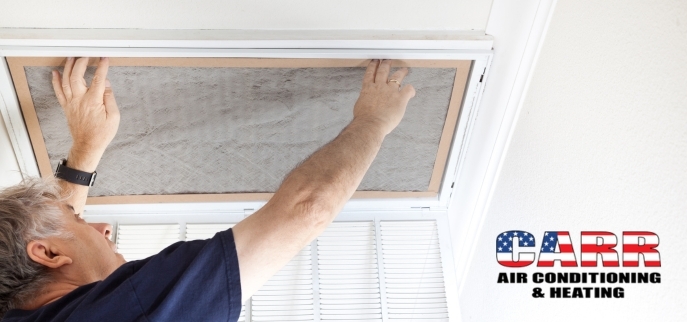
    One of the most common causes of an AC system struggling to blow cold air is clogged air filters. Air filters are essential to maintaining indoor air quality by trapping dust, pollen, and other contaminants.

    Over time, these filters can become clogged, restricting airflow and making it difficult for your system to cool your home effectively.

    Solution: Regularly check and replace your air filters every 1-3 months, depending on usage and the type of filter.

    Incorrect Thermostat Settings

    If your thermostat is set to “on” instead of “auto,” the fan will blow air continuously, even when it’s not being cooled.

    Solution: Set your thermostat to “auto” to ensure the fan only blows when the air is being cooled. Additionally, make sure the temperature setting is appropriate for the desired comfort level.

    Frozen Evaporator Coils

    When the evaporator coils in your AC system freeze, it impedes the cooling process. This can happen due to low refrigerant levels, poor airflow, or even a dirty air filter.

    Solution: If you suspect frozen coils, turn off your AC and let the coils thaw. Afterward, check for clogged air filters and consider calling HVAC professionals to inspect for refrigerant leaks or other underlying issues.

    Dirty Condenser Coils

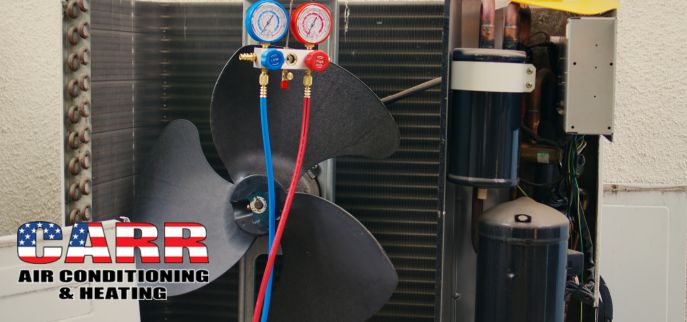
    The condenser coils, located in the outdoor AC unit, release the heat absorbed from your home to the outside. If these coils are not clean or are covered in debris, they can’t effectively release heat, causing your AC to struggle.

    Solution: Regularly clean the area around the outdoor unit and the coils themselves. Professional AC maintenance can ensure a thorough cleaning.

    Refrigerant Leak

    Your air conditioning system relies on refrigerant to absorb heat from the air and provide cooling. A refrigerant leak can severely impact this process, causing your AC to blow warm air.

    Solution: Refrigerant issues require a professional diagnosis and repair. If you suspect a leak, contact an HVAC professional immediately.


    Additional Factors Affecting AC Performance

    Electrical System Issues

    Faulty wiring or issues with the electrical system can prevent your AC from operating correctly. This can cause intermittent cooling problems or complete system failures.

    Solution: Regular electrical inspections and timely repairs can prevent these issues.

    Blocked or Leaky Ductwork

    Ductwork that is blocked or has leaks can result in uneven cooling and reduced efficiency. Air can escape through leaks, and blockages can restrict airflow.

    Solution: Have your ductwork inspected and repaired by a professional to ensure proper airflow.

    Old or Inefficient AC System

    Air conditioners have a typical lifespan of about 10–15 years. If your system is older or has not been maintained properly, it might not be able to keep up with the cooling demands.

    Solution: Consider an AC installation of a new, energy-efficient system if your current one is outdated or inefficient.

    Steps to Prevent AC Issues

    Regular Maintenance

    Scheduled AC maintenance is crucial to keeping your system running efficiently. This includes checking refrigerant levels, cleaning coils, inspecting the electrical system, and ensuring all components are functioning properly.

    Keep the Area Around the Outdoor Unit Clear

    Ensure the outdoor condensing unit has ample space around it for proper airflow. Clear away any debris, plants, or objects that might obstruct its operation.

    Monitor Your AC’s Performance

    Pay attention to any changes in your AC’s performance. If you notice it’s blowing hot air or not cooling effectively, address the issue immediately before it worsens.

    Use a Programmable Thermostat

    A programmable thermostat can help manage the cooling process more efficiently, ensuring your home remains comfortable while optimizing energy use.

    FAQs

    Why is my AC blowing warm air instead of cold air?

    Your AC may blow warm air because of dirty filters, refrigerant leaks, thermostat problems, restricted airflow, or frozen evaporator coils.

    Can a dirty air filter stop my AC from cooling properly?

    Yes. A clogged air filter can restrict airflow and reduce your AC system’s cooling efficiency, especially during hot Florida summers.

    How often should AC filters be replaced?

    Most homeowners should replace air filters every 1–3 months, depending on system usage, indoor air quality, and filter type.

    When should I call a professional for AC repair?

    If your AC continues blowing warm air, has weak airflow, or struggles to maintain temperature, professional HVAC service is recommended.

    Final Thoughts

    Florida summers can place extra strain on your AC system, especially when airflow problems, refrigerant issues, or aging components begin affecting performance. Small issues can quickly become more noticeable during extreme heat.

    Addressing AC problems early can help improve comfort, reduce energy costs, and prevent more expensive repairs later on. Even minor cooling issues can affect how efficiently your system operates throughout the summer.

    If your AC is struggling to blow cold air or maintain consistent temperatures, the team at Carr Air Conditioning can help identify the issue and keep your system running reliably all summer long.

  • What is a Ductless AC System?

    What is a Ductless AC System?

    Are you considering a ductless AC system for your home? Here are some things you should consider. 

    As homeowners seek more efficient and customizable cooling solutions, ductless AC systems have become increasingly popular. Unlike traditional HVAC systems, ductless air conditioning offers unique advantages that can improve comfort and energy efficiency in your home. In this guide, we’ll explain what a ductless AC system is, how it works, and why it might be the perfect solution for your home.

    Understanding Ductless AC Systems

    A ductless AC system, also known as a mini-split system, is a type of air conditioning that does not require ductwork to distribute cooled air throughout your home. Instead, it uses an outdoor unit connected to one or more indoor units via a small conduit that houses the power cable, refrigerant tubing, and a condensate drain.

    Key Components of a Ductless AC System

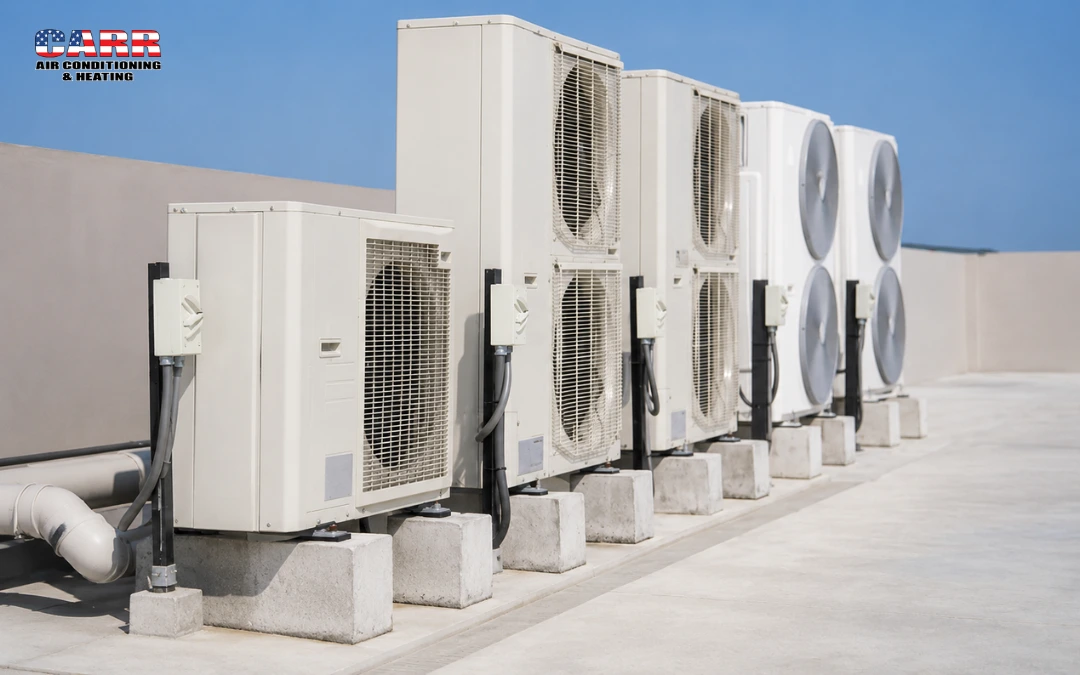
    1. Outdoor Unit: This component contains the compressor and condenser. It is typically installed outside the home and connects to the indoor units.
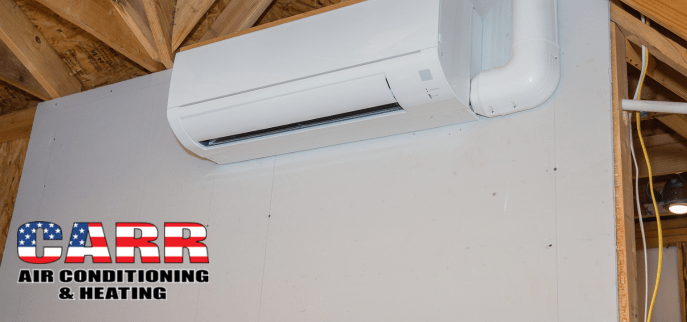
    2. Indoor Unit: These units are mounted on walls or ceilings in the rooms you want to cool. Each unit has its own thermostat, allowing for individual temperature control.
    3. Refrigerant Lines: These lines run between the indoor and outdoor units, carrying refrigerant that cools the air.

    How a Ductless AC System Works

    A ductless AC system operates similarly to a traditional central air conditioning system but without the need for ducts. Here’s a step-by-step look at how it works:

    1. Refrigerant Absorbs Heat: The refrigerant in the indoor unit absorbs heat from the room, cooling the air.
    2. Heat is Transferred Outside: The refrigerant carrying the absorbed heat is pumped to the outdoor unit, where the heat is released.
    3. Cooled Air is Recirculated: The cooled refrigerant is cycled back to the indoor unit, where the process repeats, continuously cooling the room.

    Benefits of a Ductless AC System

    Ductless AC systems offer several advantages over traditional air conditioning systems, making them an attractive option for many homeowners.

    1. Energy Efficiency

    Ductless systems are highly energy-efficient. Because they deliver air directly into different zones, there is no energy loss through ducts, which can account for up to 30% of energy consumption in central air systems.

    • Zone Cooling: With separate thermostats for each indoor unit, you can cool only the rooms you use, saving energy and reducing utility bills.
    • Inverter Technology: Many ductless systems use inverter technology, which adjusts the compressor speed based on cooling needs, resulting in lower energy consumption.

    2. Easy Installation

    Installing a ductless AC system is quicker than installing a traditional HVAC system.

    • No Ductwork Needed: The absence of ducts means less labor and time required for installation, making it ideal for older homes or buildings without existing ductwork.
    • Flexible Placement: The small size and versatility of the indoor units allow for flexible placement in different rooms, including those with limited space.

    3. Improved Indoor Air Quality

    Ductless systems can improve indoor air quality by reducing the dust, allergens, and contaminants that often accumulate in ductwork.

    • Advanced Filtration: Many ductless units come with advanced filtration systems that capture and remove pollutants from the air, contributing to a healthier indoor environment.

    4. Quiet Operation

    Ductless AC systems are known for their quiet operation, making them suitable for bedrooms, home offices, and living areas where noise can be disruptive.

    • Silent Indoor Units: The indoor units operate quietly, providing a comfortable and peaceful environment.

    Maintenance and Repair of Ductless AC Systems

    Like all HVAC systems, ductless AC systems require regular maintenance and occasional repairs to operate efficiently and extend their lifespan. At Carr AC, we offer comprehensive AC maintenance and repair services to keep your ductless system in top condition.

    Regular Maintenance Tips

    1. Clean the Filters: Clean or replace the filters every few months to maintain airflow and efficiency.
    2. Inspect the Outdoor Unit: Keep the outdoor unit free of debris, leaves, and obstructions to ensure proper operation.
    3. Check the Refrigerant Levels: Ensure that the refrigerant levels are adequate to avoid system strain and inefficiency.

    When to Call for AC Repair

    • Reduced Cooling Performance: If your ductless system isn’t cooling as effectively as before, it might be time for a professional inspection.
    • Unusual Noises: Strange noises from the indoor or outdoor units can indicate a problem that needs professional attention.
    • Leaking or Moisture: Any signs of leaking or excess moisture around the units should be addressed immediately to prevent further damage.

    Contact Carr AC for AC repair and maintenance in Tampa Bay

    A ductless AC system can be an excellent choice for homeowners looking for energy-efficient, flexible, and effective cooling solutions. Understanding how these systems work and the benefits they offer can help you make an informed decision. At Carr AC, we are dedicated to providing expert AC repair and maintenance services to ensure your ductless system operates at its best. Contact us today to learn more about our services and how we can help you achieve the perfect indoor climate with a ductless AC system.

    Contact Carr AC for new AC installation today. 

  • Indoor Air Quality in the Summer Months

    Indoor Air Quality in the Summer Months

    How to improve the air quality in your home during the summer months.

    As summer rolls in, our homes become sanctuaries from the heat, but poor indoor air quality (IAQ) can pose significant health risks. With doors and windows shut tightly to keep out the sweltering heat, it’s vital to focus on indoor air quality control during the warmer months.

    From volatile organic compounds (VOCs) to poor ventilation, summer brings specific challenges that homeowners must address. This guide will go through essential steps to improve air quality and explain the role of AC repair, maintenance, and installation services in maintaining a healthy home environment.

    The Importance of Indoor Air Quality Control

    The Environmental Protection Agency (EPA) emphasizes that indoor air quality can be worse than outdoors, leading to a range of health effects. The Occupational Safety and Health Administration (OSHA) also warns that short-term and long-term exposure to indoor air pollutants can result in respiratory issues, headaches, and even cardiovascular diseases.

    Key Factors Affecting Indoor Air Quality

    1. Building Materials: Formaldehyde, asbestos, and other hazardous substances in materials like insulation can impact air quality.
    2. Gas Stoves: Can release nitrogen dioxide (NO2), increasing pollution levels indoors.
    3. Volatile Organic Compounds: Found in everyday household products like cleaning supplies and paints.
    4. Poor Ventilation: Traps pollutants and reduces fresh air circulation.
    5. Poor AC Maintenance: An unmaintained air conditioning system can circulate allergens, dust, and pollutants.

    Sources of Indoor Air Pollution in Your Home

    Building Materials and Volatile Organic Compounds (VOCs)

    Many modern building materials contain chemicals like formaldehyde, a known VOC. Carpets, plywood, and even furniture can off-gas these compounds, leading to high levels of indoor air pollution.

    Household Appliances

    Gas stoves are a significant source of nitrogen dioxide and carbon monoxide indoors. Without proper ventilation, these pollutants can accumulate, resulting in poor indoor air quality.

    Air Conditioning Systems

    Your air conditioning system can be a double-edged sword. On one hand, it keeps you cool and filters out some pollutants, but on the other hand, if not properly maintained, it can circulate dust, mold, and allergens throughout your home.

    Biological Contaminants

    Mold, bacteria, and dust mites thrive in humid conditions, especially in the summer. Poor ventilation and high humidity levels can exacerbate these issues.

    Health Effects of Poor Indoor Air Quality

    Short-Term Effects

    • Eye, Nose, and Throat Irritation: Caused by exposure to common indoor pollutants.
    • Headaches and Fatigue: Often linked to volatile organic compounds.
    • Dizziness and Nausea: Common symptoms of exposure to carbon monoxide and nitrogen dioxide.

    Long-Term Effects

    • Respiratory Diseases: Asthma, bronchitis, and other conditions can be triggered by prolonged exposure to irritants.
    • Cardiovascular Issues: Long-term exposure to pollutants can increase the risk of heart disease.
    • Cancer: Some VOCs are carcinogenic and can contribute to cancer development.

    Improving Indoor Air Quality During the Summer

    1. Regular AC Maintenance and Repair

    • Routine Maintenance: Schedule routine AC maintenance to clean filters, inspect ductwork, and ensure optimal system performance.
    • Filter Replacement: Replace AC filters every 1-3 months to prevent the circulation of dust and allergens.
    • Duct Cleaning: Clean ducts periodically to remove mold, bacteria, and accumulated dust.

    2. Proper Ventilation

    • Install Exhaust Fans: Especially in kitchens and bathrooms, to reduce high levels of moisture and pollutants.
    • Open Windows: When temperatures allow, open windows to let in fresh air and reduce indoor pollutants.
    • Balanced Ventilation: Consider balanced ventilation systems like heat recovery ventilators (HRVs) to improve airflow without sacrificing cooling.

    3. Control Humidity Levels

    • Dehumidifiers: Use dehumidifiers to keep humidity below 50% and reduce the proliferation of mold and dust mites.
    • AC Efficiency: Ensure your air conditioning system is operating efficiently, as it can help regulate humidity levels indoors.

    4. Minimize VOC Emissions

    • Choose Low-VOC Products: Opt for low-VOC paints, adhesives, and cleaning supplies.
    • Proper Storage: Store chemicals and cleaning agents in tightly sealed containers away from living areas.
    • Green Building Materials: Use environmentally friendly building materials when renovating.

    5. Utilize Air Purifiers

    • HEPA Filters: Air purifiers with HEPA filters can effectively capture small particles and improve air quality.
    • Activated Carbon: Purifiers with activated carbon filters can remove odors and VOCs.

    6. Consider AC Installation Services for Upgrades

    If your current system is outdated, consider upgrading with professional AC installation services. Newer models come with advanced filtration systems that can significantly reduce pollutants and improve overall indoor air quality (IAQ).

    Summary: Taking Control of Your Indoor Air Quality

    Indoor air quality control is crucial, especially during the summer, when heat, humidity, and tightly closed windows exacerbate indoor air quality problems. Prioritize regular AC maintenance, repair, and upgrades to ensure your air conditioning system effectively filters pollutants and provides fresh air. Reduce exposure to sources of indoor air pollution in your home by using low-VOC products, ensuring proper ventilation, and controlling humidity.

    Key Takeaways

    • Schedule regular AC maintenance to improve system performance and air quality.
    • Increase ventilation and consider air purifiers for comprehensive pollutant removal.
    • Address high levels of humidity with dehumidifiers and proper ventilation.
    • Opt for low-VOC building materials and cleaning products to reduce emissions.

    Contact Carr AC to Improve Indoor Air Quality

    By implementing these steps, you’ll enjoy improved health and a more comfortable living environment throughout the summer months. Prioritize your family’s well-being by staying proactive with indoor air quality control and seeking professional help for any AC repair, maintenance, or installation needs.

    Contact our team to schedule a consultation today. 

  • How Do I Know if My AC is Struggling to Cool?

    How Do I Know if My AC is Struggling to Cool?

    Why is your AC system struggling to cool your house? 

    As summer approaches, a functioning air conditioning unit is crucial for keeping your home cool and comfortable. However, AC systems, like any other mechanical system, can experience issues. Recognizing the signs of an AC struggling to cool can save you time and money, ensuring that small problems don’t escalate into larger, more costly ones.

    This guide will explain the signs that your AC may be struggling, touching upon various aspects such as AC repair, maintenance, and installation, and how to address common AC problems and issues.

    Signs Your AC is Struggling to Cool

    Reduced Airflow: One of the first signs that your AC unit might be struggling is reduced airflow. If cool air is not circulating as powerfully as it should, it could indicate problems with your air ducts or a damaged AC unit.

    Reduced airflow not only affects the efficiency of cooling your home but can also strain your HVAC system, leading to further issues.

    Warm Air Instead of Cool Air: If you’re feeling warm or hot air coming out of your system instead of cold air, it’s a clear sign that your AC is not removing heat from your home effectively. This issue could be due to a dirty evaporator coil, which impairs the system’s ability to absorb heat from the air, or a refrigerant leak, which directly affects the cooling power of your AC.

    Frequent Cycling: An AC system that turns on and off more frequently than normal is likely struggling. This frequent cycling can indicate a malfunction within the cooling system or an incorrectly sized AC unit for your home. Not only does this increase wear and tear on your air conditioning unit, but it also leads to higher energy bills.

    Unusual Noises: Air conditioning units are designed to run relatively quietly. Unusual noises such as grinding, squealing, or clicking are indicative of AC problems, potentially in the fan motor or other internal components. These sounds should not be ignored, as they can signal the need for immediate AC repair or even a full AC installation of a new unit.

    High Humidity Levels: Part of an air conditioner’s job is to remove excess moisture from the air. If you notice your home feels more humid than usual, it could mean your AC is not effectively removing heat and moisture. This issue can lead to discomfort and mold growth, highlighting the importance of AC maintenance.

    Addressing AC Issues

    AC Maintenance: Regular AC maintenance is essential to prevent many of the issues mentioned. This includes cleaning or replacing dirty air filters, ensuring air ducts are clear of obstructions, and having professional inspections to identify and fix potential problems before they worsen.

    AC Repair: If your AC is already showing signs of struggle, prompt AC repair is crucial. Professionals can address a wide range of problems, from a dirty condenser coil to a refrigerant leak, ensuring your system operates efficiently.

    AC Installation: In some cases, particularly with older AC units, repair may not be the most cost-effective option. A new AC installation can provide a more reliable and energy-efficient solution for cooling your home during hot days.

    Contact Carr AC for AC Repair and Maintenance

    Understanding the signs of an AC struggling to cool is essential for maintaining a comfortable and efficient home environment. By recognizing issues early, you can ensure timely AC repair, maintenance, or installation, avoiding the discomfort of a hot, unconditioned home. Regular maintenance is key to preventing AC issues and ensuring your system is ready to keep you cool and comfortable throughout the hot days ahead.

    Stay ahead of AC problems and ensure your home remains a haven from the heat.

    Contact Carr AC for AC repair and maintenance services today. 

  • How Often Should You Change an AC Filter During the Summer?

    How Often Should You Change an AC Filter During the Summer?

    Understanding how often to change ac filter is one of the easiest ways to keep your cooling system running efficiently during Florida’s hot summer months. Because your AC works harder this time of year, your filter collects dust, debris, and allergens much faster than usual.

    Replacing your AC filter regularly helps reduce strain on the system, lowers energy bills, and improves indoor air quality — especially if you have pets, allergies, or young children.

    Because Florida homes rely on air conditioning almost year‑round, knowing how often to change ac filter becomes even more important. A clean filter supports better airflow, stronger cooling performance, and improved indoor comfort.

    How Often to Change AC Filter in Summer

    Most homeowners should replace their AC filter every 30–45 days during the summer. While many filters are rated for 60–90 days, Florida’s humidity and heavy AC usage shorten that lifespan significantly.

    If you’re unsure how often to change ac filter in your home, the safest approach is to check it monthly. If it looks dirty, replace it immediately — even if it hasn’t reached the recommended timeframe.

    The Role of an AC Filter

    Your AC filter traps dust, pollen, pet hair, and other airborne particles before they circulate through your home. A clean filter improves indoor air quality and helps your AC operate efficiently.

    A clogged filter restricts airflow, forcing your system to work harder. This can lead to higher energy bills, reduced cooling performance, and even system breakdowns. According to the U.S. Department of Energy, replacing a dirty filter can reduce energy use by up to 15% (source).

    Why Regular Filter Replacement Matters

    Replacing your AC filter is one of the most cost‑effective ways to maintain your HVAC system. A dirty filter increases wear and tear, reduces efficiency, and can eventually lead to expensive repairs or premature system failure.

    Dirty filters also allow pollutants to bypass the filter and circulate through your home, which can worsen allergies and respiratory issues.

    Factors That Affect How Often to Change AC Filter

    1. Size of Your Home

    Larger homes circulate more air, which means filters collect debris faster and need more frequent replacement.

    2. Indoor Air Quality

    Homes near busy roads, construction, or dusty environments will clog filters faster.

    3. Pets

    Pet hair and dander are major contributors to clogged filters. Homes with pets should replace filters more often.

    4. Type of Filter

    Pleated filters last longer than fiberglass filters, but both should be checked monthly during summer.

    How Often to Change AC Filter: Quick Guide

    • Fiberglass filters: Replace every 30 days.
    • Pleated filters: Replace every 45–60 days.
    • Homes with pets: Replace every 30 days.
    • Allergy sufferers: Replace every 20–30 days.
    • Vacation homes: Replace every 60–90 days.

    Additional Tips for Summer AC Filter Maintenance

    Understanding how often to change ac filter is only part of proper AC care. Here are a few extra tips:

    • Set a monthly reminder to check your filter.
    • Keep return vents clear of furniture and clutter.
    • Use high‑quality filters if you have allergies or pets.
    • Schedule professional maintenance before summer begins.

    Don’t Forget About Professional AC Maintenance

    Changing your filter is essential, but it’s only one part of proper AC care. A professional technician can inspect your system, clean components, check refrigerant levels, and ensure your AC is ready for heavy summer use.

    For more seasonal tips, visit our Seasonal AC Maintenance Checklist.

    Need AC Maintenance Services? Call Carr Air Conditioning

    Carr Air Conditioning provides expert AC repair, AC installation, and AC maintenance throughout Clearwater, Dunedin, Palm Harbor, and surrounding areas.

    Call us at (727) 447‑7212 to schedule service or ask questions about your AC filter.

  • AC Not Working after a Power Outage?

    AC Not Working after a Power Outage?

    Why is your AC not working after a power outage?

    A power outage isn’t only inconvenient, but it can also impact your air conditioning system. Your air conditioner may even struggle to come back on once power is restored to your home. Following a few troubleshooting tips can help you take care of this problem if your AC is not working after a power outage. Reaching out to an AC repair company is also recommended if you are still experiencing problems with your system.

    Here are some tips to remember if your AC isn’t working after a power outage:

    Turn Off Your Air Conditioner During a Power Outage

    The first step is to always turn off your air conditioner if you experience a power outage. Turning off your system will help protect your AC unit and the internal circuitry from potential power surges once the electricity is restored. Power surges can damage your air conditioning system and lead to costly repairs or replacements.

    Check the Circuit Breaker

    Once the power is back on, the first thing to check is the circuit breaker. Power outages and lightning strikes can cause the breaker to trip, which will prevent your AC from functioning. Locate the breaker panel and find the switch dedicated to your air conditioning system.

    If it has tripped, find the circuit and flip the switch off and then back on. If the breaker still continues to trip, it may indicate a bigger issue that requires professional attention.

    Give your AC Unit Some Time to Reset

    After restoring power to your air conditioner, you will need to give it about 30 minutes to reset itself. This extra time will allow the internal components to stabilize and ensure that the system is ready to function properly. If you are unable to turn on your air conditioner after a power outage after this time, there may be a more significant issue at hand.

    Turn the Thermostat Back On

    Once you’ve given your AC unit time to reset, turn the thermostat back on to its desired temperature. Double-check to see that the thermostat is set to “cool” and make sure the temperature is set lower than the current room temperature. If the AC still does not turn on, try replacing the batteries in the thermostat, as power outages can sometimes drain them.

    Inspect the Power Line and Outdoor Unit

    If your AC is still not working after a power outage, it’s important to inspect the power line and outdoor unit for any visible damage. High winds, falling branches, and lightning strikes can cause damage to your air conditioning system. If you notice any damage or disconnected power lines, do not attempt to fix the issue yourself. You should always contact a professional HVAC company to assess and repair the damage.

    Consider the Age and Condition of your AC System to Restart Your Air conditioner Unit

    Older units may be more susceptible to damage from power surges or outages. Sometimes it can be difficult for an old air conditioner to function normally after a power surge. If your AC system is more than 10–15 years old, you may want to consider investing in a replacement. A new air conditioner will also be much more energy efficient compared to older models.

    Seek Professional Assistance

    If you’ve tried all of the troubleshooting steps mentioned above and your AC is still not working after a power outage, it’s time to call a professional AC repair company. These professionals can diagnose the issue and recommend the best course of action, whether it’s a simple repair or replacement. Regular AC maintenance can also help prevent future issues and keep your air conditioner in optimal working condition.

    Ultimately, dealing with an AC not working after a power outage can be frustrating, but understanding the possible causes and solutions can help you address this issue. You can make sure that your home stays comfortable even in the most challenging circumstances by taking the time to troubleshoot and seeking professional assistance if necessary.

    AC Not Working After a Power Outage? Give Carr AC a Call Today!

    Carr Air Conditioner offers installation and air conditioner repair services for customers in Pinellas County. Our team also specializes in vent and air duct cleaning, pool heat pump repair, dryer vent cleaning, ice machine maintenance, and other services. Delivering the best services to meet the needs of each customer is always a priority.

    Feel free to contact Carr AC to learn more about using our services!

    We also serve:

    Dunedin

    Palm Harbor

    Oldsmar

  • Is Air Duct Cleaning Necessary for Your HVAC Unit to Work?

    Is Air Duct Cleaning Necessary for Your HVAC Unit to Work?

    Is air duct cleaning necessary for your AC to work?

    As a homeowner, you might be wondering, “Is air duct cleaning necessary for my HVAC unit?” The simple answer is yes, and it offers a variety of benefits for homes. Scheduling air duct cleaning is also important for keeping your heating and air conditioning systems well-maintained. Learning all about the importance of getting your air ducts cleaned is well worth your time if you are undecided about using these services.

    The Role of Air Ducts in Heating and Cooling Systems

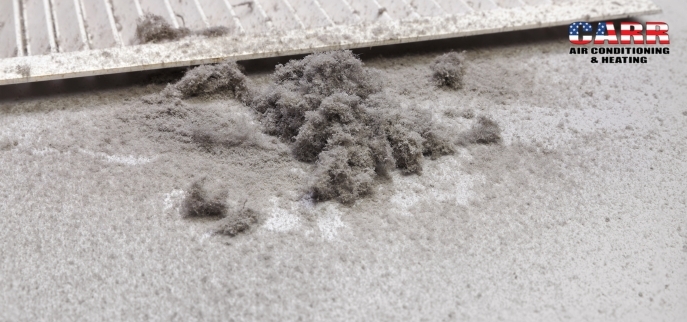
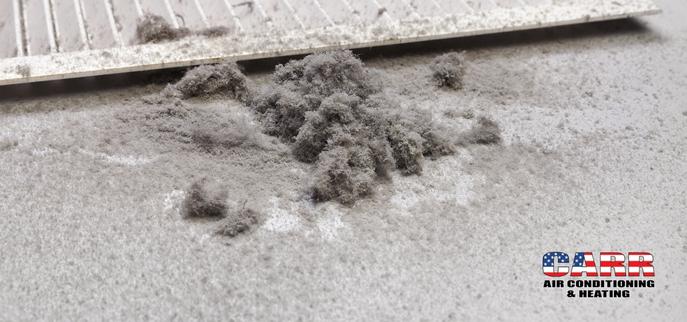
    Ductwork is an integral part of your HVAC system, which is why it’s so important to keep it clean. Air ducts serve as the pathway for heated or cooled air to travel throughout your home. However, these ducts can eventually become filled with dirt, dust, pollen, and other debris that can accumulate over time, which hinders the functioning of your heating and cooling systems.

    Why Is Air Duct Cleaning Necessary?

    Dirty air ducts can lead to various issues, including reducing indoor air quality, increasing energy consumption, and it can even damage your HVAC system. Working with an AC maintenance company specializing in duct cleaning services is always a great choice.

    Here are the biggest reasons why air duct cleaning is necessary:

    Improves Indoor Air Quality and Reduces Dust Levels in Homes

    Indoor air quality is key to maintaining a healthy living space. Dirty air ducts can often be home to mold spores and allergens that can negatively impact the quality of air. Cleaning the air ducts is a great way to remove any contaminants and improve the air you breathe.

    Enhances HVAC Performance

    Debris buildup in your air ducts can impede airflow, causing your heating and cooling systems to work much harder to maintain the desired temperature. This can lead to increased energy consumption and a shorter lifespan for your HVAC unit. Scheduling air duct cleaning can help ensure that your system operates efficiently.

    Prevents Mold Growth

    Another reason why air duct cleaning is necessary is to help prevent mold. Moisture can accumulate in your air ducts, which creates the perfect environment for mold growth. Mold can eventually lead to several health issues and damage your HVAC system. Professional duct cleaning services can help remove mold and prevent it from becoming a persistent problem.

    Extending the Life of Your HVAC System

    A well-maintained heating and cooling system can last for many years, but neglecting air duct cleaning can lead to premature wear and tear. Getting your ducts professionally cleaned can help prolong the life of your HVAC unit while saving you money by avoiding costly repairs.

    How Often Do Air Ducts Need to Be Cleaned?

    The National Air Duct Cleaners Association typically recommends air duct cleaning every two or three years, while the Environmental Protection Agency (EPA) recommends cleaning only as needed. Various factors can impact how often to clean your air ducts, such as the presence of pets, weather conditions, and allergies. It’s essential to consult with professional duct cleaning companies to determine the best schedule for your specific situation.

    What to Expect During Air Duct Cleaning

    Professional air duct cleaning involves the use of specialized equipment, such as a powerful vacuum and brushes, to remove debris and contaminants from your ductwork. The process may also include cleaning the air filters, which can help to improve airflow and the efficiency of your system.

    Before the cleaning process begins, the HVAC technicians should inspect your ducts to ensure they are properly sealed and identify any areas that may require repairs. This inspection can help to prevent the spread of contaminants and ensure that your ducts are in good working order before the cleaning process begins.

    How to Select Professional Air Duct Cleaning Services

    Choosing an HVAC company offering air duct cleaning services is a big decision. Not all companies are the same, which is why it’s a good idea to do some research and ask around for recommendations before selecting air duct cleaning services. An HVAC company needs to be licensed and insured while also having access to the proper equipment to complete the job.

    Need Air Duct Cleaning Services? Give Carr AC a Call Today!

    Carr Air Conditioner offers a wide range of HVAC services for customers in Pinellas County. Our HVAC team can perform many tasks, whether you need AC repair, HVAC maintenance, AC installations, duct cleaning, and much more. We can also answer all of your questions, such as “Is air duct cleaning necessary?” and other concerns.

    Don’t Wait — Call Carr AC Today and Find Out How Our Duct Cleaning Services Can Improve Your Home’s Air Quality!

    We also serve:

    Dunedin

    Palm Harbor

    Oldsmar

  • Recommended Summer Air Conditioner Servicing

    Recommended Summer Air Conditioner Servicing

    Air conditioner servicing our professionals recommend during the summer.

    Keeping your home cool during the hot summer months is no easy feat, and that’s why air conditioner servicing is such an essential part of home ownership. Unfortunately, most people only do something about it once they notice symptoms of a malfunctioning unit, which can be quite costly. That’s where we come in. Our recommended air conditioner servicing tips will help you avoid expensive repairs and keep your AC unit running smoothly all summer.

    1. Change Your AC Filter

    The first thing you have to do when you are servicing your air conditioner is change the filter. This is extremely important for you to do about once a month. Essentially, when your air conditioner does its job of cooling off the air you’re breathing in, it has a lot of dust and impurities.

    Filters will eliminate some of that, but it is better to change them regularly. Note that air conditioner servicing also includes maintenance and filter changes.

    2. Inspect Air Ducts For Leaks

    Another thing you should do is inspect your air ducts for leaks. This will ensure that your cooling power isn’t wasted by leaking ducts. These leaks can be simple to fix, but they might be too much of an annoyance and expense to bother with until the summer, when you need the air conditioner more than ever.

    We recommend you have your ducts sealed right after Thanksgiving, when the temperature is cold enough that you do not need it on at all times. There are many reasons why air ducts can leak. They can corrode, have faulty installation, have a manufacturer flaw, or be infested with pests.

    3. Schedule Your Annual Tune-Up in the Spring

    This service will ensure that your air conditioner will operate at its peak efficiency and won’t have problems during the summer. The tune-up can be as simple as changing the filter and checking for any leaks, or it can be a more involved process that involves replacing parts or adding new ones to make your air conditioner run better. Most HVAC companies offer a tune-up every spring to test your air conditioner, change your filter, and ensure it works better than ever before.

    4. Clean the Air Conditioner’s Condenser Coils

    Don’t forget to clean the air conditioner’s condenser coils at least once a year. If you keep your condenser covered during winter, remove the cover and let it air out so it’ll dry before you clean off the dirt that accumulated on the coils while they were hibernating.

    If you do not keep it covered, get it out of storage and clean the coils immediately. The best way to do this is with a garden hose and a pressure washer. Please don’t use chemical cleaners because they can damage air conditioner parts and cause electrical problems.

    5. Get a Programmable Thermostat

    If you’re like most people, you don’t use your air conditioner all day long. But it does turn on every morning, starting around seven or eight in the summer. Some of that energy is just going to waste, especially if you’re at work or school when it turns on, and when you get home, you don’t need to cool down right away because the sun is shining.

    A programmable thermostat is going to allow you to do this. It will automatically turn your air conditioner on and off at specific times of the day, allowing you to cool off when needed. If you set up your thermostat for a more optimal energy usage period, you can save at least 10% on your energy bill!

    6. Arrange A Professional AC Service

    Air conditioner servicing is a job that should be left in the hands of a professional. Carr AC, an HVAC specialist in Florida who repairs, maintains, and installs AC units, is where you should call if you want a job done right.

    We have been in air conditioner servicing for years and can even help you troubleshoot problems and repair your unit. We even offer maintenance packages that include tune-up services, air duct cleaning, and air handling units. Their technicians arrive with all the necessary tools and parts, so you don’t have to look for an air filter, duct sealant, or a wrench.

    Air conditioners require routine maintenance to ensure they work at their maximum level and do not waste energy. Regular servicing is also important because if you don’t change your filter regularly, you could breathe in dust and other pollutants that are detrimental to your health.

    Air conditioner servicing is necessary to keep your air conditioner operating properly and ensure efficiency. With these tips, you can ensure your AC is ready for summer. If you have any questions or concerns, please contact us for HVAC services today.

    We also serve:

    Dunedin

    Palm Harbor

    Oldsmar

  • How Often Should Air Ducts Be Cleaned?

    How Often Should Air Ducts Be Cleaned?

    How often should you schedule air duct cleaning?

    The HVAC system in your home needs to be cleaned regularly. Dirt, allergens, and pollutants will accumulate in the ductwork over time, and if they are not routinely removed, they can cause serious health issues. Cleaning the ducts also improves the efficiency of your heating and cooling system. Heat exchangers work more efficiently when the air in the ducts is clean.

    How often should air ducts be cleaned?

    The answer depends on the air quality inside your home. Dirty air ducts can:

    • Increase health problems.
    • Cause discomfort in sensitive individuals.
    • Contribute to the growth of mold, bacteria, and other pollutants within the ductwork.
    • Reduce the efficiency of your HVAC system by forcing it to work harder than it should, thereby burdening the fan motor.

    Air ducts need to be cleaned because of the following reasons:

    • Health problems.
    • Visible mold growth.
    • An excessive amount of dust and debris.

    It is essential to note that air duct cleaning can be performed on days when these issues are not present. The higher the level of mold and bacteria, the longer it takes to clean out the ducts.

    Benefits of Clean Air Ducts

    Finding out how often air ducts should be cleaned is essential to enjoying the following benefits:

    • Increased energy efficiency: Any reduction in ductwork efficiency means you are paying more for your utility expenses.
    • Improved indoor air quality: If you are sensitive to specific allergens, your home’s indoor air quality can significantly impact your energy and vitality.
    • Reduced mold and mildew growth: If you have moisture issues in your ductwork, you can help prevent mold and mildew from growing in the ducts by having them cleaned regularly.
    • Increased comfort: Clean air ducts mean more comfort for you.
    • Improved airflow: You can help improve airflow in your home by ensuring that the air distributed there is fresh.
    • Keeping your air ducts clean is an essential home maintenance task that should be done annually. Contact duct cleaning companies today to schedule your yearly duct cleaning.

    DIY vs. Professional Air Duct Cleaning.

    There are some things that you should always leave to the professionals. Instead of doing it yourself, here are some reasons you should always hire a professional for air duct cleaning.

    • Accessibility: You could probably do a DIY job if you had the proper equipment and expertise. However, chances are you don’t. Therefore, you must hire a professional team to clean your air ducts.
    • Respiratory health: Your home has many toxins (like mold and bacteria). These materials can harm your well-being if you have brittle bones or poor lung function. The Environmental Protection Agency is keen on reducing toxins due to respiratory health issues in America.
    • Fire hazard: The chemicals involved in a DIY air duct cleaning can lead to a fire.
    • Experience: No one wants to hire an inexperienced crew. Professional cleaners have the necessary expertise to handle any job.
    • Healthy air ducts are critical to the health and well-being of everyone in your home. By knowing how often air ducts should be cleaned, you can always maintain good air quality and air conditioning in your house.

    What to Expect From an Air Duct Cleaning Service Provider.

    Most companies will indicate to you how often air ducts should be cleaned, and their services include:

    Contact Carr AC for Air Duct Cleaning Today

    In conclusion, the question of how often air ducts should be cleaned should be answered by you. The answer will vary if you have family members with respiratory issues or own an old home that has not been renovated in many years.

    Carr AC is here to clean your air ducts and assist with any other HVAC issues or maintenance you may have. Contact us today for a free consultation and let us clean your air ducts to improve your home’s air quality.

    We also serve:

    Dunedin

    Palm Harbor

    Oldsmar