HVAC Inspection Archives - Page 2 of 3 - Carr Air Conditioning HVAC Inspection Archives - Page 2 of 3 - Carr Air Conditioning

Category: HVAC Inspection

  • How to Extend the Lifespan of Your Air Conditioning Unit

    How to Extend the Lifespan of Your Air Conditioning Unit

    Tips to extend the lifespan of your AC unit.

    Your air conditioning unit is a silent hero, diligently working to keep your home comfortable through sweltering summers and chilly winters. However, like any hardworking appliance, it requires care to ensure it operates efficiently for an extended period of time. Today, we’ll explore practical tips on how to extend the lifespan of your air conditioning unit, touching on essential aspects such as regular maintenance, repair, and energy efficiency.

    Regular Maintenance Matters

    Just like any other machine, your air conditioning unit benefits greatly from regular maintenance. Hiring a professional HVAC technician for annual check-ups can help identify and address potential issues before they escalate. Routine inspections, filter changes, and cleaning the condensing unit are crucial steps in preventing breakdowns and maximizing efficiency.

    Understanding the Lifespan

    On average, air conditioning units have a lifespan of 15 to 25 years. However, this depends on various factors, including the frequency of use, the quality of the installation, and the level of maintenance. A well-maintained system is more likely to reach the upper end of this range, providing you with reliable cooling for a longer period of time.

    Energy Efficiency Equals Extended Life

    Investing in an energy-efficient air conditioning unit not only reduces your carbon footprint but also contributes to a longer lifespan for your system. Energy-efficient models consume less power, resulting in less strain on the components and ultimately extending the life of the unit. Consider upgrading to a modern, eco-friendly model to enjoy both comfort and longevity.

    Keep the Outdoor Unit in Top Shape

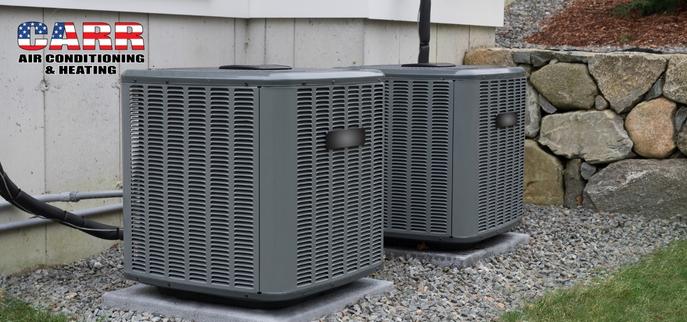
    The outdoor unit, also known as the condensing unit, plays a crucial role in the functionality of your air conditioning system. Ensure that it is free from debris, vegetation, and other obstructions that may hinder proper airflow. Regularly clean the coils and check for any signs of wear and tear. A well-maintained outdoor unit can significantly contribute to the overall performance and lifespan of your AC.

    Knowing When to Repair or Replace

    Understanding when to repair or replace your air conditioning unit is crucial to maximizing its lifespan. If your system is over 15 years old and frequently requires repairs, it might be more cost-effective in the long run to consider a replacement. Consult with an HVAC technician to assess the condition of your unit and help you make an informed decision.

    Avoiding the Efficiency Drop

    Air conditioning units, like any other mechanical system, can lose efficiency over time. This can be attributed to factors such as wear and tear, aging components, or a lack of proper maintenance. Regular check-ups and timely repairs can help mitigate efficiency loss, ensuring that your unit operates at its optimal capacity throughout its lifespan.

    Maintaining Air Quality

    A well-maintained HVAC system not only keeps your home cool but also contributes to better indoor air quality. Clean filters and properly functioning components help remove pollutants, allergens, and contaminants from the air, creating a healthier living environment. This not only benefits your health but also prevents unnecessary strain on your air conditioning unit.

    Contact Carr AC for AC Repair and Maintenance to Extend the Lifespan of Your AC Unit

    In conclusion, extending the lifespan of your air conditioning unit is not only achievable but also essential for long-term comfort and cost savings. By investing in regular maintenance, understanding the lifespan of your system, and prioritizing energy efficiency, you can ensure that your AC unit serves you well for years to come. If you’re unsure about the condition of your HVAC system, consult with a professional HVAC technician to make informed decisions about repairs or replacements.

    Are you ready to give your air conditioning unit the care it deserves? Schedule a free consultation with Carr AC and let our experts guide you towards a cooler, more efficient home. Your comfort is our priority!
  • What is the Best Temperature to Keep Your Heater in Winter?

    What is the Best Temperature to Keep Your Heater in Winter?

    Winter is here, so what is the best temperature to keep inside your home?

    As winter’s frosty embrace tightens its grip, the desire for the ideal indoor temperature becomes a common challenge for homeowners. Determining the best temperature for your heater in winter is a detailed decision influenced by factors such as personal comfort, energy efficiency goals, and overall well-being. Today, we will delve into the considerations and recommendations surrounding the best temperature to keep your heater warm during the chilly winter months.

    Comfort and Health: The 68-72 Degree Sweet Spot

    Experts generally advise maintaining a thermostat setting between 68 and 72 degrees Fahrenheit while you’re at home and active. This temperature range strikes a balance between comfort and energy efficiency. It provides a cozy environment for most individuals, preventing the discomfort associated with a winter cold while ensuring a reasonable energy consumption level.

    This sweet spot is not arbitrary; it considers both physical comfort and the potential financial burden of excessive heating. Keeping your indoor space within this range supports a warm and inviting atmosphere, enhancing your overall well-being during the colder months.

    Energy Efficiency

    While the pursuit of comfort is crucial, it’s equally important to be mindful of energy efficiency to prevent skyrocketing heating costs. Each degree above the recommended range can significantly impact your energy consumption and utility bills. By adhering to the 68–72-degree guideline, you strike a delicate balance, ensuring a warm home without compromising your energy consumption and bills.

    Programmable Thermostats: Precision and Efficiency

    Enter the programmable thermostat, a game-changer in the quest for an optimal indoor temperature. These smart devices allow you to schedule temperature adjustments based on your daily routine. For instance, you can program the thermostat to lower the temperature when the house is empty or during sleeping hours and increase it before waking up or returning home.

    This level of precision enhances both comfort and energy efficiency. You get to enjoy warmth when you need it most, and the thermostat automatically adjusts to conserve energy when heating is less critical.

    Nighttime Settings: Sweet Dreams and Energy Savings

    Nighttime offers an opportunity for additional energy savings. Many people find lower temperatures conducive to sleep, and adjusting the thermostat accordingly can be beneficial. A nighttime setting of around 60–65 degrees strikes a balance between comfort and conservation, aligning with the body’s natural tendency to require less warmth during rest.

    Occupancy and Zoning: Tailoring Heat to Need

    For homes with multiple zones equipped with individual thermostats, consider leveraging occupancy and zoning strategies. Adjust temperatures based on room usage, keeping unused spaces cooler and directing heat to occupied areas. This targeted approach optimizes energy use, avoiding unnecessary heating in unoccupied rooms.

    Insulation and Sealing

    Regardless of the chosen temperature setting, the efficiency of your heating system hinges on proper insulation and sealing. Ensure that doors and windows are tightly sealed and that your home is adequately insulated to retain the warmth generated by your heater. This proactive step minimizes energy waste, promoting a consistently warm indoor environment.

    Contact Carr AC for Heater Repair, Maintenance, and Installation Services

    Determining the best temperature for your heater in winter involves a thoughtful blend of personal comfort and energy efficiency. The 68–72-degree Fahrenheit range stands out as a well-researched and recommended guideline, providing a comfortable living environment while keeping energy costs in check. Integrating programmable thermostats, adjusting temperatures during the night, and implementing occupancy-based zoning strategies further refine this balance.

    Remember, the goal is to create a warm and inviting home that aligns with your lifestyle while maintaining a consciousness of energy consumption. Regular heating system maintenance, coupled with proper insulation and sealing, contributes to an energy-efficient home that remains comfortable throughout the winter season. By adopting these practices, you can navigate winter with confidence, striking the right balance for a warm and cozy indoor space.

    If your heating or AC system needs repairs or maintenance, Contact Carr AC for fast and efficient services.

  • How to Keep AC Drain Lines From Getting Clogged

    How to Keep AC Drain Lines From Getting Clogged

    How to prevent AC drain lines from clogging.

    Air conditioning units are a lifesaver during the peak of summer. However, just like any other appliance, AC units need regular maintenance to function effectively. One common problem that can affect air conditioners is a clogged AC drain line. This issue with your air conditioner can happen over time for several reasons.

    Understanding the AC Drain Line

    The air conditioner drain line, which is also called the condensate drain, is a crucial component of your air conditioning unit. It directs the water created during the cooling process out of your home. However, the damp environment in the drain line is an ideal breeding ground for mold and algae, which can eventually lead to a clogged AC drain line.

    Why Does a Drain Line Get Clogged?

    An AC drain line gets clogged mainly due to the accumulation of dirt, mold, algae, and other debris over time. Your air conditioner doesn’t only cool the indoor air; it also dehumidifies it, which produces condensation. This condensation drips down from the evaporator coil into a condensate pan and then exits your home through the AC drain line.

    Regular AC Maintenance: The First Step

    Regular AC maintenance is crucial to preventing a clogged AC drain line. Part of the routine maintenance should include checking the AC filter and replacing it as required. A clean filter will reduce dust and debris, minimizing the chances of your drain line getting clogged.

    Recognizing the signs of a clogged AC drain line is crucial to preventing serious damage to your AC system and your home.

    Here are some key symptoms to watch out for:

    Water Leaks

    One of the most common signs of a clogged AC drain line is water leaking from your air conditioning unit. You might notice pools of water around your indoor unit or water stains on the surrounding walls or ceiling.

    Increased Humidity

    If the drain pipe is clogged, your AC unit can’t effectively remove moisture from the air, resulting in higher humidity levels inside your home.

    Unpleasant Smells

    Mold, mildew, and stagnant water in a clogged drain line can produce musty or rotten egg-like odors.

    AC System Shuts Down

    Some modern AC systems will automatically shut down if the drain pan overflows.

    Visible Mold

    A clogged drain line can create an environment conducive to mold growth. You might notice mold around the air vents or the AC unit.

    Reduced AC Performance

    The unit might struggle to cool your home or run in short, frequent cycles.

    If you notice any of these symptoms, it’s best to call a professional immediately to inspect your AC unit and clear the drain line if necessary.

    Cleaning the AC Drain Line

    A crucial aspect of maintaining your air conditioning system is keeping the AC drain line clean. This task involves using a wet-dry vacuum to suck out any standing water and debris in the PVC pipe. Regularly pouring a cup of vinegar or warm water down the drain line can help prevent clogs and mold growth.

    Install a Drain Pan and Drain Line Overflow Protection

    Installing a drain pan under the indoor unit can prevent water damage if your AC drain line remains clogged. A drain pan overflow shutoff switch can also automatically turn off your AC system if the drain pan fills up, preventing further water damage.

    Clearing a Clogged AC Drain Line

    Despite your best efforts, you may find that your AC drain line is still clogged. You can try using a wet-dry vacuum to unclog the drain line. If this doesn’t work, it’s time to call in the professionals.

    Why Professional AC Repair Services Matter

    A professional AC repair company has the equipment to effectively clear clogged AC drain lines. They can also inspect your entire AC system, including the evaporator coil and other components, to ensure everything is functioning as it should. Besides AC repairs, they also offer AC installations and regular AC maintenance services, which can help prevent issues like clogged AC drain lines in the future.

    AC Drain Line Clogged? Reach Out to Carr AC Today!

    Carr AC offers a full range of services, including AC repairs, AC installations, and regular AC maintenance, to ensure your air conditioner works efficiently throughout the summer. Our experts have the skills and experience to tackle any issue, including a clogged AC drain line.

    Discover What Carr AC Can Do for You — Call Us Today!

  • How Often Should You Change an AC Filter During the Summer?

    How Often Should You Change an AC Filter During the Summer?

    Understanding how often to change ac filter is one of the easiest ways to keep your cooling system running efficiently during Florida’s hot summer months. Because your AC works harder this time of year, your filter collects dust, debris, and allergens much faster than usual.

    Replacing your AC filter regularly helps reduce strain on the system, lowers energy bills, and improves indoor air quality — especially if you have pets, allergies, or young children.

    Because Florida homes rely on air conditioning almost year‑round, knowing how often to change ac filter becomes even more important. A clean filter supports better airflow, stronger cooling performance, and improved indoor comfort.

    How Often to Change AC Filter in Summer

    Most homeowners should replace their AC filter every 30–45 days during the summer. While many filters are rated for 60–90 days, Florida’s humidity and heavy AC usage shorten that lifespan significantly.

    If you’re unsure how often to change ac filter in your home, the safest approach is to check it monthly. If it looks dirty, replace it immediately — even if it hasn’t reached the recommended timeframe.

    The Role of an AC Filter

    Your AC filter traps dust, pollen, pet hair, and other airborne particles before they circulate through your home. A clean filter improves indoor air quality and helps your AC operate efficiently.

    A clogged filter restricts airflow, forcing your system to work harder. This can lead to higher energy bills, reduced cooling performance, and even system breakdowns. According to the U.S. Department of Energy, replacing a dirty filter can reduce energy use by up to 15% (source).

    Why Regular Filter Replacement Matters

    Replacing your AC filter is one of the most cost‑effective ways to maintain your HVAC system. A dirty filter increases wear and tear, reduces efficiency, and can eventually lead to expensive repairs or premature system failure.

    Dirty filters also allow pollutants to bypass the filter and circulate through your home, which can worsen allergies and respiratory issues.

    Factors That Affect How Often to Change AC Filter

    1. Size of Your Home

    Larger homes circulate more air, which means filters collect debris faster and need more frequent replacement.

    2. Indoor Air Quality

    Homes near busy roads, construction, or dusty environments will clog filters faster.

    3. Pets

    Pet hair and dander are major contributors to clogged filters. Homes with pets should replace filters more often.

    4. Type of Filter

    Pleated filters last longer than fiberglass filters, but both should be checked monthly during summer.

    How Often to Change AC Filter: Quick Guide

    • Fiberglass filters: Replace every 30 days.
    • Pleated filters: Replace every 45–60 days.
    • Homes with pets: Replace every 30 days.
    • Allergy sufferers: Replace every 20–30 days.
    • Vacation homes: Replace every 60–90 days.

    Additional Tips for Summer AC Filter Maintenance

    Understanding how often to change ac filter is only part of proper AC care. Here are a few extra tips:

    • Set a monthly reminder to check your filter.
    • Keep return vents clear of furniture and clutter.
    • Use high‑quality filters if you have allergies or pets.
    • Schedule professional maintenance before summer begins.

    Don’t Forget About Professional AC Maintenance

    Changing your filter is essential, but it’s only one part of proper AC care. A professional technician can inspect your system, clean components, check refrigerant levels, and ensure your AC is ready for heavy summer use.

    For more seasonal tips, visit our Seasonal AC Maintenance Checklist.

    Need AC Maintenance Services? Call Carr Air Conditioning

    Carr Air Conditioning provides expert AC repair, AC installation, and AC maintenance throughout Clearwater, Dunedin, Palm Harbor, and surrounding areas.

    Call us at (727) 447‑7212 to schedule service or ask questions about your AC filter.

  • Summer AC Maintenance Checklist

    Summer AC Maintenance Checklist

    Our professionals will ensure these components of your AC are maintained for the summer.

    The temperature is steadily rising, and summer will be here before you know it. Staying proactive by following an AC maintenance checklist is important for keeping your cooling system working at an optimal level. You can do a few of these tasks yourself. However, it’s a better idea to reach out to a professional to handle all of these maintenance tasks for you.

    Scheduling preventative AC maintenance can also help you avoid expensive repairs and save you a lot of stress.

    Here is an AC maintenance checklist to explain how our technicians will inspect and maintain your AC unit:

    Check and Replace the Air Filter

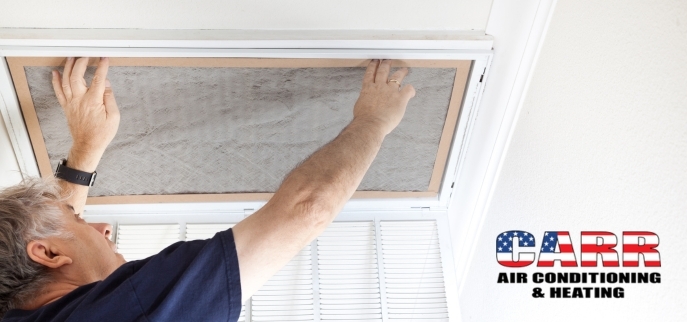
    One of the simplest yet most crucial steps in any AC maintenance checklist is to check the air filter. Dirty air filters can force your system to work harder, which can potentially damage your unit. Regularly cleaning or replacing filters improves efficiency and indoor air quality.

    Inspect the Outdoor Unit

    The outdoor unit, especially the condenser coils, needs to be free from any obstruction that might affect its performance. An HVAC professional will clean the outdoor condenser to ensure it’s working at an optimal level for the summer months.

    Check the Refrigerant Level

    The refrigerant in your AC unit is essential for cooling your home. Any changes in the level may mean a leak in the refrigerant system, which should be addressed immediately. A technician can easily check the refrigerant level and make any needed adjustments.

    Examine Electrical Components

    Loose or frayed wires can lead to significant safety issues. Electrical problems can even cause a fire. Our team will make sure the electrical components are in excellent condition before you begin using your air conditioner.

    Clean the Evaporator Coils

    Over time, evaporator coils collect dust and dirt, reducing your AC’s efficiency. It’s crucial to clean these coils to keep any issues to a minimum. An HVAC company can clean the evaporator coils as part of an AC maintenance checklist.

    Check the Drain Line

    The drain line can often become clogged with debris, potentially causing water damage or high humidity levels in your home. It’s recommended to clean the drain line regularly to ensure it’s not obstructed. Professionals can clean your drain line to help you avoid any major issues.

    Seal Air Leaks

    Leaks can eventually happen in your ductwork over time. These leaks can start small and become much bigger. Sealing air leaks in your ductwork allows air conditioning systems to work more efficiently and reduce energy costs.

    Inspect Your Insulation

    Your AC could be working double time if your home isn’t properly insulated. We will check your home’s insulation, especially in the attic and around windows and doors. Good insulation not only helps your AC perform better but also reduces energy consumption.

    Schedule a Professional Inspection

    Despite your best efforts, there might be other issues with your AC that only a professional can diagnose. Scheduling a professional inspection annually can save you money and headaches in the long run. Professionals will check the refrigerant level, test for leaks, measure airflow, inspect electric terminals, and check other moving parts.

    Let Carr AC Help You Complete an AC Maintenance Checklist

    Carr AC understands the importance of keeping your home cool during the summer. Our trained professionals are committed to ensuring your AC unit and HVAC system are running smoothly. We offer many different services, including AC repair, AC maintenance, and AC installations. You can trust that your air conditioning maintenance is in good hands.

    Reach out to Carr AC at 727-447-7212 for more information!

    We also serve:

    Dunedin

    Palm Harbor

    Oldsmar

  • AC Not Working after a Power Outage?

    AC Not Working after a Power Outage?

    Why is your AC not working after a power outage?

    A power outage isn’t only inconvenient, but it can also impact your air conditioning system. Your air conditioner may even struggle to come back on once power is restored to your home. Following a few troubleshooting tips can help you take care of this problem if your AC is not working after a power outage. Reaching out to an AC repair company is also recommended if you are still experiencing problems with your system.

    Here are some tips to remember if your AC isn’t working after a power outage:

    Turn Off Your Air Conditioner During a Power Outage

    The first step is to always turn off your air conditioner if you experience a power outage. Turning off your system will help protect your AC unit and the internal circuitry from potential power surges once the electricity is restored. Power surges can damage your air conditioning system and lead to costly repairs or replacements.

    Check the Circuit Breaker

    Once the power is back on, the first thing to check is the circuit breaker. Power outages and lightning strikes can cause the breaker to trip, which will prevent your AC from functioning. Locate the breaker panel and find the switch dedicated to your air conditioning system.

    If it has tripped, find the circuit and flip the switch off and then back on. If the breaker still continues to trip, it may indicate a bigger issue that requires professional attention.

    Give your AC Unit Some Time to Reset

    After restoring power to your air conditioner, you will need to give it about 30 minutes to reset itself. This extra time will allow the internal components to stabilize and ensure that the system is ready to function properly. If you are unable to turn on your air conditioner after a power outage after this time, there may be a more significant issue at hand.

    Turn the Thermostat Back On

    Once you’ve given your AC unit time to reset, turn the thermostat back on to its desired temperature. Double-check to see that the thermostat is set to “cool” and make sure the temperature is set lower than the current room temperature. If the AC still does not turn on, try replacing the batteries in the thermostat, as power outages can sometimes drain them.

    Inspect the Power Line and Outdoor Unit

    If your AC is still not working after a power outage, it’s important to inspect the power line and outdoor unit for any visible damage. High winds, falling branches, and lightning strikes can cause damage to your air conditioning system. If you notice any damage or disconnected power lines, do not attempt to fix the issue yourself. You should always contact a professional HVAC company to assess and repair the damage.

    Consider the Age and Condition of your AC System to Restart Your Air conditioner Unit

    Older units may be more susceptible to damage from power surges or outages. Sometimes it can be difficult for an old air conditioner to function normally after a power surge. If your AC system is more than 10–15 years old, you may want to consider investing in a replacement. A new air conditioner will also be much more energy efficient compared to older models.

    Seek Professional Assistance

    If you’ve tried all of the troubleshooting steps mentioned above and your AC is still not working after a power outage, it’s time to call a professional AC repair company. These professionals can diagnose the issue and recommend the best course of action, whether it’s a simple repair or replacement. Regular AC maintenance can also help prevent future issues and keep your air conditioner in optimal working condition.

    Ultimately, dealing with an AC not working after a power outage can be frustrating, but understanding the possible causes and solutions can help you address this issue. You can make sure that your home stays comfortable even in the most challenging circumstances by taking the time to troubleshoot and seeking professional assistance if necessary.

    AC Not Working After a Power Outage? Give Carr AC a Call Today!

    Carr Air Conditioner offers installation and air conditioner repair services for customers in Pinellas County. Our team also specializes in vent and air duct cleaning, pool heat pump repair, dryer vent cleaning, ice machine maintenance, and other services. Delivering the best services to meet the needs of each customer is always a priority.

    Feel free to contact Carr AC to learn more about using our services!

    We also serve:

    Dunedin

    Palm Harbor

    Oldsmar

  • Is Air Duct Cleaning Necessary for Your HVAC Unit to Work?

    Is Air Duct Cleaning Necessary for Your HVAC Unit to Work?

    Is air duct cleaning necessary for your AC to work?

    As a homeowner, you might be wondering, “Is air duct cleaning necessary for my HVAC unit?” The simple answer is yes, and it offers a variety of benefits for homes. Scheduling air duct cleaning is also important for keeping your heating and air conditioning systems well-maintained. Learning all about the importance of getting your air ducts cleaned is well worth your time if you are undecided about using these services.

    The Role of Air Ducts in Heating and Cooling Systems

    Ductwork is an integral part of your HVAC system, which is why it’s so important to keep it clean. Air ducts serve as the pathway for heated or cooled air to travel throughout your home. However, these ducts can eventually become filled with dirt, dust, pollen, and other debris that can accumulate over time, which hinders the functioning of your heating and cooling systems.

    Why Is Air Duct Cleaning Necessary?

    Dirty air ducts can lead to various issues, including reducing indoor air quality, increasing energy consumption, and it can even damage your HVAC system. Working with an AC maintenance company specializing in duct cleaning services is always a great choice.

    Here are the biggest reasons why air duct cleaning is necessary:

    Improves Indoor Air Quality and Reduces Dust Levels in Homes

    Indoor air quality is key to maintaining a healthy living space. Dirty air ducts can often be home to mold spores and allergens that can negatively impact the quality of air. Cleaning the air ducts is a great way to remove any contaminants and improve the air you breathe.

    Enhances HVAC Performance

    Debris buildup in your air ducts can impede airflow, causing your heating and cooling systems to work much harder to maintain the desired temperature. This can lead to increased energy consumption and a shorter lifespan for your HVAC unit. Scheduling air duct cleaning can help ensure that your system operates efficiently.

    Prevents Mold Growth

    Another reason why air duct cleaning is necessary is to help prevent mold. Moisture can accumulate in your air ducts, which creates the perfect environment for mold growth. Mold can eventually lead to several health issues and damage your HVAC system. Professional duct cleaning services can help remove mold and prevent it from becoming a persistent problem.

    Extending the Life of Your HVAC System

    A well-maintained heating and cooling system can last for many years, but neglecting air duct cleaning can lead to premature wear and tear. Getting your ducts professionally cleaned can help prolong the life of your HVAC unit while saving you money by avoiding costly repairs.

    How Often Do Air Ducts Need to Be Cleaned?

    The National Air Duct Cleaners Association typically recommends air duct cleaning every two or three years, while the Environmental Protection Agency (EPA) recommends cleaning only as needed. Various factors can impact how often to clean your air ducts, such as the presence of pets, weather conditions, and allergies. It’s essential to consult with professional duct cleaning companies to determine the best schedule for your specific situation.

    What to Expect During Air Duct Cleaning

    Professional air duct cleaning involves the use of specialized equipment, such as a powerful vacuum and brushes, to remove debris and contaminants from your ductwork. The process may also include cleaning the air filters, which can help to improve airflow and the efficiency of your system.

    Before the cleaning process begins, the HVAC technicians should inspect your ducts to ensure they are properly sealed and identify any areas that may require repairs. This inspection can help to prevent the spread of contaminants and ensure that your ducts are in good working order before the cleaning process begins.

    How to Select Professional Air Duct Cleaning Services

    Choosing an HVAC company offering air duct cleaning services is a big decision. Not all companies are the same, which is why it’s a good idea to do some research and ask around for recommendations before selecting air duct cleaning services. An HVAC company needs to be licensed and insured while also having access to the proper equipment to complete the job.

    Need Air Duct Cleaning Services? Give Carr AC a Call Today!

    Carr Air Conditioner offers a wide range of HVAC services for customers in Pinellas County. Our HVAC team can perform many tasks, whether you need AC repair, HVAC maintenance, AC installations, duct cleaning, and much more. We can also answer all of your questions, such as “Is air duct cleaning necessary?” and other concerns.

    Don’t Wait — Call Carr AC Today and Find Out How Our Duct Cleaning Services Can Improve Your Home’s Air Quality!

    We also serve:

    Dunedin

    Palm Harbor

    Oldsmar

  • Is My AC Raising My Energy Bill?

    Is My AC Raising My Energy Bill?

    Is your AC causing your energy bill to increase?

    Turning on your air conditioning system during the spring and summer is a great way to stay cool and comfortable. Of course, “does your AC make your electric bill high?” is a common concern for many homeowners. Fortunately, you can follow a few tips to help you lower the costs of running your air conditioner. Reaching out to an HVAC professional to perform routine maintenance on your AC system is also a great choice that can boost the efficiency of your air conditioner.

    Here is an overview of how an AC can make your energy bill high.

    An Older Unit

    An older air conditioner will begin to operate less efficiently over time. You can expect most air conditioning units to last anywhere between 15 and 20 years before you need to consider getting a replacement. A new air conditioner can help you avoid a high electricity bill, and you are less likely to deal with any repairs in the near future.

    Lack of Maintenance

    Many homeowners fail to keep their air conditioners well-maintained, which causes the system to work harder in providing cool air for your house. For example, a dirty air filter can restrict airflow and put additional strain on your system. Replacing your air filter and scheduling a professional inspection are essential to saving energy and reducing utility costs.

    Duct Leaks

    The ductwork in your home plays a vital role in distributing cool air throughout your house. However, even a small duct leak can reduce the efficiency of your air conditioner and cause a higher electric bill. Hiring an HVAC professional to inspect your ductwork and make any needed repairs is key to taking care of this problem.

    Low Refrigerant Level

    Air conditioners use refrigerant to keep your house cool. However, you may have a refrigerant leak if your air conditioner is having difficulty cooling your home. A refrigerant leak doesn’t only cause high electric bills; it’s also a significant environmental hazard. An HVAC technician will need to check the refrigerant level in your system and make repairs.

    Faulty Thermostat

    A thermostat can begin to malfunction and make it difficult to keep your home comfortable. Replacing your older thermostat with a programmable thermostat can save you money and be much more convenient. You can easily set the temperature using your smartphone and even create a daily schedule. The thermostat will automatically adjust to follow these settings to help you avoid paying a high energy bill.

    Wrong Size

    An air conditioner needs to be the right size, or it can result in a lot of problems. For example, an undersized unit will struggle to keep your home cool, and it will run nearly all of the time. On the other hand, a unit that’s too big for your home uses too much energy to keep your house comfortable. Getting a professional to inspect your system before making a replacement is key to maintaining energy efficiency by choosing the right size unit.

    Does your AC make your electric bill high? Here is how homeowners can reduce the chance of an AC raising their energy bill.

    Stay Proactive With AC Maintenance

    Keeping your air conditioner well-maintained can help you lower your utility bill. Scheduling ongoing maintenance services is a great way to optimize your air conditioner and limit the chance of dealing with repairs. An HVAC technician will inspect your air conditioning unit and make any needed adjustments to keep it blowing cold air and working efficiently.

    Schedule AC Repair Services

    Problems with your AC unit can eventually happen, especially as it gets older. If you notice any issues, it’s a good idea to contact an HVAC company as soon as possible. These professionals can check out your system and make any repairs. On the other hand, waiting too late to schedule repairs can often result in more expensive problems, and your air conditioner may struggle to cool your home.

    Does AC Make Your Electric Bill High? Give Carr AC a Call Today!

    Carr Air Conditioner offers AC repair, AC maintenance, and AC installation services for homes and businesses. We also provide pool heat pump repair, dryer vent cleaning, ice machine maintenance, and other services. Our experienced team can also optimize the AC system in your home to help lower energy usage. We are also happy to provide tips and discuss how your AC can make your electric bill higher each month.

    Ready to Get Started? Call Carr AC at 727-447-7212 for a No-Cost Consultation!

    We also serve:

    Dunedin

    Palm Harbor

    Oldsmar

  • Recommended Summer Air Conditioner Servicing

    Recommended Summer Air Conditioner Servicing

    Air conditioner servicing our professionals recommend during the summer.

    Keeping your home cool during the hot summer months is no easy feat, and that’s why air conditioner servicing is such an essential part of home ownership. Unfortunately, most people only do something about it once they notice symptoms of a malfunctioning unit, which can be quite costly. That’s where we come in. Our recommended air conditioner servicing tips will help you avoid expensive repairs and keep your AC unit running smoothly all summer.

    1. Change Your AC Filter

    The first thing you have to do when you are servicing your air conditioner is change the filter. This is extremely important for you to do about once a month. Essentially, when your air conditioner does its job of cooling off the air you’re breathing in, it has a lot of dust and impurities.

    Filters will eliminate some of that, but it is better to change them regularly. Note that air conditioner servicing also includes maintenance and filter changes.

    2. Inspect Air Ducts For Leaks

    Another thing you should do is inspect your air ducts for leaks. This will ensure that your cooling power isn’t wasted by leaking ducts. These leaks can be simple to fix, but they might be too much of an annoyance and expense to bother with until the summer, when you need the air conditioner more than ever.

    We recommend you have your ducts sealed right after Thanksgiving, when the temperature is cold enough that you do not need it on at all times. There are many reasons why air ducts can leak. They can corrode, have faulty installation, have a manufacturer flaw, or be infested with pests.

    3. Schedule Your Annual Tune-Up in the Spring

    This service will ensure that your air conditioner will operate at its peak efficiency and won’t have problems during the summer. The tune-up can be as simple as changing the filter and checking for any leaks, or it can be a more involved process that involves replacing parts or adding new ones to make your air conditioner run better. Most HVAC companies offer a tune-up every spring to test your air conditioner, change your filter, and ensure it works better than ever before.

    4. Clean the Air Conditioner’s Condenser Coils

    Don’t forget to clean the air conditioner’s condenser coils at least once a year. If you keep your condenser covered during winter, remove the cover and let it air out so it’ll dry before you clean off the dirt that accumulated on the coils while they were hibernating.

    If you do not keep it covered, get it out of storage and clean the coils immediately. The best way to do this is with a garden hose and a pressure washer. Please don’t use chemical cleaners because they can damage air conditioner parts and cause electrical problems.

    5. Get a Programmable Thermostat

    If you’re like most people, you don’t use your air conditioner all day long. But it does turn on every morning, starting around seven or eight in the summer. Some of that energy is just going to waste, especially if you’re at work or school when it turns on, and when you get home, you don’t need to cool down right away because the sun is shining.

    A programmable thermostat is going to allow you to do this. It will automatically turn your air conditioner on and off at specific times of the day, allowing you to cool off when needed. If you set up your thermostat for a more optimal energy usage period, you can save at least 10% on your energy bill!

    6. Arrange A Professional AC Service

    Air conditioner servicing is a job that should be left in the hands of a professional. Carr AC, an HVAC specialist in Florida who repairs, maintains, and installs AC units, is where you should call if you want a job done right.

    We have been in air conditioner servicing for years and can even help you troubleshoot problems and repair your unit. We even offer maintenance packages that include tune-up services, air duct cleaning, and air handling units. Their technicians arrive with all the necessary tools and parts, so you don’t have to look for an air filter, duct sealant, or a wrench.

    Air conditioners require routine maintenance to ensure they work at their maximum level and do not waste energy. Regular servicing is also important because if you don’t change your filter regularly, you could breathe in dust and other pollutants that are detrimental to your health.

    Air conditioner servicing is necessary to keep your air conditioner operating properly and ensure efficiency. With these tips, you can ensure your AC is ready for summer. If you have any questions or concerns, please contact us for HVAC services today.

    We also serve:

    Dunedin

    Palm Harbor

    Oldsmar

  • Why You Should Have Your HVAC Unit Inspected Before Selling Your Home

    Why You Should Have Your HVAC Unit Inspected Before Selling Your Home

    Have Your HVAC Unit Inspected Before Selling Your Home

    If you’re planning to sell your home, there are many things to consider before putting it on the market. One critical factor that homeowners often overlook is the condition of their heating and cooling systems. The HVAC system is a crucial component of your home’s comfort, and it’s essential to ensure it’s in good working order before listing your property for sale. It’s also crucial to have an AC unit inspection before selling your home. An AC unit that’s not functioning correctly can lead to uncomfortable indoor temperatures, high energy bills, and potential health hazards.

    Here are some reasons why you should have an AC unit inspection before selling your home:

    Enhance Home Comfort

    A properly functioning HVAC system ensures a comfortable living environment. It keeps the indoor temperature comfortable and regulates the humidity levels in your home. Potential buyers will appreciate a comfortable environment that makes them feel at ease when they see your home.

    Make Your Home More Attractive to Potential Buyers

    Homebuyers are looking for a turn-key property that requires little to no repairs. By having an AC unit inspection, you can ensure that it is in good working order. This will make your home more attractive to potential buyers and increase your chances of selling your property quickly.

    Avoid Unpleasant Surprises During Home Inspection

    Like with your HVAC system, an AC unit that’s not functioning correctly can be a deal-breaker for potential buyers. During a home inspection, an HVAC technician thoroughly examines your AC unit to ensure it works correctly. You can take care of any issues by inspecting your AC unit before the home inspection. This can save you from any unpleasant surprises that could impact the sale of your home.

    Save Money on Repairs and Energy Bills

    A well-maintained HVAC system operates more efficiently, which can help you save money on your energy bills. By having an AC unit inspection, you can identify any issues early on, saving you money on expensive repairs down the road. Dirty filters, clogged ducts, and worn-out parts can all impact the efficiency of your HVAC system. By addressing these issues, you can ensure your system runs at peak efficiency, saving you money on energy bills.

    Ensure Proper Functioning

    An AC unit that’s not functioning correctly can lead to several issues, such as warm or hot air blowing from the vents, weak airflow, or strange noises. These issues can be a turn-off for potential buyers and impact the value of your home. By having an AC unit inspection before selling your home, you can ensure it functions correctly. An HVAC technician can detect any issues with your unit and provide the necessary repairs, ensuring your AC unit works at its best.

    Increase Home Value

    Like a well-maintained HVAC system, an AC unit that’s functioning correctly can add value to your home. Homebuyers want to purchase a comfortable home, and an AC unit in good working order can provide that comfort. An AC unit that’s not functioning correctly can be expensive to repair or replace. By having your unit inspected and maintained, you can show potential buyers that you’ve taken care of your home, which can increase the value of your property.

    Improve Indoor Air Quality

    Indoor air quality is essential for a healthy living environment. A malfunctioning AC unit can impact the air quality inside your home, leading to potential health hazards such as respiratory problems. An HVAC technician can detect any issues with your AC unit that could impact indoor air quality, such as dirty filters, mold growth, or refrigerant leaks. By having these issues addressed, you can ensure that your home is a safe and healthy place to live.

    Dryer Vent Cleaning

    Hiring a professional HVAC technician to clean your dryer vents can help you avoid the risk of a house fire, which you should do before you list your property for sale.

    If you’re buying or selling a home, it’s important to have your HVAC system inspected and maintained by a professional. This will ensure that your heating and cooling system is in good working order, enhance home comfort, increase home value, make your home more attractive to potential buyers, avoid unpleasant surprises during a home inspection, and save you money on repairs and energy bills.

    Remember to have your dryer vents cleaned by a professional HVAC technician to ensure that your dryer operates safely and efficiently. By taking these steps, you can ensure that your home is ready to sell and that potential buyers will be impressed with your well-maintained HVAC equipment.

    We also serve:

    Dunedin

    Palm Harbor

    Oldsmar