HVAC News Archives - Carr Air Conditioning HVAC News Archives - Carr Air Conditioning

Category: HVAC News

  • What is a Ductless AC System?

    What is a Ductless AC System?

    Are you considering a ductless AC system for your home? Here are some things you should consider. 

    As homeowners seek more efficient and customizable cooling solutions, ductless AC systems have become increasingly popular. Unlike traditional HVAC systems, ductless air conditioning offers unique advantages that can improve comfort and energy efficiency in your home. In this guide, we’ll explain what a ductless AC system is, how it works, and why it might be the perfect solution for your home.

    Understanding Ductless AC Systems

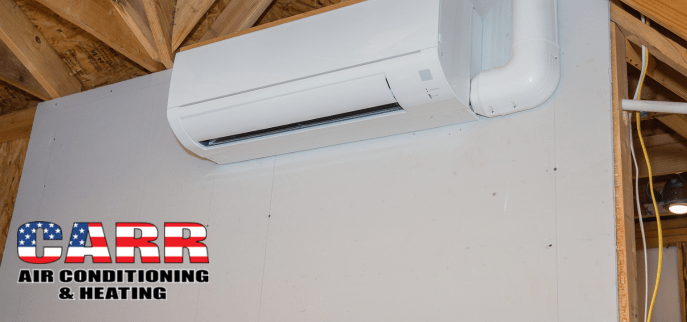
    A ductless AC system, also known as a mini-split system, is a type of air conditioning that does not require ductwork to distribute cooled air throughout your home. Instead, it uses an outdoor unit connected to one or more indoor units via a small conduit that houses the power cable, refrigerant tubing, and a condensate drain.

    Key Components of a Ductless AC System

    1. Outdoor Unit: This component contains the compressor and condenser. It is typically installed outside the home and connects to the indoor units.
    2. Indoor Unit: These units are mounted on walls or ceilings in the rooms you want to cool. Each unit has its own thermostat, allowing for individual temperature control.
    3. Refrigerant Lines: These lines run between the indoor and outdoor units, carrying refrigerant that cools the air.

    How a Ductless AC System Works

    A ductless AC system operates similarly to a traditional central air conditioning system but without the need for ducts. Here’s a step-by-step look at how it works:

    1. Refrigerant Absorbs Heat: The refrigerant in the indoor unit absorbs heat from the room, cooling the air.
    2. Heat is Transferred Outside: The refrigerant carrying the absorbed heat is pumped to the outdoor unit, where the heat is released.
    3. Cooled Air is Recirculated: The cooled refrigerant is cycled back to the indoor unit, where the process repeats, continuously cooling the room.

    Benefits of a Ductless AC System

    Ductless AC systems offer several advantages over traditional air conditioning systems, making them an attractive option for many homeowners.

    1. Energy Efficiency

    Ductless systems are highly energy-efficient. Because they deliver air directly into different zones, there is no energy loss through ducts, which can account for up to 30% of energy consumption in central air systems.

    • Zone Cooling: With separate thermostats for each indoor unit, you can cool only the rooms you use, saving energy and reducing utility bills.
    • Inverter Technology: Many ductless systems use inverter technology, which adjusts the compressor speed based on cooling needs, resulting in lower energy consumption.

    2. Easy Installation

    Installing a ductless AC system is quicker than installing a traditional HVAC system.

    • No Ductwork Needed: The absence of ducts means less labor and time required for installation, making it ideal for older homes or buildings without existing ductwork.
    • Flexible Placement: The small size and versatility of the indoor units allow for flexible placement in different rooms, including those with limited space.

    3. Improved Indoor Air Quality

    Ductless systems can improve indoor air quality by reducing the dust, allergens, and contaminants that often accumulate in ductwork.

    • Advanced Filtration: Many ductless units come with advanced filtration systems that capture and remove pollutants from the air, contributing to a healthier indoor environment.

    4. Quiet Operation

    Ductless AC systems are known for their quiet operation, making them suitable for bedrooms, home offices, and living areas where noise can be disruptive.

    • Silent Indoor Units: The indoor units operate quietly, providing a comfortable and peaceful environment.

    Maintenance and Repair of Ductless AC Systems

    Like all HVAC systems, ductless AC systems require regular maintenance and occasional repairs to operate efficiently and extend their lifespan. At Carr AC, we offer comprehensive AC maintenance and repair services to keep your ductless system in top condition.

    Regular Maintenance Tips

    1. Clean the Filters: Clean or replace the filters every few months to maintain airflow and efficiency.
    2. Inspect the Outdoor Unit: Keep the outdoor unit free of debris, leaves, and obstructions to ensure proper operation.
    3. Check the Refrigerant Levels: Ensure that the refrigerant levels are adequate to avoid system strain and inefficiency.

    When to Call for AC Repair

    • Reduced Cooling Performance: If your ductless system isn’t cooling as effectively as before, it might be time for a professional inspection.
    • Unusual Noises: Strange noises from the indoor or outdoor units can indicate a problem that needs professional attention.
    • Leaking or Moisture: Any signs of leaking or excess moisture around the units should be addressed immediately to prevent further damage.

    Contact Carr AC for AC repair and maintenance in Tampa Bay

    A ductless AC system can be an excellent choice for homeowners looking for energy-efficient, flexible, and effective cooling solutions. Understanding how these systems work and the benefits they offer can help you make an informed decision. At Carr AC, we are dedicated to providing expert AC repair and maintenance services to ensure your ductless system operates at its best. Contact us today to learn more about our services and how we can help you achieve the perfect indoor climate with a ductless AC system.

    Contact Carr AC for new AC installation today. 

  • Should You Shade Your AC Unit?

    Should You Shade Your AC Unit?

    Does it matter if you shade your AC unit? 

    In the relentless heat of a Florida summer, your air conditioning (AC) unit works overtime to keep your home cool and comfortable. Given the intense sun exposure, many homeowners wonder if shading their outdoor AC unit could enhance its efficiency and longevity.

    While the idea may seem straightforward, the decision to shade your AC unit involves several considerations. This post explores whether adding shade to an AC unit is beneficial and how to do it effectively.

    Understanding the Impact of Sun Exposure on AC Units

    The core function of an AC unit involves expelling heat from inside your home to the outdoors. When the outdoor unit, typically known as the condenser, is exposed to direct sunlight, it absorbs additional heat, potentially increasing the temperature of the air around it.

    In theory, if the air around the condenser is hotter, the unit must work harder to cool it down, which could strain the system and reduce its efficiency.

    Benefits of Shading Your AC Unit

    1. Improved Efficiency: Research suggests that shading your AC unit can improve its efficiency. A study by the U.S. Department of Energy found that shading an AC unit could increase its efficiency by up to 10%. This improvement is primarily because the unit doesn’t have to work as hard to cool the air if it’s already at a lower temperature due to the shade.
    2. Extended Lifespan: Less strain on the unit equates to less wear and tear over time. Consequently, properly shading your unit might help extend its lifespan, delaying the need for costly repairs or replacement.
    3. Energy Savings: An efficient AC unit consumes less electricity. By shading your unit and improving its efficiency, you can enjoy lower energy bills, which is especially significant during the hot months in Florida when AC usage is at its peak.

    How to Shade Your AC Unit Properly

    While shading your AC unit can have benefits, it must be done correctly to avoid restricting airflow around the condenser, which could lead to overheating and reduced efficiency. Here are some tips on how to effectively provide shade for your AC unit:

    1. Maintain Adequate Clearance: Ensure that any shade structure provides at least 3-5 feet of clearance around the unit to avoid impeding airflow. Poor airflow can cause the condenser to overheat, negating any benefits that shading might offer.
    2. Use Natural Shade: The best type of shade is natural shade provided by trees or shrubs. Not only do they shade your AC unit, but they also improve the overall aesthetics of your outdoor space and help cool the air before it reaches your condenser. Remember to keep plants trimmed and away from the mechanics of the unit.
    3. Install an Awning or Canopy: If natural shading isn’t an option, consider installing an awning or a canopy over the unit. Ensure it’s high enough to allow heat to escape and not trap humidity around the unit.
    4. Consider the Position of the Sun: When planning shade, consider the path of the sun throughout the day. The most critical times to provide shade for your AC unit are during the peak heat hours from late morning to late afternoon.

    Things to Avoid

    • Do not use enclosing fences or walls: These can severely restrict airflow and cause the unit to overheat.
    • Avoid placing the AC unit under a deck or completely enclosed space: While this might seem like effective shading, it can significantly restrict airflow and lead to moisture issues.

    Contact Carr AC for AC repair and maintenance in Tampa Bay

    Shading your AC unit in Florida can offer several benefits, including improved efficiency, lower energy bills, and extended equipment life. However, it’s crucial to shade the unit correctly to avoid reducing its effectiveness. By following the guidelines mentioned above, you can ensure that your AC unit is shaded effectively, providing you with optimal cooling and energy efficiency.

    At Carr AC, we specialize in optimizing your AC system for the Florida climate. Contact us today for more advice on how to protect and enhance the performance of your AC unit or for any other AC needs you might have.

    Call Carr AC Today — Get Your New AC Installed Fast!

  • The Ultimate Guide to Replacing Your Air Conditioner

    The Ultimate Guide to Replacing Your Air Conditioner

    Looking to replace your AC unit? Here’s a few helpful tips.

    Replacing an air conditioner (AC) can seem daunting, but it doesn’t have to be. Whether you’re dealing with an old, inefficient unit or one that’s simply not working, this guide will walk you through the essential steps and considerations for a successful AC replacement.

    From understanding when to replace your air conditioner to choosing the right AC system and ensuring proper installation, we’ve got you covered.

    When to Replace Your Air Conditioner

    Knowing when to replace your air conditioner is crucial. Here are some signs that it’s time for an AC replacement:

    1. Age of the Unit: Most HVAC systems last between 10-15 years. If yours is older, it might be time to consider a new one.
    2. Frequent Repairs: If your system is constantly breaking down, it might be more cost-effective to invest in a new unit.
    3. High Energy Bills: Older units tend to lead to higher energy bills. A new AC system can save you money in the long run.
    4. Inconsistent Cooling: If your system keeps different rooms at different temperatures, your AC system might be failing.
    5. Excessive Noise: Unusual noises can indicate that your AC unit is on its last legs.

    Choosing the Right AC System

    Selecting the right AC system is essential for energy efficiency and comfort. Here are some factors to consider:

    Types of AC Systems

    1. Central Air Conditioners: Ideal for cooling entire homes, they use ducts to distribute cool air.
    2. Ductless Mini-Splits: Great for homes without ductwork, offering flexibility to cool specific areas.
    3. Window Units: Best for cooling individual rooms but less efficient for whole-house cooling.
    4. Portable Air Conditioners: Flexible and movable but typically less efficient than other types.

    Energy Efficiency

    Look for units with a high Seasonal Energy Efficiency Ratio (SEER). The higher the SEER rating, the more efficient the unit, which can significantly reduce your energy bill.

    Size of the Unit

    An appropriately sized unit is crucial. A unit that’s not the correct size won’t cool your home effectively, while one that’s too large will cycle on and off too frequently, wasting energy and shortening its lifespan.

    Features to Consider

    1. Programmable Thermostats: These can help you save on energy costs by allowing you to set cooling schedules.
    2. Variable Speed Motors: Provide better temperature control and energy efficiency.
    3. Noise Levels: Look for units with lower decibel levels for quieter operation.

    AC Installation: What to Expect

    Proper AC installation is key to ensuring your new unit operates efficiently. Here’s what you should expect:

    1. Professional Assessment: A technician will assess your home to determine the best unit size and type.
    2. Ductwork Inspection: If you have existing ducts, they will be inspected for leaks or damage.
    3. Installation Process: This process begins with removing the old unit, setting up the new one, and connecting it to your home’s ductwork and electrical system.
    4. Testing: After installation, the system will be tested to ensure it’s working correctly.

    Maintaining Your New AC System

    Once your new AC unit is installed, regular maintenance is crucial to keep it running efficiently and extend its lifespan. Here are some maintenance tips:

    1. Regular Filter Changes: Replace filters every 1-3 months to ensure proper airflow and efficiency.
    2. Annual Tune-Ups: Schedule annual maintenance with a professional to check for any issues and keep your system in top shape.
    3. Keep the Unit Clean: Ensure the area around your outdoor unit is free from debris and vegetation.
    4. Check the Thermostat: Ensure your thermostat is functioning correctly and set to the right temperature.

    AC Replacement vs. AC Repair

    Sometimes it’s challenging to decide between repairing your existing unit or opting for an AC replacement. Here are some considerations:

    1. Cost of Repairs: If repairs are becoming frequent and costly, replacement might be a more economical choice.
    2. Age of the Unit: Older units are less efficient and more likely to need repairs.
    3. Energy Efficiency: Newer units are more energy-efficient and can save you money on your energy bill.
    4. Home Comfort: If your current unit is struggling to keep your home comfortable, a new system might be the solution.

    Benefits of Replacing Your Air Conditioner

    Replacing your air conditioner comes with several benefits:

    1. Improved Energy Efficiency: New units are designed to be more energy-efficient, reducing your energy bills.
    2. Enhanced Comfort: Modern systems provide better cooling and humidity control.
    3. Reliability: A new unit is less likely to break down, providing peace of mind.
    4. Increased Home Value: A new, efficient AC system can increase your home’s value.
    5. Environmental Impact: Newer units are better for the environment due to improved efficiency and less harmful refrigerants.

    Common Questions About AC Replacement

    How Much Does It Cost to Replace an Air Conditioner?

    The cost of replacing an air conditioner varies based on the type of unit, the size of your home, and the complexity of the installation. On average, homeowners can expect to pay between $3,000 and $7,000 for a new central air conditioning unit, including installation.

    How Long Does the Installation Process Take?

    The installation process typically takes one to two days. However, this can vary depending on the complexity of the job and whether any additional work, such as ductwork repairs, is needed.

    Can I Replace My AC Unit Myself?

    Replacing an AC unit is a complex task that requires professional expertise. It’s not recommended to attempt this as a DIY project due to the technical and safety aspects involved.

    How Can I Improve My AC System’s Efficiency?

    1. Regular Maintenance: Keep up with regular maintenance and filter changes.
    2. Seal Leaks: Ensure your home is properly sealed to prevent cool air from escaping.
    3. Upgrade Thermostats: Use programmable or smart thermostats to optimize cooling schedules.
    4. Insulate: Proper insulation helps maintain cool temperatures inside your home.

    What Should I Look for in an HVAC Contractor?

    1. Experience and Reputation: Look for contractors with good reviews and extensive experience.
    2. Licensing and Insurance: Ensure they are licensed and insured.
    3. Detailed Quotes: Get detailed quotes to understand what’s included in the price.
    4. References: Ask for references to gauge previous customer satisfaction.

    Contact Carr AC for New A Installation in Tampa Bay

    Replacing your air conditioner can be a significant investment, but it’s one that can greatly improve your home’s comfort, energy efficiency, and overall value. By understanding when to replace your AC, choosing the right system, ensuring proper installation, and maintaining your unit, you can enjoy a cool, comfortable home for years to come.

    Whether you’re dealing with frequent AC repairs or looking to reduce your energy bill, a new air conditioning unit might be the solution you need.

    If you have any questions or need assistance with your AC replacement, don’t hesitate to contact a professional HVAC contractor. They can provide expert guidance and ensure your new system is installed correctly and efficiently.

    Contact Carr AC for new AC installation today.

  • Prolong the Life of Your Equipment with an AC Tuneup

    Prolong the Life of Your Equipment with an AC Tuneup

    How to keep your AC working well this summer.

    As summer approaches, ensuring that your air conditioning system is in top shape becomes a priority. An AC tuneup is not just a seasonal ritual; it’s a critical step in maintaining your heating and cooling system. Regular maintenance can help you avoid costly AC repairs and keep your system running efficiently throughout the year.

    In this guide, we’ll explore the importance of an AC tune-up, what it involves, and how it can save you money in the long run.

    Why AC Tune-Ups Are Essential

    Your air conditioning system is a complex machine with many moving parts that need to work together seamlessly. Over time, these parts can wear out or become less efficient. An AC tune-up ensures that all components are properly maintained and functioning optimally.

    This not only extends the life of your equipment but also improves the efficiency of your heating and cooling system.

    Key Benefits of Regular AC Tune-Ups

    1. Increased Efficiency: Regular maintenance visits help keep your AC system running smoothly, which can significantly reduce your energy costs.
    2. Longer Lifespan: Proper maintenance can add years to the life of your air conditioning system.
    3. Improved Air Quality: An annual AC tune helps ensure that your air filter and condenser coil are clean, improving the air quality in your home.
    4. Prevention of Breakdowns: Regular AC maintenance can identify and fix small issues before they become major problems, preventing unexpected breakdowns.
    5. Savings on Utility Bills: An efficient AC working system uses less energy, which can lead to lower utility bills.

    What Happens During an AC Tune-Up?

    An AC tune-up involves a thorough inspection and servicing of your air conditioning system.

    Here’s what you can typically expect during a maintenance visit:

    1. Inspection and Cleaning

    • Air Filter: The technician will check and change the air filter if necessary. A clean air filter is crucial for maintaining good airflow and reducing strain on the system.
    • Condenser Coil: Cleaning the condenser coil helps improve efficiency and prevent overheating.
    • Electrical Connections: Ensuring all electrical connections are secure and working properly is vital for safety and efficiency.

    2. Checking System Performance

    • Thermostat Calibration: Make sure your thermostat is calibrated correctly to ensure the system is operating at the right temperature.
    • Refrigerant Levels: Checking and adjusting refrigerant levels to maintain cooling efficiency.
    • Moving Parts: Lubricate all moving parts to reduce friction and wear.

    3. Testing and Adjustments

    • System Running Tests: The technician will run the system to check for any unusual noises or issues.
    • Airflow Measurements: Ensuring that the airflow is optimal for the system’s capacity.
    • Ductwork Inspection: Checking for leaks or blockages in the ductwork that could affect performance.

    How Regular Maintenance Saves You Money

    Investing in regular AC maintenance might seem like an additional expense, but it can save you money in several ways:

    1. Reduced Energy Costs

    An air conditioning system that is not properly maintained has to work harder to cool your home, leading to higher energy costs. Regular tune-ups ensure that your system is running efficiently, which can significantly reduce your utility bills.

    2. Fewer Repairs

    By catching potential problems early, regular maintenance can help you avoid the high costs associated with major AC repairs. Small fixes and adjustments during a maintenance visit can prevent larger, more expensive issues down the line.

    3. Longevity of the System

    Proper maintenance extends the lifespan of your HVAC system. This means you can delay the need for a new AC installation, saving you the substantial cost of a new system.

    When to Schedule an AC Tune-Up

    It’s best to schedule an air conditioning tune-up in the spring before the summer heat hits. This ensures your air conditioning system is ready to handle the increased demand. However, if you haven’t had a tune-up in a while, it’s never too late to start. Regular AC maintenance should be performed at least once a year.

    Contact Carr AC for AC Maintenance and Repair in Tampa Bay

    An AC tune-up is a small investment that can lead to significant savings and benefits. By properly maintaining your air conditioning system, you can enjoy a more comfortable home, improved air quality, lower utility bills, and peace of mind knowing your system is operating efficiently. Don’t wait until your AC breaks down – schedule a regular AC tune-up and keep your system in top shape all year round.

    By following these guidelines and regularly maintaining your air conditioners, you can ensure that your home remains cool and comfortable, while also saving money on energy costs and avoiding expensive repairs.

    Contact the team at Carr AC to schedule a free consultation for AC maintenance and repair in Tampa Bay today. 

  • Signs You Need Emergency Residential HVAC Repairs

    Signs You Need Emergency Residential HVAC Repairs

    What are a few signs that your HVAC unit needs emergency repairs? 

    Living in Florida, where temperatures often soar, a fully functional HVAC system is not just a convenience—it’s a necessity. Recognizing the signs that your air conditioning system needs urgent repair can mean the difference between a slight discomfort and a significant disruption, especially during the peak of summer. Here are critical signs that indicate the need for emergency HVAC repairs in your home or office.

    1. Unusual Noises

    HVAC systems are designed to operate relatively quietly. If you start hearing unusual noises like grinding, screeching, or banging coming from your HVAC unit, it’s a sign that something is wrong. These sounds could indicate a loose belt, a problem with the motor bearings, or other mechanical issues that can lead to a complete system breakdown if not addressed promptly.

    2. No Cool Air

    At the heart of Florida’s summer, the last thing you want is an air conditioner that blows warm air or no air at all. If your AC is on but not cooling, it could be due to several issues, including low refrigerant levels, a faulty compressor, or a damaged air handler. Immediate professional repair is necessary to get your system back up and running efficiently.

    3. Foul Odors

    If you notice pungent or foul odors coming from your HVAC system, this is a clear indicator that your unit requires urgent attention. A burning smell could suggest an electrical failure, while a musty odor often points to mold within the unit or ductwork. Both scenarios require immediate intervention to prevent potential health hazards and further damage to the system.

    4. Frequent Cycling

    An HVAC system that turns on and off more frequently than usual—known as short cycling—can be a symptom of a severe problem. Short cycling puts extra stress on your air conditioner and can lead to increased wear and tear. This issue could stem from an oversized AC unit, an incorrect thermostat calibration, or a malfunctioning compressor.

    5. High Humidity Levels Inside

    Your HVAC system not only cools your home but also regulates humidity levels. If you start noticing that your indoor environment feels stickier or more humid than usual, it might be a sign that your HVAC system is not functioning correctly. Excessive humidity can promote the growth of mold and mildew, making prompt HVAC repair crucial.

    6. Water Leaks Around the Unit

    Any signs of water leakage around your HVAC unit can be a symptom of a serious problem. While some condensation is normal, excessive water leakage can indicate a clogged condensate drain line or a refrigerant leak. Both issues can lead to significant problems, such as water damage to your home and reduced operational efficiency.

    7. Spike in Energy Bills

    An unexpected increase in your energy bills can often point to inefficiency in your HVAC system’s operation. If your system is working harder than normal to maintain desired temperatures, it can significantly drive up your energy consumption. This inefficiency can stem from a dirty air filter, an issue with the HVAC’s ductwork, or aging components.

    Contact Carr AC for AC Maintenance and Repair Services 

    If you encounter any of these signs, it’s crucial to call for emergency AC repair services. In Florida, where the heat can be relentless, having an efficient, functioning air conditioning system is essential for your comfort and health. Don’t ignore the warning signs—getting timely repairs can save you from more extensive and expensive problems down the line. Trust a professional like Carr AC to handle your AC issues swiftly and efficiently, ensuring your home or office remains a cool, comfortable sanctuary.

    Call today to receive a free quote on AC repair services from your trusted partner, Carr AC. 

  • How Do I Know if My AC is Struggling to Cool?

    How Do I Know if My AC is Struggling to Cool?

    Why is your AC system struggling to cool your house? 

    As summer approaches, a functioning air conditioning unit is crucial for keeping your home cool and comfortable. However, AC systems, like any other mechanical system, can experience issues. Recognizing the signs of an AC struggling to cool can save you time and money, ensuring that small problems don’t escalate into larger, more costly ones.

    This guide will explain the signs that your AC may be struggling, touching upon various aspects such as AC repair, maintenance, and installation, and how to address common AC problems and issues.

    Signs Your AC is Struggling to Cool

    Reduced Airflow: One of the first signs that your AC unit might be struggling is reduced airflow. If cool air is not circulating as powerfully as it should, it could indicate problems with your air ducts or a damaged AC unit.

    Reduced airflow not only affects the efficiency of cooling your home but can also strain your HVAC system, leading to further issues.

    Warm Air Instead of Cool Air: If you’re feeling warm or hot air coming out of your system instead of cold air, it’s a clear sign that your AC is not removing heat from your home effectively. This issue could be due to a dirty evaporator coil, which impairs the system’s ability to absorb heat from the air, or a refrigerant leak, which directly affects the cooling power of your AC.

    Frequent Cycling: An AC system that turns on and off more frequently than normal is likely struggling. This frequent cycling can indicate a malfunction within the cooling system or an incorrectly sized AC unit for your home. Not only does this increase wear and tear on your air conditioning unit, but it also leads to higher energy bills.

    Unusual Noises: Air conditioning units are designed to run relatively quietly. Unusual noises such as grinding, squealing, or clicking are indicative of AC problems, potentially in the fan motor or other internal components. These sounds should not be ignored, as they can signal the need for immediate AC repair or even a full AC installation of a new unit.

    High Humidity Levels: Part of an air conditioner’s job is to remove excess moisture from the air. If you notice your home feels more humid than usual, it could mean your AC is not effectively removing heat and moisture. This issue can lead to discomfort and mold growth, highlighting the importance of AC maintenance.

    Addressing AC Issues

    AC Maintenance: Regular AC maintenance is essential to prevent many of the issues mentioned. This includes cleaning or replacing dirty air filters, ensuring air ducts are clear of obstructions, and having professional inspections to identify and fix potential problems before they worsen.

    AC Repair: If your AC is already showing signs of struggle, prompt AC repair is crucial. Professionals can address a wide range of problems, from a dirty condenser coil to a refrigerant leak, ensuring your system operates efficiently.

    AC Installation: In some cases, particularly with older AC units, repair may not be the most cost-effective option. A new AC installation can provide a more reliable and energy-efficient solution for cooling your home during hot days.

    Contact Carr AC for AC Repair and Maintenance

    Understanding the signs of an AC struggling to cool is essential for maintaining a comfortable and efficient home environment. By recognizing issues early, you can ensure timely AC repair, maintenance, or installation, avoiding the discomfort of a hot, unconditioned home. Regular maintenance is key to preventing AC issues and ensuring your system is ready to keep you cool and comfortable throughout the hot days ahead.

    Stay ahead of AC problems and ensure your home remains a haven from the heat.

    Contact Carr AC for AC repair and maintenance services today. 

  • Seasonal AC Maintenance Checklist for Florida Homeowners

    Seasonal AC Maintenance Checklist for Florida Homeowners

    Seasonal AC maintenance is one of the most important steps Florida homeowners can take to keep their cooling systems running efficiently during the long, hot summer months. With high humidity, heavy AC usage, and year‑round heat, staying ahead of maintenance helps prevent breakdowns, reduce energy bills, and extend the life of your HVAC system.

    Why Seasonal AC Maintenance Matters in Florida

    Florida’s climate puts more strain on AC systems than almost anywhere else in the country. Without proper seasonal AC maintenance, your system can lose efficiency, develop airflow issues, or even fail during peak heat. A simple seasonal checklist helps ensure your AC is ready before temperatures rise.

    1. Schedule Professional AC Maintenance

    Start your seasonal AC maintenance by scheduling a professional inspection. A licensed technician can identify worn parts, refrigerant issues, airflow restrictions, and electrical problems before they turn into expensive repairs. Regular check‑ups also help maintain your system’s warranty.

    For expert service, visit our AC maintenance page.

    2. Replace Air Filters for Better Indoor Air Quality

    Dirty air filters reduce airflow, increase energy usage, and lower indoor air quality. As part of your seasonal AC maintenance routine, replace your filter every 30–45 days during summer. Homes with pets, allergies, or high dust levels may need more frequent changes.

    Learn more about filter replacement here: How Often to Change an AC Filter.

    3. Clean Condenser and Evaporator Coils

    Over time, coils collect dirt and debris that restrict heat transfer. This forces your AC to work harder and increases energy consumption. Cleaning the condenser and evaporator coils during seasonal AC maintenance helps restore efficiency and prevents unnecessary strain on your system.

    According to the U.S. Department of Energy, dirty coils can significantly reduce system performance (source).

    4. Improve Airflow Around Your HVAC System

    Proper airflow is essential for efficient cooling. Make sure nothing blocks your indoor vents or outdoor condenser unit. Trim bushes, remove debris, and keep at least two feet of clearance around the outdoor system. Inside your home, avoid placing furniture over vents or returns.

    5. Follow Department of Energy Recommendations

    The Department of Energy recommends several steps to improve HVAC efficiency, including sealing ductwork, using programmable thermostats, and maintaining proper insulation. Incorporating these tips into your seasonal AC maintenance routine can reduce energy waste and lower utility bills.

    6. Perform Regular System Check‑Ups

    Seasonal AC maintenance isn’t just a once‑a‑year task. Keep an eye on unusual noises, weak airflow, inconsistent temperatures, or rising energy bills. These signs may indicate developing issues that should be addressed before they become major problems.

    7. Use Home Improvement Resources for DIY Care

    Many home improvement stores offer HVAC cleaning tools, coil cleaners, filters, and maintenance guides. While professional service is essential, homeowners can handle simple seasonal AC maintenance tasks like filter changes and clearing debris around the outdoor unit.

    Why Seasonal AC Maintenance Improves Efficiency

    A well‑maintained AC system cools your home faster, uses less energy, and experiences fewer breakdowns. Seasonal AC maintenance also improves indoor air quality, reduces humidity, and helps your system last longer — saving you money in the long run.

    Schedule Seasonal AC Maintenance with Carr Air Conditioning

    Seasonal AC maintenance is essential for Florida homeowners who want reliable cooling throughout the year. By following this checklist and scheduling professional service, you can enjoy better comfort, improved efficiency, and fewer unexpected repairs.

    Carr Air Conditioning provides expert AC repair, AC installation, and AC maintenance throughout Clearwater, Dunedin, Palm Harbor, and surrounding areas.

    Call us today at (727) 447‑7212 to schedule your seasonal AC maintenance and keep your home cool all summer long.

  • What is the Best Temperature to Keep Your Heater in Winter?

    What is the Best Temperature to Keep Your Heater in Winter?

    Winter is here, so what is the best temperature to keep inside your home?

    As winter’s frosty embrace tightens its grip, the desire for the ideal indoor temperature becomes a common challenge for homeowners. Determining the best temperature for your heater in winter is a detailed decision influenced by factors such as personal comfort, energy efficiency goals, and overall well-being. Today, we will delve into the considerations and recommendations surrounding the best temperature to keep your heater warm during the chilly winter months.

    Comfort and Health: The 68-72 Degree Sweet Spot

    Experts generally advise maintaining a thermostat setting between 68 and 72 degrees Fahrenheit while you’re at home and active. This temperature range strikes a balance between comfort and energy efficiency. It provides a cozy environment for most individuals, preventing the discomfort associated with a winter cold while ensuring a reasonable energy consumption level.

    This sweet spot is not arbitrary; it considers both physical comfort and the potential financial burden of excessive heating. Keeping your indoor space within this range supports a warm and inviting atmosphere, enhancing your overall well-being during the colder months.

    Energy Efficiency

    While the pursuit of comfort is crucial, it’s equally important to be mindful of energy efficiency to prevent skyrocketing heating costs. Each degree above the recommended range can significantly impact your energy consumption and utility bills. By adhering to the 68–72-degree guideline, you strike a delicate balance, ensuring a warm home without compromising your energy consumption and bills.

    Programmable Thermostats: Precision and Efficiency

    Enter the programmable thermostat, a game-changer in the quest for an optimal indoor temperature. These smart devices allow you to schedule temperature adjustments based on your daily routine. For instance, you can program the thermostat to lower the temperature when the house is empty or during sleeping hours and increase it before waking up or returning home.

    This level of precision enhances both comfort and energy efficiency. You get to enjoy warmth when you need it most, and the thermostat automatically adjusts to conserve energy when heating is less critical.

    Nighttime Settings: Sweet Dreams and Energy Savings

    Nighttime offers an opportunity for additional energy savings. Many people find lower temperatures conducive to sleep, and adjusting the thermostat accordingly can be beneficial. A nighttime setting of around 60–65 degrees strikes a balance between comfort and conservation, aligning with the body’s natural tendency to require less warmth during rest.

    Occupancy and Zoning: Tailoring Heat to Need

    For homes with multiple zones equipped with individual thermostats, consider leveraging occupancy and zoning strategies. Adjust temperatures based on room usage, keeping unused spaces cooler and directing heat to occupied areas. This targeted approach optimizes energy use, avoiding unnecessary heating in unoccupied rooms.

    Insulation and Sealing

    Regardless of the chosen temperature setting, the efficiency of your heating system hinges on proper insulation and sealing. Ensure that doors and windows are tightly sealed and that your home is adequately insulated to retain the warmth generated by your heater. This proactive step minimizes energy waste, promoting a consistently warm indoor environment.

    Contact Carr AC for Heater Repair, Maintenance, and Installation Services

    Determining the best temperature for your heater in winter involves a thoughtful blend of personal comfort and energy efficiency. The 68–72-degree Fahrenheit range stands out as a well-researched and recommended guideline, providing a comfortable living environment while keeping energy costs in check. Integrating programmable thermostats, adjusting temperatures during the night, and implementing occupancy-based zoning strategies further refine this balance.

    Remember, the goal is to create a warm and inviting home that aligns with your lifestyle while maintaining a consciousness of energy consumption. Regular heating system maintenance, coupled with proper insulation and sealing, contributes to an energy-efficient home that remains comfortable throughout the winter season. By adopting these practices, you can navigate winter with confidence, striking the right balance for a warm and cozy indoor space.

    If your heating or AC system needs repairs or maintenance, Contact Carr AC for fast and efficient services.

  • How to Keep AC Drain Lines From Getting Clogged

    How to Keep AC Drain Lines From Getting Clogged

    How to prevent AC drain lines from clogging.

    Air conditioning units are a lifesaver during the peak of summer. However, just like any other appliance, AC units need regular maintenance to function effectively. One common problem that can affect air conditioners is a clogged AC drain line. This issue with your air conditioner can happen over time for several reasons.

    Understanding the AC Drain Line

    The air conditioner drain line, which is also called the condensate drain, is a crucial component of your air conditioning unit. It directs the water created during the cooling process out of your home. However, the damp environment in the drain line is an ideal breeding ground for mold and algae, which can eventually lead to a clogged AC drain line.

    Why Does a Drain Line Get Clogged?

    An AC drain line gets clogged mainly due to the accumulation of dirt, mold, algae, and other debris over time. Your air conditioner doesn’t only cool the indoor air; it also dehumidifies it, which produces condensation. This condensation drips down from the evaporator coil into a condensate pan and then exits your home through the AC drain line.

    Regular AC Maintenance: The First Step

    Regular AC maintenance is crucial to preventing a clogged AC drain line. Part of the routine maintenance should include checking the AC filter and replacing it as required. A clean filter will reduce dust and debris, minimizing the chances of your drain line getting clogged.

    Recognizing the signs of a clogged AC drain line is crucial to preventing serious damage to your AC system and your home.

    Here are some key symptoms to watch out for:

    Water Leaks

    One of the most common signs of a clogged AC drain line is water leaking from your air conditioning unit. You might notice pools of water around your indoor unit or water stains on the surrounding walls or ceiling.

    Increased Humidity

    If the drain pipe is clogged, your AC unit can’t effectively remove moisture from the air, resulting in higher humidity levels inside your home.

    Unpleasant Smells

    Mold, mildew, and stagnant water in a clogged drain line can produce musty or rotten egg-like odors.

    AC System Shuts Down

    Some modern AC systems will automatically shut down if the drain pan overflows.

    Visible Mold

    A clogged drain line can create an environment conducive to mold growth. You might notice mold around the air vents or the AC unit.

    Reduced AC Performance

    The unit might struggle to cool your home or run in short, frequent cycles.

    If you notice any of these symptoms, it’s best to call a professional immediately to inspect your AC unit and clear the drain line if necessary.

    Cleaning the AC Drain Line

    A crucial aspect of maintaining your air conditioning system is keeping the AC drain line clean. This task involves using a wet-dry vacuum to suck out any standing water and debris in the PVC pipe. Regularly pouring a cup of vinegar or warm water down the drain line can help prevent clogs and mold growth.

    Install a Drain Pan and Drain Line Overflow Protection

    Installing a drain pan under the indoor unit can prevent water damage if your AC drain line remains clogged. A drain pan overflow shutoff switch can also automatically turn off your AC system if the drain pan fills up, preventing further water damage.

    Clearing a Clogged AC Drain Line

    Despite your best efforts, you may find that your AC drain line is still clogged. You can try using a wet-dry vacuum to unclog the drain line. If this doesn’t work, it’s time to call in the professionals.

    Why Professional AC Repair Services Matter

    A professional AC repair company has the equipment to effectively clear clogged AC drain lines. They can also inspect your entire AC system, including the evaporator coil and other components, to ensure everything is functioning as it should. Besides AC repairs, they also offer AC installations and regular AC maintenance services, which can help prevent issues like clogged AC drain lines in the future.

    AC Drain Line Clogged? Reach Out to Carr AC Today!

    Carr AC offers a full range of services, including AC repairs, AC installations, and regular AC maintenance, to ensure your air conditioner works efficiently throughout the summer. Our experts have the skills and experience to tackle any issue, including a clogged AC drain line.

    Discover What Carr AC Can Do for You — Call Us Today!

  • AC Not Working after a Power Outage?

    AC Not Working after a Power Outage?

    Why is your AC not working after a power outage?

    A power outage isn’t only inconvenient, but it can also impact your air conditioning system. Your air conditioner may even struggle to come back on once power is restored to your home. Following a few troubleshooting tips can help you take care of this problem if your AC is not working after a power outage. Reaching out to an AC repair company is also recommended if you are still experiencing problems with your system.

    Here are some tips to remember if your AC isn’t working after a power outage:

    Turn Off Your Air Conditioner During a Power Outage

    The first step is to always turn off your air conditioner if you experience a power outage. Turning off your system will help protect your AC unit and the internal circuitry from potential power surges once the electricity is restored. Power surges can damage your air conditioning system and lead to costly repairs or replacements.

    Check the Circuit Breaker

    Once the power is back on, the first thing to check is the circuit breaker. Power outages and lightning strikes can cause the breaker to trip, which will prevent your AC from functioning. Locate the breaker panel and find the switch dedicated to your air conditioning system.

    If it has tripped, find the circuit and flip the switch off and then back on. If the breaker still continues to trip, it may indicate a bigger issue that requires professional attention.

    Give your AC Unit Some Time to Reset

    After restoring power to your air conditioner, you will need to give it about 30 minutes to reset itself. This extra time will allow the internal components to stabilize and ensure that the system is ready to function properly. If you are unable to turn on your air conditioner after a power outage after this time, there may be a more significant issue at hand.

    Turn the Thermostat Back On

    Once you’ve given your AC unit time to reset, turn the thermostat back on to its desired temperature. Double-check to see that the thermostat is set to “cool” and make sure the temperature is set lower than the current room temperature. If the AC still does not turn on, try replacing the batteries in the thermostat, as power outages can sometimes drain them.

    Inspect the Power Line and Outdoor Unit

    If your AC is still not working after a power outage, it’s important to inspect the power line and outdoor unit for any visible damage. High winds, falling branches, and lightning strikes can cause damage to your air conditioning system. If you notice any damage or disconnected power lines, do not attempt to fix the issue yourself. You should always contact a professional HVAC company to assess and repair the damage.

    Consider the Age and Condition of your AC System to Restart Your Air conditioner Unit

    Older units may be more susceptible to damage from power surges or outages. Sometimes it can be difficult for an old air conditioner to function normally after a power surge. If your AC system is more than 10–15 years old, you may want to consider investing in a replacement. A new air conditioner will also be much more energy efficient compared to older models.

    Seek Professional Assistance

    If you’ve tried all of the troubleshooting steps mentioned above and your AC is still not working after a power outage, it’s time to call a professional AC repair company. These professionals can diagnose the issue and recommend the best course of action, whether it’s a simple repair or replacement. Regular AC maintenance can also help prevent future issues and keep your air conditioner in optimal working condition.

    Ultimately, dealing with an AC not working after a power outage can be frustrating, but understanding the possible causes and solutions can help you address this issue. You can make sure that your home stays comfortable even in the most challenging circumstances by taking the time to troubleshoot and seeking professional assistance if necessary.

    AC Not Working After a Power Outage? Give Carr AC a Call Today!

    Carr Air Conditioner offers installation and air conditioner repair services for customers in Pinellas County. Our team also specializes in vent and air duct cleaning, pool heat pump repair, dryer vent cleaning, ice machine maintenance, and other services. Delivering the best services to meet the needs of each customer is always a priority.

    Feel free to contact Carr AC to learn more about using our services!

    We also serve:

    Dunedin

    Palm Harbor

    Oldsmar