
Why Your Florida Home Feels Cold Even When the Heat Is On
It’s a common call we get during cooler weather in Clearwater, Dunedin, and across Pinellas County:
“The heat is running, but the house still feels cold.”
When that happens, most homeowners assume the heating system isn’t working properly. In reality, the issue is often not the heater itself. Florida homes are designed very differently than homes in colder climates, and winter conditions tend to expose problems that stay hidden the rest of the year.
Why This Happens So Often in Florida Homes
Most homes in Pinellas County are built with cooling as the top priority. Open layouts, lighter insulation, and duct systems designed for air conditioning work great in summer, but they can create comfort challenges in winter.
When temperatures drop, those design choices can make it harder to keep warm air evenly distributed throughout the home. As a result, some rooms feel chilly even though the system is running and the thermostat looks right.
The Thermostat Says It’s Warm — So Why Doesn’t It Feel That Way?
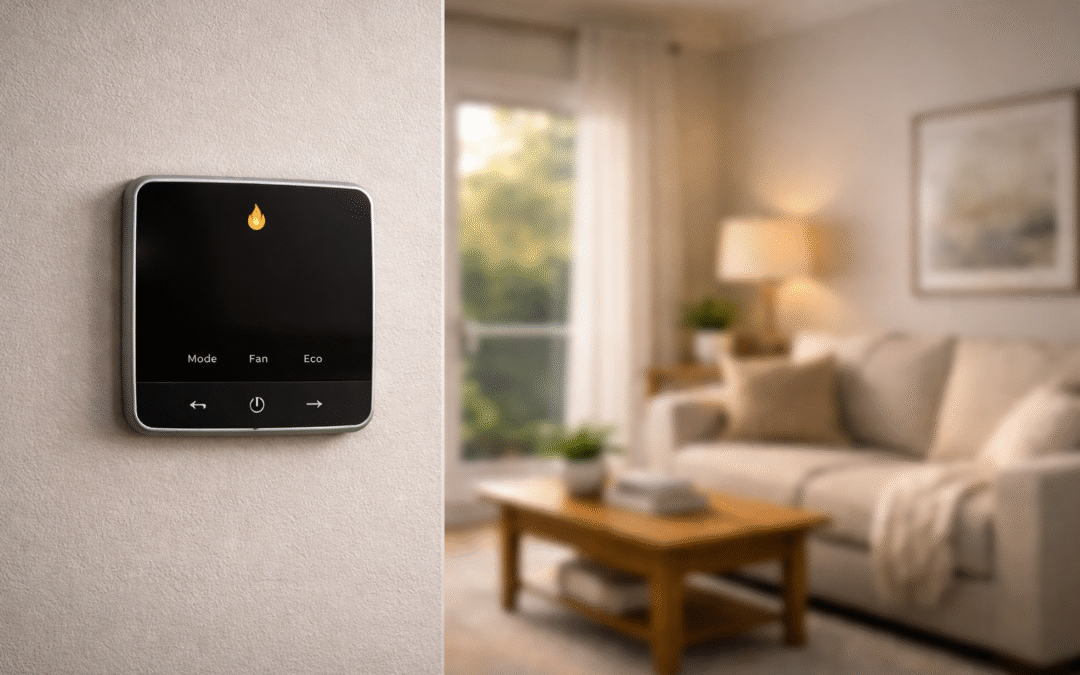
The thermostat measures temperature in a single location, not throughout your entire home. If it’s placed in a warmer area, it may shut the system off even though other rooms never reached a comfortable temperature.
Older thermostats can also be inaccurate or slow to respond, which adds to the confusion. Homeowners may keep adjusting the setting without realizing the thermostat isn’t reading conditions correctly.
Uneven Heating Is Usually an Airflow Issue
One of the most common reasons a Florida home feels cold while the heat is on is poor airflow.
Warm air might be leaving the system, but it isn’t always reaching every room evenly. This can happen when ducts are undersized, poorly routed, or leaking air before it reaches the living space. In winter, these problems become much more noticeable.
You might feel comfortable in living areas while bedrooms or back rooms stay noticeably colder.
Ductwork Problems That Reduce Winter Comfort
Duct issues are extremely common in homes throughout Clearwater and Dunedin, especially in older properties or homes that have been renovated over time.
Common duct-related issues include:
- Leaks that allow warm air to escape
- Ducts running through unconditioned spaces
- Poorly balanced systems that favor some rooms over others
Even small duct leaks can make a big difference in winter comfort, because the system is already working with milder heat output.
Heat Pumps Can Be Working Correctly — and Still Feel “Cool”
Many Florida homes use heat pumps, which heat spaces differently than traditional furnaces. Instead of producing bursts of hot air, heat pumps provide a steady, moderate warmth.
That air may feel cooler when it reaches vents, even though it’s warming the home. This often leads homeowners to think the system isn’t working, when in fact it’s operating normally.
The key difference is that furnaces create hot air quickly, while heat pumps focus on maintaining steady comfort over time.
Closed Vents and Blocked Returns Matter More in Winter
During summer, blocked vents or closed doors might not cause noticeable problems. In winter, airflow restrictions can dramatically reduce comfort.
Closed supply vents, blocked return vents, or furniture placed over registers prevent warm air from circulating properly. In Florida homes with open layouts, these small changes can have an outsized impact when heating demand increases.
Insulation Plays a Bigger Role Than Most People Realize
Because Florida homes don’t rely heavily on heating, insulation often gets overlooked. However, poor attic insulation or gaps in sealing allow warm air to escape quickly, especially during cold nights.
When heat leaves faster than it’s replaced, the system runs longer but the home never quite feels comfortable. This creates the impression of a heating problem, even though the equipment itself may be functioning properly.
When It’s More Than Just Comfort
While comfort issues are common, certain signs point to real system problems that should be addressed.
If your home stays cold despite long system run times, if some rooms never warm up at all, or if the system cycles on and off frequently, it’s worth having the system evaluated.
These issues often point to airflow imbalances, duct leaks, or control problems rather than a need for replacement.
Why Winter Is a Smart Time to Address Comfort Problems
Winter in Pinellas County is one of the best times to identify and correct airflow and comfort issues. The system isn’t under peak cooling demand, which makes it easier to pinpoint underlying problems.
Addressing these issues now helps ensure:
- Better comfort for the remainder of winter
- Improved system efficiency
- Fewer breakdowns during peak summer months
Homeowners who wait until summer often experience longer wait times and more expensive repairs.
What Homeowners in Clearwater and Dunedin Can Do
If your home feels cold even though the heat is on, the solution usually isn’t turning the thermostat higher. A professional airflow evaluation can often identify simple adjustments that make a noticeable difference.
Improving airflow, balancing ducts, or correcting thermostat placement can restore comfort without major changes to the system.
The Bottom Line
When a Florida home feels cold during winter, it’s rarely just a heating issue. Airflow, ductwork, insulation, and system controls all play a role.
Understanding how these factors interact helps homeowners make smarter decisions and avoid unnecessary frustration during cooler weather.
If comfort has been inconsistent, addressing the root cause now can make your home more enjoyable year-round.